

Figuring out how much is it to paint a car isn’t straightforward—costs swing wildly depending on what you’re after, where you take it, and what condition your vehicle’s in. We’re talking anywhere from $500 for a basic single-stage paint job to $20,000+ for a full restoration with custom work. Let me break down the real numbers so you can make an informed decision.
Table of Contents
What Affects Paint Cost
The price of painting your car hinges on several key factors. Vehicle size matters—painting a compact sedan costs less than a full-size truck or SUV. A larger surface area means more material and labor hours. The current condition of your paint plays a huge role too. If your clear coat is peeling and rust is showing through, that’s serious prep work before any new paint touches the car.
Geographic location impacts pricing significantly. Urban shops in major cities charge more than rural shops, sometimes double or triple. Your local economy, shop overhead, and competition all factor in. A shop in Los Angeles will quote differently than one in rural Montana, even for identical work.
The paint quality you choose is another major variable. Cheap single-stage paint might run $300-500, while premium multi-coat systems with custom colors can hit $2,000+ just for materials. Labor rates vary too—experienced painters charge $50-150+ per hour depending on location and reputation.
Types of Paint Jobs Explained
Understanding paint job categories helps you compare quotes accurately. A single-stage paint job is the budget option—paint and clear coat applied in one pass. You’re looking at $500-1,500 total. It’s decent for minor touch-ups or keeping an older car looking presentable, but it won’t turn heads.
A standard multi-coat job runs $1,500-3,500. This includes proper base coat and clear coat application, usually with sanding and buffing between layers. This is what most people get when they want quality work without breaking the bank. The paint lasts longer and looks better than single-stage.
Premium or custom paint jobs cost $3,500-7,000+. These involve specialty colors, metallic or pearl finishes, and meticulous attention to detail. The shop might apply multiple base coats, use exotic pigments, and spend serious time on color matching and blending.
A full restoration paint job means complete stripping, bodywork, and repainting—we’re talking $7,000-20,000+. This is for when you’re doing a frame-off restoration or the car’s paint is completely shot. Every panel gets attention, rust gets addressed, and the final result looks showroom-ready.
DIY vs Professional Painting
Going the DIY route can save serious cash if you’ve got the skills and patience. A basic DIY paint job might cost $200-800 in materials—primer, paint, clear coat, sandpaper, and supplies. But here’s the catch: you need proper equipment. A quality spray gun, air compressor, and safety gear add another $500-1,500 if you don’t already own them.
The real challenge is execution. Professional painters spend years perfecting their technique. Getting smooth, even coverage without drips, sags, or dust nibs is harder than it looks. One mistake means sanding it down and starting over. Most DIYers end up with results that look decent from ten feet away but don’t hold up to close inspection.
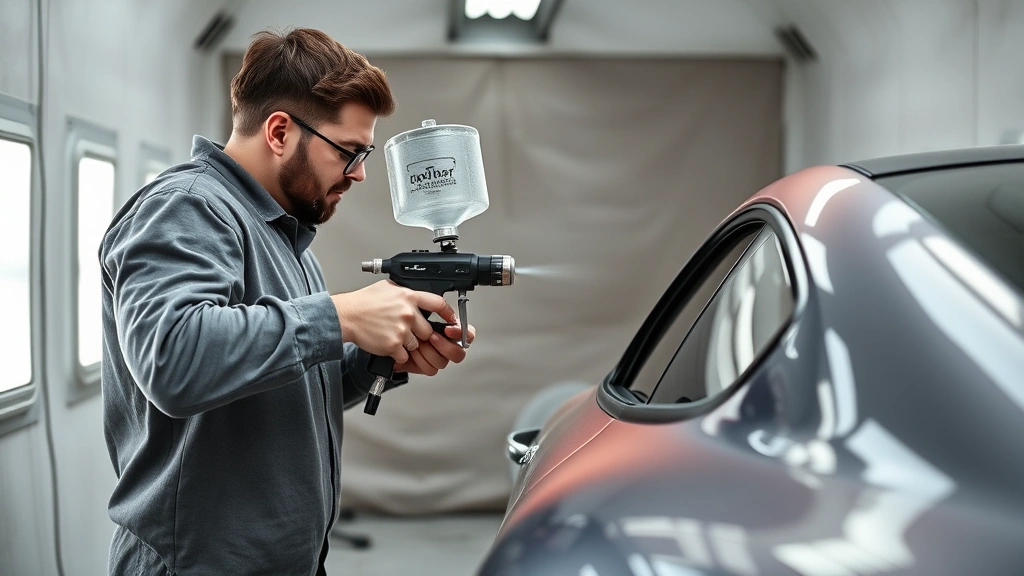
Professional shops have climate-controlled spray booths, proper ventilation systems, and quality equipment that costs tens of thousands of dollars. They also carry insurance and warranty their work. If something goes wrong, you’ve got recourse. With DIY, if your paint job fails in six months, that’s on you.
For most people, professional work makes sense unless you’re comfortable with tools and have done similar projects before. The labor cost buys you expertise, proper equipment, and peace of mind.
Prep Work Matters Most
Here’s what separates a $1,500 paint job from a $5,000 one: prep work. A professional shop will charge $500-2,000+ just for preparation. This includes washing, sanding, filling dents, addressing rust, and priming.
If your car needs significant bodywork—dent removal, panel replacement, rust repair—costs climb fast. A single deep dent might require $300-800 to properly repair before painting. Rust repair can run $1,000+ depending on severity. Some shops quote prep and bodywork separately from painting, so ask for a detailed breakdown.
Sanding is tedious but critical. The shop needs to sand the entire vehicle to bare metal or at least scuff existing paint so new paint adheres properly. This takes time and generates a lot of dust. Proper sanding prevents peeling and ensures longevity.
Don’t skimp on prep. A rushed job with inadequate surface preparation will fail within a year or two. A properly prepped and painted car can last 10+ years if maintained well. The extra prep cost upfront saves you from repainting sooner.
Choosing the Right Shop
Not all paint shops are created equal. Big-box auto repair chains often outsource painting to third-party shops, adding a middleman markup. Specialized paint shops typically offer better quality because it’s their core business.
Check reviews on Google, Yelp, and the Better Business Bureau. Look at before-and-after photos of their work. Ask about their warranty—reputable shops guarantee their work for 3-5 years minimum. If they won’t warranty it, walk away.
Get at least three quotes. Don’t automatically go with the cheapest—that’s often a red flag. The middle-priced quote from a shop with solid reviews is usually the sweet spot. When comparing quotes, make sure they’re quoting the same scope of work. One shop might include dent repair while another doesn’t.
Ask about their process. How many coats do they apply? Do they use a spray booth? What brand of paint? How long is the turnaround? A shop that takes two weeks probably does better work than one promising three days. Good paint work takes time.
Hidden Costs to Watch For
When you get a quote, dig deeper. Some shops charge separately for masking materials, tape, and protective coverings. Others include it. Some charge extra for stripping old paint, which can run $300-500.
Color matching can add $200-400 if you’re trying to match factory paint exactly. Custom colors cost more than standard options. Pearl or metallic finishes add $300-800 to the bill.
Trim removal and reinstallation might be charged separately. If the shop needs to remove bumpers, trim pieces, or emblems to paint properly, that’s labor time. Same with interior trim around windows and doors.
Some shops charge a “shop fee” or “disposal fee” for hazardous paint waste. This is legitimate—paint disposal costs money and shops pass it along. Just make sure it’s reasonable, not a hidden markup.
Ask about the warranty on materials versus labor. Some warranties cover paint failure but not labor if you need a respray. Understanding these details prevents surprises when you pick up your car.
Warranty and Paint Protection
A solid warranty is your safety net. Most quality shops offer 3-5 year warranties against peeling, cracking, or fading under normal conditions. Get the warranty in writing and understand what it covers.
Some shops offer paint protection packages—ceramic coating or clear protective film. These run $300-800 but can extend your paint’s life significantly by protecting against UV damage, bird droppings, and minor scratches. If you’re investing in quality paint work, protection makes sense.
Ceramic coating creates a hard, hydrophobic layer that repels water and contaminants. It makes washing easier and keeps paint looking glossy longer. It’s not required, but for a newer paint job, it’s worth considering.
Clear protective film (PPF) is a physical barrier that prevents rock chips and scratches. It’s popular on the front bumper and hood where damage is most likely. Full-vehicle PPF costs $1,500-3,000, but partial coverage (high-impact areas) runs $300-800.
Ways to Save Without Sacrificing Quality
If budget is tight, consider a partial respray instead of full coverage. Maybe just the hood, fenders, and doors if those are the damaged areas. This cuts costs significantly while still improving appearance.
Timing matters. Many shops offer discounts during slow seasons—winter in cold climates, summer in hot ones. Asking about seasonal promotions can save 10-20%.
Be realistic about color choice. Standard colors cost less than custom mixes. If you’re not married to a specific shade, choosing from the shop’s standard palette saves money and ensures they have the paint in stock.
Do some prep work yourself if you’re handy. Washing and masking off trim can save you $200-400 in labor. Don’t sand—that requires skill—but you can handle basic prep.
Consider a quality single-stage paint if your car isn’t a show vehicle. It costs less and still looks good for daily driving. You’re paying for durability and appearance, not perfection.
Some shops offer warranty programs where you pay a monthly fee for paint protection and maintenance. If you’re worried about future touch-ups, this might offer peace of mind and savings long-term.
Keeping Paint Looking Fresh
Once you’ve invested in a new paint job, protect it. Regular washing every two weeks keeps contaminants from bonding to the clear coat. Use a pH-balanced car wash soap, not dish soap.
Wax or seal your paint every three months. This adds a protective layer and keeps your paint glossy. It’s cheap insurance compared to repainting.
Park in shade when possible. UV rays fade and damage paint over time. A garage is ideal, but even a carport helps.
Address chips and scratches quickly. Small damage can be touched up for $50-100, but if you let it sit, rust develops underneath and repair costs skyrocket. Many touch-up kits are available online for $20-40.
Avoid automatic car washes with brushes if possible. Touchless washes are gentler on fresh paint. Hand washing is best, but if you use a machine, go touchless.
Frequently Asked Questions
How long does a car paint job take?
A basic paint job takes 3-5 days if there’s minimal prep work. If the car needs dent repair, rust treatment, or extensive sanding, add 1-2 weeks. Full restoration work can take 4-8 weeks or longer. The shop should give you a timeline when you drop off the car.
Can I paint over existing paint?
Yes, but it’s not ideal. The new paint needs to adhere to something, so the old paint must be sanded to provide “tooth” for adhesion. If the old paint is peeling or cracked, it must be removed first. Most shops recommend sanding to bare metal for the best results, though it costs more.
What’s the difference between single-stage and base/clear coat?
Single-stage combines color and protection in one layer. Base/clear coat uses a colored base layer with a protective clear coat on top. Clear coat provides better UV protection and durability. Most modern cars use base/clear, and it’s the standard for quality paint jobs.
Is matte or flat paint more expensive?
Yes, matte and flat finishes cost 20-30% more than standard gloss. They’re also harder to maintain—they show swirl marks easily and require special wash products. Most people stick with gloss for practicality and cost.
Can I get a warranty on DIY paint?
No. Warranties only come from professional shops. This is another reason to hire a pro—you get recourse if something goes wrong. DIY paint is at your own risk.
What if I’m not happy with the paint job?
If the work doesn’t meet the quoted standard, contact the shop immediately. Most reputable shops will correct issues under warranty. If you have a written agreement and the shop won’t fix problems, you can dispute the charge with your credit card company or pursue small claims court, though this is a last resort.
How much does it cost to paint just one panel?
A single panel (hood, door, fender) costs $300-800 depending on size and complexity. The shop still needs to prep, prime, paint, and blend it with adjacent panels. Blending—feathering the new paint into surrounding panels—adds time and cost but ensures a seamless look.
Does insurance cover paint jobs?
Only if the damage was caused by a covered incident—collision, weather, vandalism. Normal wear and fading aren’t covered. File a claim if your damage qualifies, and your insurance might cover it minus your deductible. Some policies have separate glass and paint coverage options.
Final Thoughts on Car Painting Costs
Knowing how much is it to paint a car means understanding that cost varies wildly based on your specific situation. Budget $500-2,000 for basic work, $2,000-5,000 for quality mid-range jobs, and $5,000+ for premium or restoration work.
Get multiple quotes, ask detailed questions, and don’t rush the decision. A cheap paint job that fails in a year costs more than a quality job upfront. Check out resources like Family Handyman and This Old House for more DIY guidance, and Bob Vila for expert recommendations on professional services.
If you’re tackling other car maintenance, understanding basics like how often to change cabin air filter or how long does it take to charge a car battery helps you maintain your vehicle’s overall condition. A well-maintained car keeps its paint looking better longer.
Take your time, choose a reputable shop, and invest in quality work. Your car will look better, last longer, and hold its value better too.


