
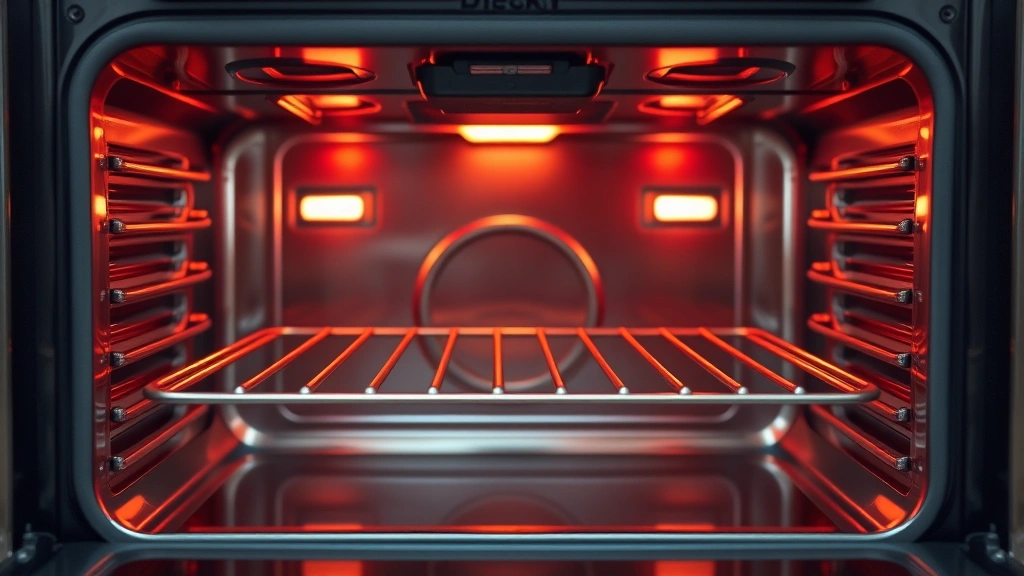
So, how long does it take to preheat an oven? The short answer is usually between 12 to 20 minutes for most home ovens, but the real story is way more interesting than that. Your oven’s preheat time depends on several factors—the type of oven you’ve got, the temperature you’re aiming for, and even how old your appliance is. Let me walk you through everything you need to know to get consistent baking results and stop guessing whether your oven is actually ready.
Table of Contents
Standard Preheat Times
Most standard home ovens need somewhere between 12 and 20 minutes to reach their target temperature. If you’re baking cookies at 350°F, you’re looking at the shorter end of that range—usually around 12 to 15 minutes. Crank it up to 450°F for a pizza or crusty bread, and you might wait closer to 18 to 20 minutes. The higher the temperature, the longer your oven needs to work.
Here’s the thing: manufacturers usually design ovens to hit their target temperature within this window, but that doesn’t mean your kitchen is at that temperature. The air inside the oven reaches the set temperature before the walls, racks, and overall environment stabilize. That’s why serious bakers often add a few extra minutes beyond the preheat indicator light turning off.
Factors That Affect Preheat Speed
Your preheat time isn’t set in stone. Several variables play a role in how quickly your oven gets up to temperature. The ambient temperature in your kitchen matters—preheating on a cold winter morning takes longer than on a warm summer day. If your kitchen is 65°F versus 75°F, that 10-degree difference adds minutes to your preheat time.
The oven’s age and condition also factor in heavily. A brand-new oven with fresh heating elements will preheat faster than a 15-year-old unit where the heating elements have degraded slightly over time. If your oven has thermal insulation damage or a worn gasket around the door, heat escapes during preheating, extending the process.
How often you open the door beforehand matters too. Every time you crack that door open to check on something, you’re letting heat escape, which means your oven has to work harder to reach and maintain the target temperature. Keep the door closed during preheating—I know it’s tempting, but resist.
Gas vs Electric Ovens
Gas and electric ovens behave differently during preheat. Gas ovens typically preheat faster because the flame heats the oven cavity more directly and responsively. You’ll usually get a gas oven to temperature in 10 to 15 minutes. Electric ovens take a bit longer—usually 15 to 20 minutes—because the heating elements need time to reach temperature, and then that heat radiates into the oven space more gradually.
The trade-off is consistency. Electric ovens often maintain more even temperature distribution once they’re preheated, which is why many serious bakers prefer them. Gas ovens heat faster but can have hot spots and cooler zones, especially if the burner isn’t perfectly positioned. If you’re working with temperature-sensitive recipes like macarons or delicate pastries, this matters.
Convection Oven Differences
Convection ovens—the ones with a fan that circulates hot air—preheat faster than conventional ovens. You’re looking at 8 to 12 minutes typically because the moving air transfers heat more efficiently. The fan gets that hot air moving immediately, so the entire cavity reaches the target temperature quicker.
Here’s a pro tip: convection ovens also let you reduce the oven temperature by 25°F compared to conventional recipes. So if a recipe calls for 375°F in a regular oven, use 350°F in your convection oven. The faster heat circulation means your food cooks more evenly and often a bit quicker, so you might need to reduce baking time by 10 to 15 percent as well.
How to Tell When It’s Ready
Don’t rely solely on the preheat indicator light or beep. That light tells you the oven cavity has reached the set temperature, but it doesn’t mean everything inside is evenly heated. The racks, the bottom, the sides—they all need time to stabilize at that temperature.
The best move is to use an oven thermometer. Seriously, grab one of those inexpensive dial or digital thermometers and hang it inside. Place it in the center of the oven where you’ll be baking. Wait for the indicator light to go off, then give it another 5 minutes and check the thermometer. If it matches your set temperature, you’re good to go. This catches ovens that run hot or cold—and many do.

Some ovens are notorious for being off by 25 to 50 degrees. If you’ve ever wondered why your cookies always burn on the edges or your bread doesn’t brown properly, temperature inaccuracy might be the culprit. An oven thermometer is a game-changer for consistent results.
Ways to Speed Up Preheating
If you’re in a hurry, there are legitimate ways to shave a few minutes off preheat time. First, make sure your oven is clean. Built-up grime on the heating elements and interior surfaces reduces heat transfer efficiency. A clean oven preheats faster.
Second, ensure your oven door seals properly. If the gasket is worn or damaged, heat escapes constantly, forcing your oven to work overtime. Check if the door closes with a solid feel and look for visible gaps. A worn gasket is a simple fix—they’re inexpensive and usually easy to replace yourself.
Third, keep your kitchen temperature reasonable. Yes, you can’t control the weather, but closing curtains or doors to your kitchen on a cold day helps maintain ambient warmth. It’s a small thing, but it adds up.
Finally, don’t open the door during preheating. I mentioned this earlier, but it’s worth repeating because it’s the biggest mistake people make. Every door opening drops the internal temperature by 25 to 50 degrees, forcing your oven to reheat everything. Just wait.
Common Preheat Mistakes
The most common mistake is assuming the preheat indicator means you’re ready to bake. It doesn’t. That light is just telling you the thermostat has detected the target temperature once. It’s a starting point, not a finish line.
Another big one: putting food in before the oven is truly preheated. This throws off your baking time and temperature, especially for items sensitive to initial heat like soufflés, pastries, or bread with a specific crust requirement. The first few minutes of baking are crucial for proper rise and browning.
People also forget that oven racks need to preheat too. If you’re baking on a cold rack, the bottom of your baked good won’t brown evenly. Make sure your racks are inside during preheating so they reach the same temperature as the oven cavity.
Finally, many folks don’t account for recipe-specific requirements. Some recipes need extra preheat time beyond the standard window. Professional bakers often preheat for 30 minutes or more for bread baking because they want the entire oven structure—walls, floor, everything—at consistent temperature. Check your recipe for specific guidance.
Temperature Accuracy Matters
Here’s something most home cooks overlook: your oven’s temperature accuracy directly affects your results. If your oven runs 25 degrees hot, your cookies will brown too fast. If it runs cold, your bread won’t develop a proper crust. Over time, heating elements degrade, thermostats drift, and calibration gets off.
Many ovens can be recalibrated. Check your oven’s manual for calibration instructions—some models have a simple adjustment you can make yourself. Others require a service call. It’s worth doing because consistent temperature is the foundation of consistent baking results.
For temperature control during cooking, consider using a programmable temperature control system if your oven supports it. Some modern ovens have smart features that help maintain precise temperatures. For older ovens, that oven thermometer is your best friend.
Frequently Asked Questions
Can you put food in the oven while it’s preheating?
Technically yes, but you shouldn’t for most recipes. Putting food in before the oven reaches temperature throws off your baking time and heat distribution. The exception is some slow-roasting recipes that intentionally start in a cold oven, but those are the exception, not the rule. Always follow your specific recipe’s instructions.
Why does my oven take longer to preheat than it used to?
As ovens age, heating elements degrade and lose efficiency. Thermal insulation can also deteriorate. If your oven suddenly takes significantly longer, have the heating elements checked. They might need replacement. A buildup of grime can also slow preheating—a good cleaning might help.
Is it bad to preheat an oven too long?
No, preheating longer than necessary won’t hurt anything, but it wastes energy. Once your oven reaches temperature and stabilizes for 5 to 10 minutes, you’re good. Extended preheating beyond that doesn’t improve results—it just runs up your electric bill.
Do convection ovens really preheat faster?
Yes, they do. The fan circulation heats the cavity more efficiently, typically reducing preheat time by 25 to 30 percent. If your conventional oven takes 20 minutes, a convection oven might do it in 14 to 15 minutes.
What’s the ideal oven temperature for baking?
That depends entirely on what you’re baking. Most cookies and cakes bake around 350°F. Bread often needs 450°F or higher. Pastries might use 375°F. Always follow your recipe’s temperature recommendation, and use an oven thermometer to verify you’re hitting that target accurately.
Should I preheat my oven differently for different foods?
The preheat process is the same—you’re just heating the oven to a specific temperature. What changes is the temperature you set and how you manage the food once it’s in. Dense items like bread might need a hotter oven than delicate cakes. Follow your recipe for specifics.
Final Thoughts
So how long does it take to preheat an oven? Most of the time, you’re looking at 12 to 20 minutes, but the real answer depends on your specific oven, the temperature you need, and how well-maintained your appliance is. The key is being intentional about it. Don’t just trust the indicator light—use an oven thermometer, give the oven a few extra minutes after the light goes off, and keep that door closed during preheating.
Proper preheating might seem like a small detail, but it’s one of those fundamentals that separates consistently great baking results from disappointing ones. Whether you’re baking with apples or working with any other ingredient, temperature accuracy matters. Invest in a simple oven thermometer, follow these guidelines, and your baking will improve noticeably.
The bottom line: wait for your oven to preheat fully, verify the temperature with a thermometer, and you’ll see better, more consistent results every single time you bake. It’s not complicated, but it’s important.


