
So you’ve just finished a beautiful oil painting, and now you’re wondering how long does it take for oil paint to dry? Here’s the real talk: oil paint is a slow-drying medium, and patience is part of the game. Unlike acrylics that dry in minutes, oil paintings can take days, weeks, or even months to fully cure depending on several factors. Understanding drying times will save you from smudging your masterpiece and help you plan your next layer strategically.
Table of Contents
Oil Paint Drying Timeline
Let’s break down the timeline. A thin layer of oil paint typically becomes touch-dry in 24 to 48 hours under normal conditions. But here’s where it gets tricky—touch-dry doesn’t mean you can start layering or framing. The surface might feel dry to the touch, but the paint underneath is still curing. For most oil paintings, you’re looking at 3 to 6 months for complete hardening, though some sources suggest up to a year for thick applications. This is why professional artists often work on multiple paintings simultaneously; while one dries, they’re working on another.
Factors That Affect Drying Speed
Not all oil paints dry at the same rate. The type of oil used in the paint formulation plays a huge role. Linseed oil, the most common binder, dries relatively quickly compared to walnut or safflower oil. The pigment itself matters too—some colors contain heavy metals that catalyze drying, while others are slower. Titanium white, for example, dries faster than ultramarine blue. Additionally, the brand and quality of paint affect drying times significantly. Student-grade paints might use different binders than professional-grade oils.
Touch Dry vs. Fully Cured
This distinction is critical. Touch-dry means the surface won’t stick to your finger when you press lightly, but the paint is still soft underneath. You might wait 24 to 48 hours for this stage. Full cure, on the other hand, is when the entire paint layer has hardened completely through oxidation—a chemical process that takes months. Between these stages, your painting is vulnerable to fingerprints, dust, and damage. Many artists use the “wet paint” rule: if you can make a dent with your fingernail, it’s not ready for another layer.
Temperature and Humidity Impact
Your studio environment is absolutely critical. Oil paint dries faster in warm, dry conditions and slower in cold, humid environments. Ideally, you want temperatures between 60-75°F (15-24°C) with humidity around 40-50%. Cold temperatures dramatically slow oxidation—paint applied in a 50°F room will take twice as long to cure as paint in a 70°F space. High humidity traps moisture and prevents proper drying. Conversely, extremely dry conditions can cause the surface to skin over while the interior remains wet, creating a false sense of dryness. This is why proper workshop ventilation matters.
Paint Thickness Matters
Thicker applications take exponentially longer to dry. A thin glaze might dry in 24 hours, while an impasto layer (thick, textured paint) could take 2 to 3 weeks just to become touch-dry. The rule of thumb is to apply paint in thin layers, allowing each to cure before adding the next. This “fat over lean” technique—applying thicker paint over thinner layers—not only speeds drying but also improves adhesion and prevents cracking. If you’re impatient and pile on thick paint, you’re setting yourself up for a painting that takes months to fully harden.
Ways to Speed Up Drying
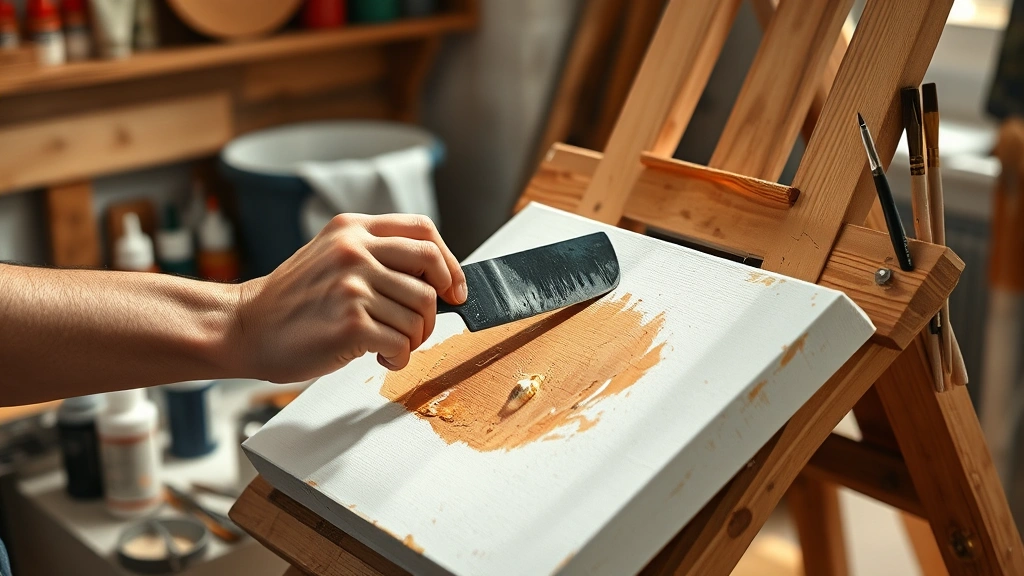
Several legitimate methods can accelerate drying without compromising your work. Using fast-drying mediums like alkyd mediums mixed into your oil paint can reduce drying time to 24 hours. Some artists use drying oils like stand oil or sun-thickened linseed oil, which are pre-oxidized and cure faster. Heat and air circulation help—positioning a fan to gently circulate air around your painting (not blowing directly on it) speeds oxidation. Keep your studio warm and dry. You can also apply a thin coat of damar varnish between layers to create a barrier that allows faster drying. Avoid using retarders or slow-drying mediums if you’re in a hurry; they do the opposite.
Common Drying Mistakes
The biggest mistake artists make is applying thick paint and expecting it to dry quickly. Another common error is moving the painting or stacking canvases before they’re fully cured, which causes smudging and damage. Some painters use excessive medium, thinking it helps, when actually it extends drying time. Placing wet paintings in direct sunlight seems logical but can cause uneven drying and cracking. Covering paintings with plastic or storing them in sealed containers traps moisture and prevents proper curing. Many beginners also don’t account for seasonal changes—a painting that dries fine in summer might take twice as long in winter. Proper storage and ventilation are essential.
Best Practices for Oil Painting
Here’s how the pros handle drying. First, work thin to thick—start with diluted paint and gradually build up layers. Allow at least 24 to 48 hours between major layers. Keep your studio at a consistent temperature and maintain good air circulation without direct drafts. Store finished paintings vertically in a cool, dry place rather than stacking them. Label your paintings with the completion date so you remember when they’re truly cured before varnishing or framing. If you need to work faster, consider using alkyd paints, which are oil-based but dry much quicker. Finally, invest in a proper drying rack or shelving system to keep paintings organized and safe while curing.
Frequently Asked Questions
Can I varnish oil paint before it’s fully dry?
No, you should wait at least 6 to 12 months before applying varnish. Varnishing too early traps moisture and can cause yellowing or bloom (a cloudy appearance). Most professional artists recommend the one-year rule, though some experienced painters varnish after 3 months if conditions are ideal.
Does oil paint ever stop drying?
Oil paint continues to cure through oxidation for years, even after it feels completely hard. This is why old paintings often become more durable and change color slightly over time. The curing process is permanent—the paint is continuously undergoing chemical transformation.
What’s the fastest drying oil paint available?
Alkyd paints are the fastest-drying oil-based option, curing in 24 hours or less. They’re compatible with traditional oils and mediums, making them popular for artists who need quicker turnaround times. Some manufacturers also offer fast-drying mediums specifically designed for oil painting.
Can I speed up drying with a heat gun or hair dryer?
Not recommended. Direct heat can cause uneven drying, surface cracking, and paint separation. Gentle ambient heat and air circulation are fine, but concentrated heat sources damage the paint film. Stick with environmental control instead.
Why does my oil paint feel dry but still smell strong?
That smell is the solvent evaporating and the oxidation process occurring. Even touch-dry paint is still curing internally. The strong smell indicates active chemical reaction, so the paint isn’t fully cured yet. Keep your studio ventilated.
Is it okay to paint over partially dried oil paint?
Yes, once paint is touch-dry (24-48 hours), you can apply the next layer. However, make sure the underlying layer is truly dry by testing with your fingernail. If you can make an indent, wait longer. Always ensure proper adhesion by lightly sanding between layers if needed.
Final Thoughts
Understanding how long oil paint takes to dry is fundamental to successful painting. Whether you’re working on a small study or a large canvas, patience is your greatest tool. Remember that touch-dry and fully cured are different milestones, and rushing the process leads to smudged work and disappointed results. Control your environment, work thin to thick, and give your paintings adequate time to cure. Your future self will thank you when you’re hanging a perfectly hardened, vibrant oil painting on the wall.


