

How long does it take for eyelashes to grow back? This is one of those questions that keeps people up at night, especially if they’ve accidentally over-plucked, suffered from hair loss, or dealt with damage from extensions or harsh treatments. The answer isn’t as simple as “a few weeks,” but I’ll walk you through exactly what to expect and how to speed up the process.
Table of Contents
The Eyelash Growth Cycle
Before we talk timeline, you need to understand how eyelashes actually grow. Unlike the hair on your head, which has a much longer growth phase, eyelashes operate on a completely different schedule. Your lashes go through three distinct phases: anagen (growth), catagen (transition), and telogen (resting and shedding).
During the anagen phase, your lash follicles are actively producing new hair. This phase lasts anywhere from 4 to 10 weeks for eyelashes. That’s right—your lashes are only actively growing for about two months max. Then they enter the catagen phase, which lasts about 2-3 weeks, where growth stops but the lash is still anchored. Finally, the telogen phase kicks in for about 4-9 weeks, during which the lash rests and eventually sheds naturally.
This is why eyelashes naturally fall out regularly. You might lose 1-5 lashes per day, which is completely normal. The cycle repeats continuously, which means you’re always growing new lashes—unless something disrupts the process.
Typical Timeline for Regrowth
So here’s the straightforward answer: it typically takes 6 to 12 weeks for eyelashes to grow back to their full length. But that’s assuming you’re starting from scratch—meaning the lash follicle is completely empty.
If you’ve plucked out a single lash or a few, you’re looking at the shorter end of that spectrum. Most people see visible regrowth within 2-3 weeks, and the lash will be back to normal length in about 6-8 weeks. However, if you’ve done serious damage—like over-plucking for years or dealing with trichotillomania (compulsive hair pulling)—the timeline extends significantly.
Here’s the week-by-week breakdown: Week 1-2, you won’t see much of anything; Week 3-4, tiny new lashes start appearing; Week 5-8, noticeable length and thickness develop; Week 9-12, lashes reach their full potential. Keep in mind this assumes optimal conditions—proper nutrition, no further damage, and healthy follicles.
Factors Affecting Your Growth Rate
Not everyone’s lashes grow at the same speed. Age plays a huge role. Younger people tend to have faster hair growth cycles overall, while those over 40 often experience slower regrowth. Your genetics also matter—if your parents had thick, fast-growing lashes, you probably do too.
Health conditions significantly impact lash growth. Thyroid disorders, alopecia, and nutritional deficiencies can all slow down or halt lash regrowth. Stress is another silent killer—chronic stress can push hair follicles into the telogen phase prematurely, causing shedding before new growth can establish.
Medications matter too. Certain chemotherapy drugs, blood thinners, and even some acne medications can affect hair growth cycles. If you’re on prescription medications and noticing lash loss, talk to your doctor before making assumptions.
Environmental factors shouldn’t be overlooked either. Harsh climates, excessive heat styling, and chemical exposure from makeup or lash treatments all slow down the regrowth timeline.
Speeding Up the Regrowth Process
You can’t make lashes grow faster than their biological maximum, but you can optimize conditions to hit that maximum potential. The first step is using a lash serum or growth-promoting product. Products containing biotin, peptides, or prostaglandin analogs have shown real results in clinical studies.
Castor oil is the DIY option that actually works. Apply a small amount to your lash line before bed using a clean spoolie brush. The ricinoleic acid and omega-3 fatty acids in castor oil nourish follicles and can improve the thickness and strength of regrowing lashes. Do this consistently for at least 8 weeks to see results.
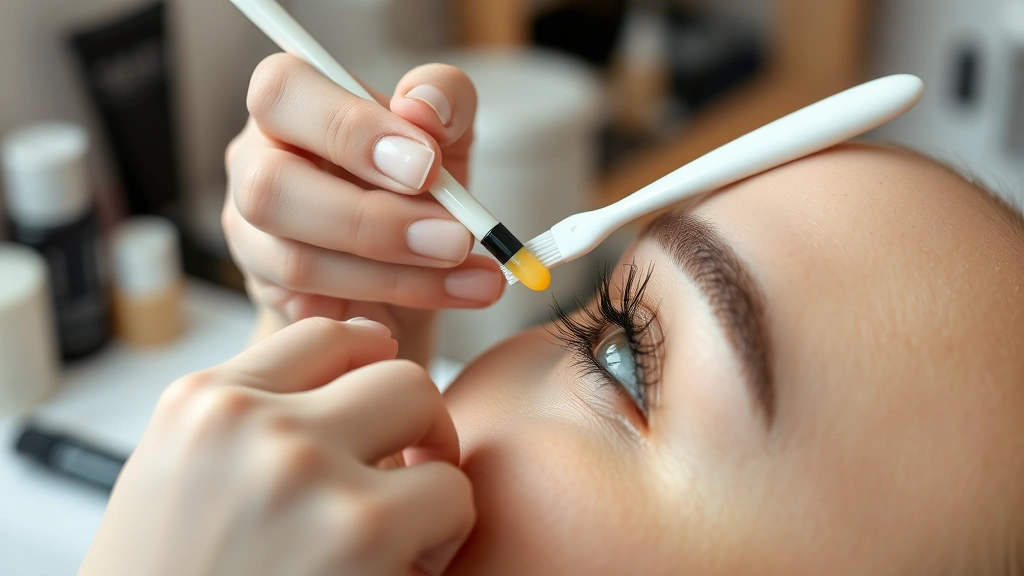
Avoid using lash curlers, heated tools, or waterproof mascara while lashes are regrowing. These products stress fragile new lashes and can break them before they reach full length. If you absolutely need mascara, use a gentle, volumizing formula and remove it with a mild cleanser—never tug or rub aggressively.
Nutrition’s Role in Hair Health
Hair growth happens from the inside out. Your lash follicles need specific nutrients to function optimally. Biotin is the MVP here—this B vitamin directly supports hair growth and strength. You’ll find it in eggs, almonds, sweet potatoes, and spinach. Aim for 2.5 micrograms daily.
Protein is equally critical since hair is made of keratin, a protein compound. Make sure you’re eating adequate lean meat, fish, legumes, or plant-based proteins. Iron deficiency is a common culprit behind hair loss, so if you’re vegetarian or vegan, pay special attention to iron intake.
Don’t forget about healthy fats. Omega-3 and omega-6 fatty acids reduce inflammation and support follicle health. Fatty fish like salmon, walnuts, and flaxseeds should be regular parts of your diet. Zinc is another overlooked nutrient—deficiency can cause hair loss, so include oysters, beef, or pumpkin seeds in your meals.
Vitamin C aids collagen production, which strengthens hair structure. Vitamin E acts as an antioxidant, protecting follicles from damage. If your diet is lacking, a quality hair-focused supplement can help bridge the gap, but whole foods are always better.
Avoiding Further Damage
This is critical: you can’t regrow lashes if you keep damaging them. Stop using lash extensions immediately if you’re trying to regrow natural lashes. Extensions pull on delicate lashes and can cause permanent follicle damage if used repeatedly or applied incorrectly.
Eyelash perms and tinting treatments contain harsh chemicals that weaken lash structure. Avoid these during the regrowth phase. Similarly, false lashes glued directly to your natural lashes create tension that can lead to traction alopecia—permanent lash loss.
Be gentle with your eye area. Don’t rub your eyes aggressively, and avoid sleeping face-down on your pillow, which creates friction. Use a silk or satin pillowcase if you do sleep on your side—these materials create less drag than cotton.
If you have a habit of pulling or plucking, address the root cause. Trichotillomania often stems from stress or anxiety, so consider talking to a therapist. Keeping your hands busy with a stress ball or fidget toy can help break the habit during the day.
When to See a Professional
If your lashes aren’t regrowing after 12 weeks, or if you’re experiencing unusual lash loss, see a dermatologist. They can rule out underlying conditions like alopecia areata, thyroid problems, or nutritional deficiencies. A dermatologist can also prescribe stronger treatments like latanoprost (Latisse) if warranted.
If you’ve been over-plucking for years, follicles may be permanently damaged. In this case, a dermatologist can assess whether follicles are truly dead or just dormant. Some follicles can be revived with proper care; others may require acceptance and management strategies.
An ophthalmologist should be consulted if lash loss is accompanied by eye pain, redness, or vision changes. These could indicate serious conditions unrelated to cosmetic concerns.
Building a Lash Care Routine
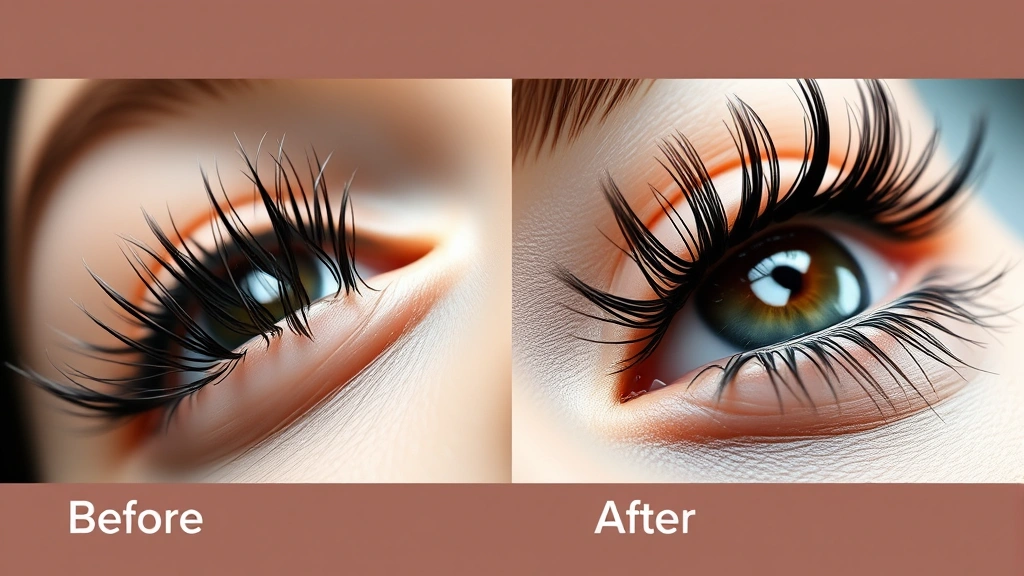
Create a daily routine that supports regrowth. Morning: gently cleanse your eye area with a mild, oil-free cleanser. Pat dry with a soft cloth—never tug. Afternoon: if you’re using a lash serum, apply it according to product instructions. Evening: use castor oil or your chosen growth product, apply it with a clean spoolie, and leave it on overnight.
Weekly: do a gentle lash massage. Using your fingertip, apply light pressure to your upper lash line and massage in small circles for 30 seconds. This increases blood flow to follicles. Avoid the temptation to pluck or pull, even if you see a stray lash.
Monthly: reassess your routine. Are you seeing baby lashes? Is thickness improving? Take photos to track progress—sometimes changes are too subtle to notice day-to-day. If something isn’t working after 4-6 weeks, switch products or techniques.
Frequently Asked Questions
Can I speed up eyelash regrowth with vitamins?
Vitamins support hair growth, but they work slowly and require consistent use. Biotin, vitamin E, and iron supplements can help if you have deficiencies, but they won’t dramatically accelerate regrowth beyond the biological maximum. Expect to take supplements for at least 8-12 weeks to see results.
Do lash serums really work?
Quality lash serums with proven ingredients like biotin, peptides, or prostaglandin analogs do show results in clinical studies. However, results vary by individual, and you need to use them consistently for 6-8 weeks minimum. Cheaper serums without active ingredients are essentially just moisturizers.
Is it normal to lose eyelashes daily?
Yes, losing 1-5 lashes per day is completely normal. Your lashes are constantly cycling through growth phases. If you’re losing significantly more than that, or if you notice bald patches, see a dermatologist.
Can I use castor oil on my lashes?
Absolutely. Castor oil is safe, affordable, and has research backing its benefits for hair growth. Apply a tiny amount to your lash line before bed using a clean spoolie or old mascara brush. Be careful not to get it in your eyes, and do a patch test first if you have sensitive eyes.
How long do eyelashes live?
Individual lashes live about 4-6 months total (covering all three growth phases). After that, they shed and are replaced by new lashes. This continuous cycle means you’re always regrowing lashes—unless something disrupts the follicles.
Will my lashes grow back if I’ve been plucking them for years?
In most cases, yes—but it depends on severity. Occasional plucking causes no permanent damage. Chronic, compulsive plucking can damage follicles, but they often recover with proper care and time. Permanent damage is rare unless follicles have been severely traumatized repeatedly.
Final Thoughts
How long does it take for eyelashes to grow back? The honest answer is 6 to 12 weeks for full regrowth, with visible progress starting around week 3. But this timeline assumes you’re giving your lashes the best possible conditions: proper nutrition, no further damage, consistent care, and patience.
The key is understanding that lash regrowth isn’t just about waiting—it’s about actively supporting your follicles. Use a proven serum or natural oil, eat foods rich in biotin and protein, avoid damaging treatments, and be gentle with your eye area. If you’re not seeing progress after 12 weeks, or if you’re losing lashes unusually quickly, talk to a dermatologist.
Remember, lashes are a natural part of your body that deserve respect and care. Stop treating them like accessories to abuse with extensions and perms, and start treating them like the protective features they actually are. With the right approach, your lashes will come back thicker, stronger, and healthier than before.


