
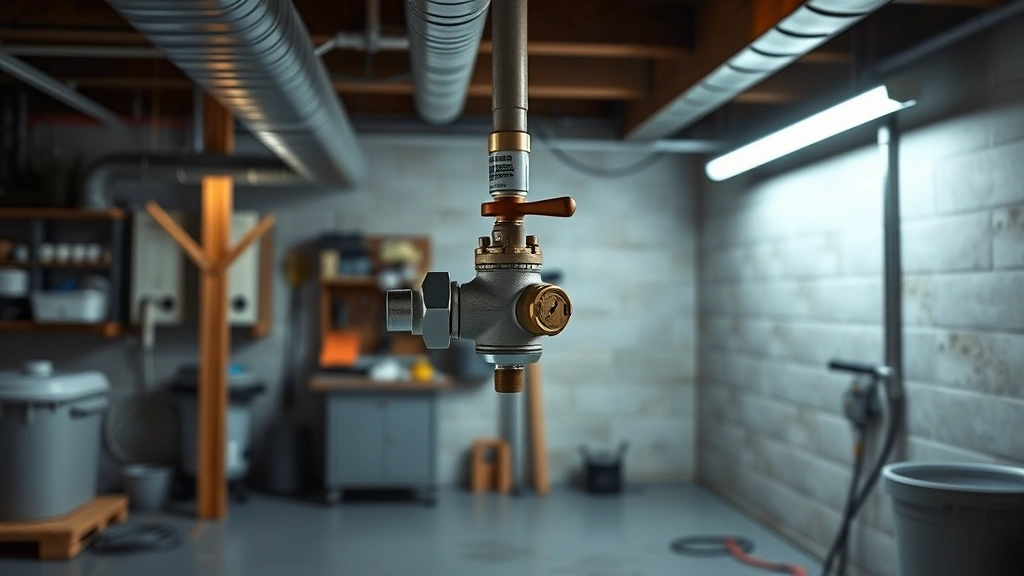
Knowing how do you turn off the water to the house is one of those essential skills that separates prepared homeowners from panicked ones. Whether you’re facing a burst pipe, planning a plumbing repair, or just want to be ready for emergencies, locating and operating your main water shutoff valve should be first on your list. This isn’t complicated stuff—it’s just practical knowledge that takes five minutes to learn and could save you thousands in water damage.
Table of Contents
Finding Your Main Shutoff Valve
Your main water shutoff valve is typically located where the water line enters your house from the street. In cold climates, this is usually in the basement near the foundation wall or inside a utility room. In warmer regions, you might find it in a crawlspace, garage, or even outside in a box buried in your yard. Start by checking your basement first—look along the perimeter walls for a pipe coming through the foundation. The valve is usually within 3-5 feet of where the line enters.
If you can’t find it in the basement, check your garage, utility room, or crawlspace. Some homes have the shutoff valve outside in a meter box or pit near the street. If you’re still stumped, call your water utility company—they can tell you exactly where it’s located and even show you on a site visit. Many utilities maintain this information and can email or mail you documentation.
Types of Shutoff Valves
Not all shutoff valves operate the same way, so you need to know what you’re dealing with. The most common type is the ball valve, which has a lever handle that turns 90 degrees. When the handle is parallel to the pipe, water flows freely. When perpendicular to the pipe, it’s shut off. These are reliable, easy to operate, and rarely get stuck.
The gate valve looks different—it has a round wheel handle you turn clockwise to close. These were standard in older homes but are less reliable than ball valves because the internal gate can corrode or stick over time. Some homes have butterfly valves with a flat lever, similar to ball valves but with a different internal mechanism. Regardless of type, the principle is the same: you’re blocking water flow with a physical barrier inside the valve.
Turning Off the Water
Once you’ve located your valve, turning off the water is straightforward. For a ball valve, simply turn the lever handle 90 degrees so it’s perpendicular to the pipe. You don’t need to force it—a gentle, firm turn is all that’s required. For gate valves, turn the round handle clockwise until it stops. Don’t over-tighten; you’ll know it’s closed when resistance increases.
After shutting off the valve, go to the nearest faucet and turn it on. Water should stop flowing within a few seconds. If water continues flowing, the valve didn’t seal properly. This sometimes happens with older gate valves. Try opening and closing the valve a couple of times, then test again. If it still doesn’t work, you may need to call a plumber to replace the valve.
Secondary Shutoff Locations
Beyond the main shutoff, individual fixtures and appliances often have their own shutoff valves. Your toilet has a shutoff valve on the water line feeding it—usually a small valve on the wall behind the toilet. Your washing machine has shutoff valves (typically two for hot and cold) where the hoses connect. Your water heater has a shutoff valve on the cold water inlet line. Knowing where these are located means you can address a specific problem without shutting off water to the entire house.
Take time to locate and label these secondary valves. If you’re dealing with a washing machine leak, for example, you can shut off just those valves instead of the main. This is especially useful for renters or when you’re doing plumbing work in a specific area. Some newer homes have shutoff valves at every fixture—a luxury that makes maintenance and repairs far less disruptive.
Dealing with Frozen or Stuck Valves
If your valve hasn’t been used in years, it might be stuck. This is common with gate valves that have corroded internally. Never force a stuck valve—you could break the handle or damage the valve body. Instead, try these approaches: apply penetrating oil (like WD-40) around the handle stem and wait 15-20 minutes. Gently tap the valve body with a hammer to help loosen internal corrosion. Try turning the handle very slowly and incrementally.
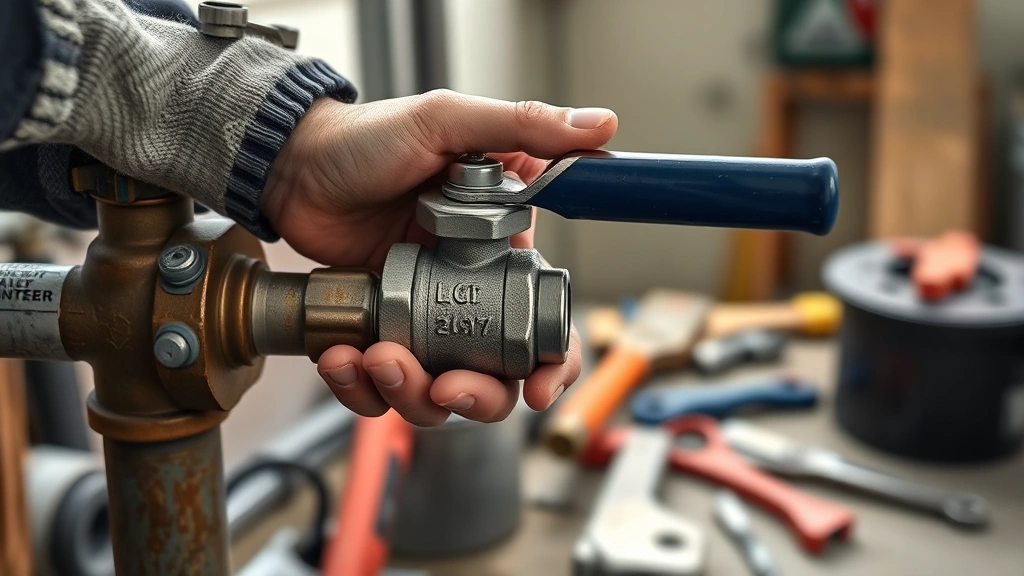
If the valve remains stuck after these attempts, you have a problem. A non-functioning main shutoff valve is a liability. Call a licensed plumber to replace it with a modern ball valve. This isn’t expensive (usually $150-300 for the valve and installation) and gives you peace of mind. Don’t ignore this—you need a working shutoff valve for emergencies.
Testing Your Shutoff System
You should test your shutoff valve at least once per year to ensure it works when you need it. Pick a low-risk time (not during winter when pipes might freeze if water stops flowing) and perform this simple test: locate the main shutoff, turn it off, go to a faucet and verify water stops, then turn the valve back on and confirm water returns.
While you’re at it, test your secondary shutoff valves too. This is especially important for the toilet shutoff—you don’t want to discover it’s stuck when you have an overflowing toilet at 2 AM. Testing takes five minutes and could prevent panic during an actual emergency. Mark your calendar to do this annually.
Emergency Water Shutoff Tips
In a true emergency—like a burst pipe or major leak—speed matters. You should be able to locate and operate your main shutoff in under two minutes, even in the dark. Keep a flashlight near your main shutoff location. Some people paint the valve handle bright red or attach glow-in-the-dark tape so it’s visible immediately.
If you can’t locate the main shutoff during an emergency, contact your water utility company immediately. They often have a crew that can shut off water at the meter or street valve. This takes longer than doing it yourself, but it’s better than letting water damage accumulate while you search. Keep your utility company’s emergency number posted on your refrigerator.
For burst pipes, also consider turning off your water heater after shutting off the main valve. This prevents the heater from running dry and potentially damaging its heating element. Modern heaters have safety features, but it’s a good precaution.
Maintenance and Prevention
Regular maintenance prevents shutoff valve problems. Every few months, gently exercise your main valve by turning it off and on (don’t force it). This keeps the internal mechanism from seizing. If you notice any leaking around the valve handle, it might need a new packing nut—a simple fix a plumber can handle.
Consider having a professional plumber inspect your shutoff valve during routine maintenance visits. They can identify corrosion, wear, or other issues before they become problems. If your valve is a gate valve and over 10 years old, it’s worth replacing with a modern ball valve for reliability. This is also a good time to map out all your secondary shutoff valves and create a simple diagram showing their locations.
When doing major plumbing work, like installing a new fixture or updating your system, ensure your shutoff valves are easily accessible. Don’t bury them behind cabinets or storage. Future you (or a future homeowner) will appreciate the accessibility.
Frequently Asked Questions
Where is the main water shutoff valve located?
It’s typically where the water line enters your house—usually in the basement near the foundation, in a utility room, garage, or crawlspace. In warm climates, it might be outside in a meter box. Check your utility bill or contact your water company if you can’t find it.
How do I know if my shutoff valve is working?
Turn it off, go to a faucet, and verify water stops flowing. If water continues, the valve isn’t sealing properly. Try opening and closing it a few times to clear any debris, then test again.
What should I do if my shutoff valve is stuck?
Apply penetrating oil, wait 15-20 minutes, then try turning it slowly. Tap the valve body gently with a hammer. If it remains stuck after several attempts, call a plumber—a non-functioning shutoff valve is a safety issue.
Can I turn off water to just one fixture?
Yes. Most fixtures have individual shutoff valves. Toilets have one behind them, sinks have them under the counter, washing machines have them where hoses connect. These let you address problems without shutting off water to the entire house.
How often should I test my shutoff valve?
At least once per year. This ensures it works when you need it and prevents the valve from seizing due to lack of use.
What’s the difference between a ball valve and a gate valve?
Ball valves have a lever handle that turns 90 degrees and are more reliable. Gate valves have a round wheel handle you turn clockwise and are prone to corrosion and sticking in older homes. Ball valves are the modern standard.
Should I turn off my water heater after shutting off the main valve?
It’s a good precaution during emergencies. Turn off the water heater after the main valve to prevent it from running dry, which can damage the heating element.
What if I can’t find my main shutoff valve?
Contact your water utility company. They maintain records of shutoff locations and can tell you exactly where yours is. Many utilities will even show you during a site visit.
Wrapping Up
Knowing how do you turn off the water to the house is non-negotiable homeowner knowledge. Spend 15 minutes locating your main shutoff valve, identifying its type, and testing it. Then locate your secondary shutoff valves for individual fixtures. This preparation takes minimal time but could save thousands in emergency water damage and give you genuine peace of mind. When emergencies happen—and they do—you’ll be ready. For more information on maintaining your home’s systems, check out resources from Family Handyman or This Old House. And if you’re planning broader home maintenance, understanding your water system is just the start—consider reviewing your washing machine maintenance and other critical systems too.


