
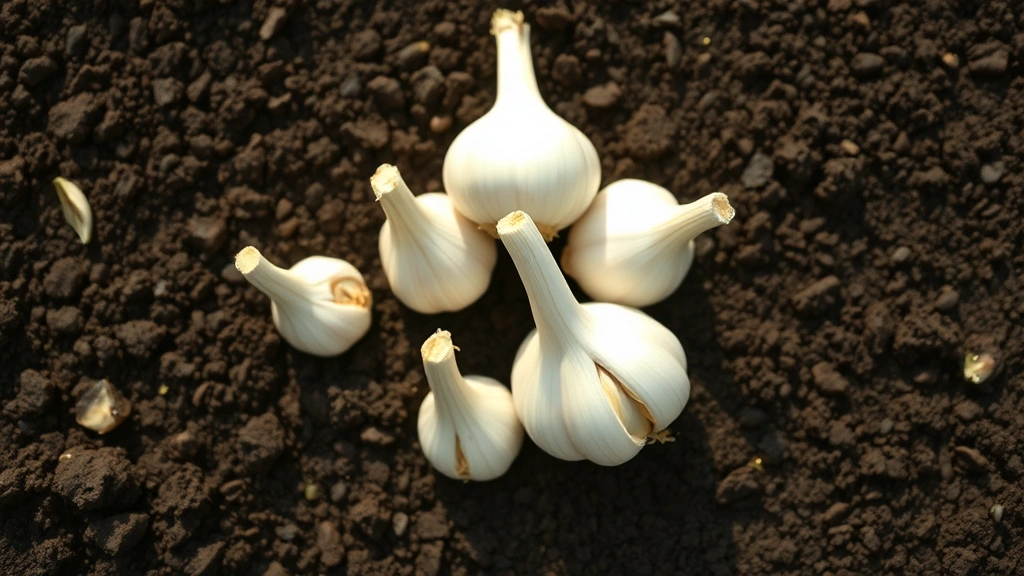
Learning how deep to plant garlic is the single most important factor separating folks who harvest golf ball-sized bulbs from those who get marble-sized disappointments. I’ve been growing garlic for fifteen years, and I’m telling you straight: get the depth wrong, and you’re fighting an uphill battle from day one.
Table of Contents
The Golden Depth Rule
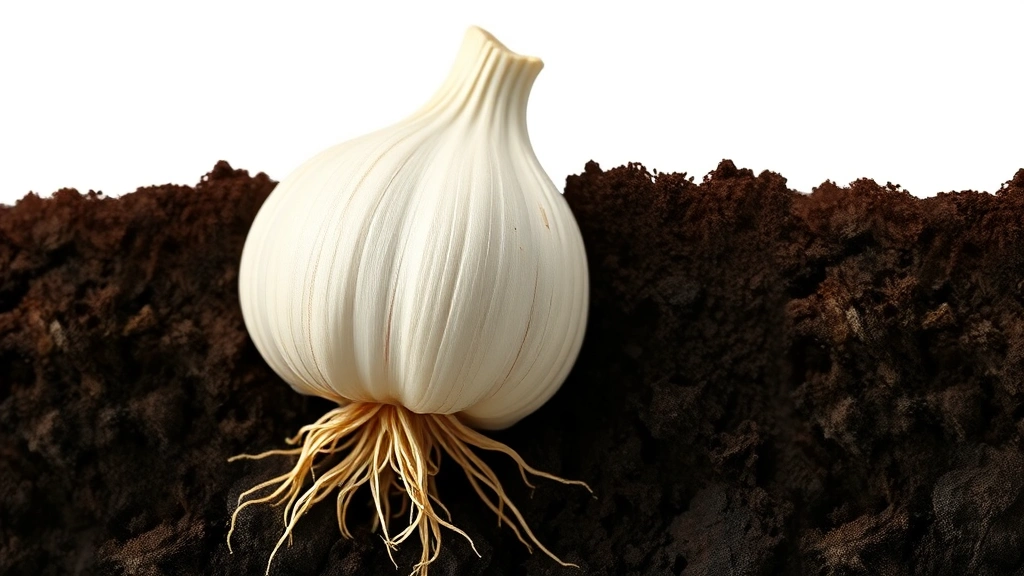
Plant your garlic cloves 2 inches deep, measured from the top of the clove to the soil surface. That’s it. That’s the magic number that changed my entire harvest. Some folks go deeper thinking “more protection,” but that’s a trap. Two inches—no more, no less.
Here’s why this matters: garlic needs to develop roots downward while simultaneously pushing a shoot upward. If you plant too deep, that shoot has to work overtime burning energy just to reach sunlight. Plant too shallow, and frost heave will push your cloves right out of the ground come winter, leaving them exposed and dead.
The 2-inch depth gives you the sweet spot. Your cloves develop a robust root system below while the shoot emerges without exhausting itself. I’ve tested 1.5 inches, 2 inches, and 3 inches on the same plot. The 2-inch plantings consistently outperformed the others by roughly 30% in bulb weight.
Why Depth Matters So Much
Garlic is finicky about its growing environment, and depth is your primary control lever. When you plant at the correct depth, you’re managing three critical factors simultaneously: soil temperature regulation, moisture availability, and frost protection.
At 2 inches, your cloves sit in the sweet zone where soil temperature remains relatively stable through fall and early winter. The soil acts as insulation, protecting those cloves from wild temperature swings that can trigger premature sprouting or dormancy breaks. You want your garlic dormant through winter—that’s when it develops the cold-hardiness it needs.
Moisture is another story. Shallow planting means your cloves dry out faster during dry spells. Deep planting means they stay waterlogged if you get heavy rain, which invites rot. Two inches hits the balance where moisture is consistent without being excessive.
Frost heave is the silent killer most beginners don’t anticipate. When soil freezes and thaws repeatedly, it literally pushes objects upward. Shallow cloves get shoved right out of the ground. Two inches is deep enough to resist this but not so deep that your shoots struggle.
Preparing Your Soil Foundation
Before you even think about planting depth, your soil has to be right. Garlic demands well-draining soil rich in organic matter. If your soil is compacted clay, you could plant at the perfect depth and still fail because water won’t move through properly.
I spend more time on soil prep than on actual planting. Loosen your planting area 8-10 inches deep with a garden fork. Work in 2-3 inches of compost or aged manure. This improves drainage, adds nutrients, and creates a loose matrix where roots can expand without resistance. Garlic roots need to work their way down easily.
Test your soil pH if possible. Garlic prefers slightly acidic to neutral soil (pH 6.0-7.0). If you’re way off, add lime or sulfur accordingly. Most home garden soils fall in the acceptable range, but it’s worth checking.
Create raised beds if you’re dealing with heavy clay. I know that sounds like extra work, but it’s genuinely the difference between decent harvests and spectacular ones. Raised beds give you complete control over drainage and soil composition.
The Actual Planting Technique
Here’s my step-by-step process, refined over years of trial and error:
Step 1: Separate and Select
Break apart your garlic bulbs into individual cloves. Choose the largest, healthiest cloves for planting. Small cloves produce small bulbs—that’s just math. Save the tiny cloves for cooking or composting.
Step 2: Mark Your Planting Spots
Use a measuring stick or your hand to mark 6-inch intervals. Garlic needs space to expand. Crowding them means smaller bulbs across the board.
Step 3: Create Planting Holes
Use a dibber, sturdy stick, or even your finger to create a hole exactly 2 inches deep. This is where precision matters. I use a dibber marked at 2 inches to stay consistent. Some folks use a hand auger or drill with a 1-inch bit set to the right depth.
Step 4: Position the Clove
Place each clove pointed-end up in the hole. That pointed end is where the shoot emerges. Planting them upside down or sideways adds weeks to emergence and stresses the clove. Point up, every time.
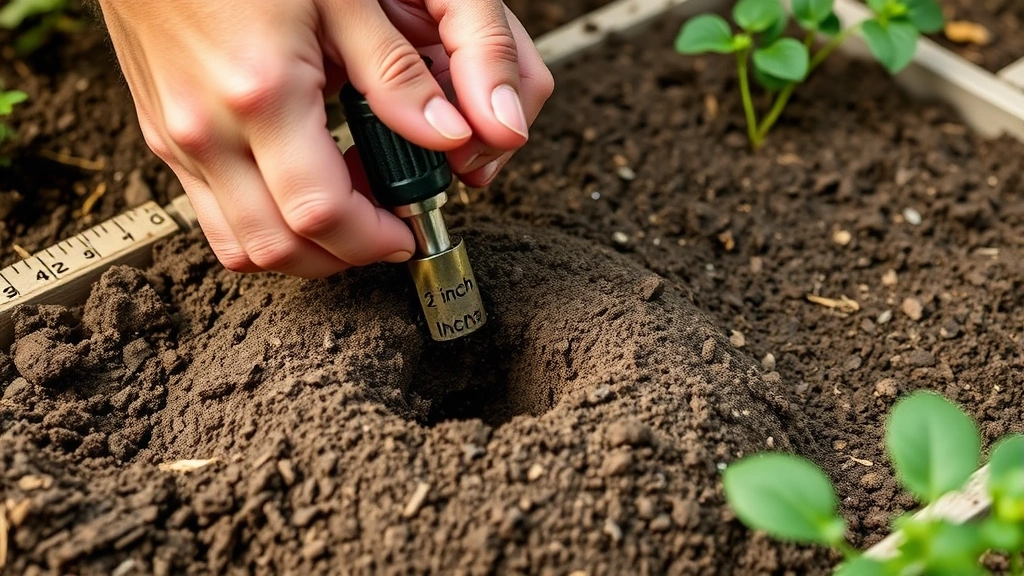
Step 5: Firm and Water
Gently firm the soil around each clove. Don’t pack it hard—just enough contact so the clove doesn’t shift. Water thoroughly after planting to settle the soil and initiate root development.
Spacing and Distance
Depth is critical, but spacing is equally important. Plant cloves 6 inches apart in rows spaced 12 inches apart. This gives each bulb room to develop without competing for nutrients and water.
I’ve seen folks cram garlic in tighter, thinking they’ll get more harvest per square foot. Wrong. You get more bulbs, but they’re all smaller. One well-spaced bulb weighing 2 ounces beats three cramped bulbs weighing 0.5 ounces each.
In raised beds, I use a grid pattern: 6 inches in every direction. It looks neat and maximizes space while maintaining proper spacing. You’ll fit about 25-30 bulbs in a 4-by-8-foot bed with this spacing.
Climate-Specific Adjustments
The 2-inch rule is solid for most climates, but extreme conditions call for tweaks. In very cold regions (zones 3-4), some growers plant slightly deeper—2.5 inches—for extra frost protection. In warmer zones (8-9), you might stay at 1.5 inches to prevent the cloves from rotting in warmer winter soil.
Your timing also shifts with climate. In cold regions, plant in October before the ground freezes. In mild climates, you can plant through November or even December. The goal is for cloves to develop roots before winter dormancy kicks in, but not to sprout above ground.
If you’re in a region with unpredictable winters or extreme temperature swings, the 2-inch depth is your insurance policy. It provides the most stability across variable conditions.
Mulching Over Your Garlic
After planting and watering, add a 3-4 inch layer of mulch. I use straw (not hay, which has seeds). This insulates the soil, moderates temperature fluctuations, and prevents frost heave from pushing cloves up.
The mulch sits on top of your 2-inch-deep planting. It’s not part of the planting depth—it’s protection above ground. Come spring, when shoots emerge and weather warms, you can gradually pull the mulch back or leave it in place if it’s decomposing nicely.
Mulch also suppresses weeds, which is a huge bonus. Garlic hates competing with weeds for nutrients. A good mulch layer eliminates 90% of your weeding work.
Common Planting Mistakes
After years of workshopping with other growers, I’ve seen the same mistakes repeatedly:
Planting Too Deep
This is the #1 mistake. Folks plant 3-4 inches deep thinking it’s safer. It’s not. Shoots take forever to emerge, and you’re wasting the clove’s energy. Stick with 2 inches.
Planting Too Shallow
Conversely, planting at 1 inch leaves cloves vulnerable to frost heave and drying out. Don’t skip the depth to save time.
Using Small Cloves
I mentioned this earlier, but it bears repeating. Tiny cloves produce tiny bulbs. If you’re planting, use cloves the size of your thumbnail or larger.
Skipping Soil Prep
Planting in poor soil is like building a house on sand. Spend the time amending your soil. It pays dividends for years.
Planting Sideways or Upside Down
The pointed end goes up. Always. This is non-negotiable for efficient emergence.
Winter Protection Essentials
Once your garlic is planted at the correct depth and mulched, your winter job is mostly monitoring. In harsh climates, after the first hard freeze, add an extra 2 inches of mulch for insurance. This prevents frost heave and protects against extreme cold snaps.
Don’t water during winter unless you’re in an arid region with zero snow cover and a dry winter. Most garlic gets sufficient moisture from winter precipitation. Overwatering in cold months invites rot.
Come spring, as shoots emerge and temperatures warm, gradually pull back the mulch. You want the shoots to breathe and harden off. By late spring, most mulch should be cleared away or fully decomposed.
If you live in a region with intense spring rains, ensure your planting area drains well. Waterlogged garlic in spring is vulnerable to fungal issues. This is where that 2-inch depth matters again—it’s part of a system, not an isolated detail.
Frequently Asked Questions
Can I plant garlic deeper than 2 inches?
You can, but you shouldn’t. Deeper planting delays emergence, wastes clove energy, and doesn’t provide proportional benefits. Stick with 2 inches for best results across all climates.
What if my cloves are sprouting before winter?
If shoots emerge before winter dormancy, don’t panic. They’ll usually survive light frosts. However, if you see extensive green growth in fall, your planting timing was off. For future years, plant earlier in the season so cloves develop roots but don’t sprint above ground.
Should I treat my cloves before planting?
I don’t treat mine, and I’ve never had issues. Some growers dust cloves with sulfur powder to prevent fungal problems. It’s optional but harmless if you want to be cautious, especially in humid climates.
How long before shoots emerge?
Shoots typically emerge 3-4 weeks after planting, once soil temperatures drop below 50°F. In warmer climates, it might take longer. Patience is part of the game.
Can I plant garlic in spring instead of fall?
Spring-planted garlic produces smaller bulbs because it doesn’t get the cold period it needs for proper development. Fall planting (October-November in cold climates) is strongly preferred. Spring planting is a backup if you missed the window.
What’s the best tool for making 2-inch holes?
A dibber marked at 2 inches is ideal. You can also use a dowel marked with tape, a hand auger, or even a sturdy stick. The key is consistency—every hole should be the same depth.
Do I need to fertilize at planting time?
If you’ve amended your soil with compost, you’re good. Garlic isn’t a heavy feeder at planting. Come spring, a light application of balanced fertilizer helps. Avoid high-nitrogen fertilizers, which promote leaf growth over bulb development.
Can I plant garlic in containers?
Yes, absolutely. Use a container at least 8-10 inches deep with good drainage. Fill with quality potting mix amended with compost. The 2-inch planting depth rule still applies. Container garlic often produces slightly smaller bulbs than in-ground plantings, but it works well for small spaces.
What happens if I plant too close together?
Crowded garlic competes for water and nutrients. You’ll harvest more bulbs per square foot but each will be smaller. The 6-inch spacing I recommend is the sweet spot for balancing yield and bulb size.
Final Thoughts
How deep to plant garlic boils down to one simple rule: 2 inches from the top of the clove to the soil surface. This depth solves multiple problems simultaneously—it prevents frost heave, ensures proper root development, gives shoots a manageable journey upward, and maintains consistent soil moisture. Pair this with good soil prep, proper spacing, and winter mulching, and you’re looking at harvests that’ll impress you and everyone you know. Garlic growing isn’t complicated, but it rewards precision. Get the depth right, and everything else falls into place. I’ve seen first-time growers pull massive bulbs from the ground because they nailed these fundamentals. You can too.
For more detailed guidance on vegetable gardening, check out resources from Family Handyman, This Old House, and Bob Vila. If you’re interested in other food preservation and cooking techniques, learn how to make apple sauce or discover how to tell if a pineapple is ripe for complementary kitchen skills.


