
Card games kings in the corner how to play is a timeless solitaire-style card game that’s perfect for solo players looking to kill some time or test their strategy skills. Whether you’re stuck on a rainy afternoon or want to brush up on a classic, this guide breaks down everything you need to know to start playing like a pro.
Table of Contents
What is Kings in the Corner?
Kings in the Corner is a classic solitaire card game that’s been around for generations, offering a perfect blend of luck and skill. Unlike some card games that require multiple players, this one lets you play solo against the deck itself. The goal is straightforward: arrange all your cards into neat sequences and clear the tableau before you run out of moves.
The beauty of this game lies in its simplicity mixed with strategic depth. You don’t need fancy equipment—just a standard 52-card deck and a flat surface. It’s the kind of game that teaches patience, planning, and when to take calculated risks. Many people find it meditative, making it perfect for unwinding after a long day.
Game Setup and Card Layout
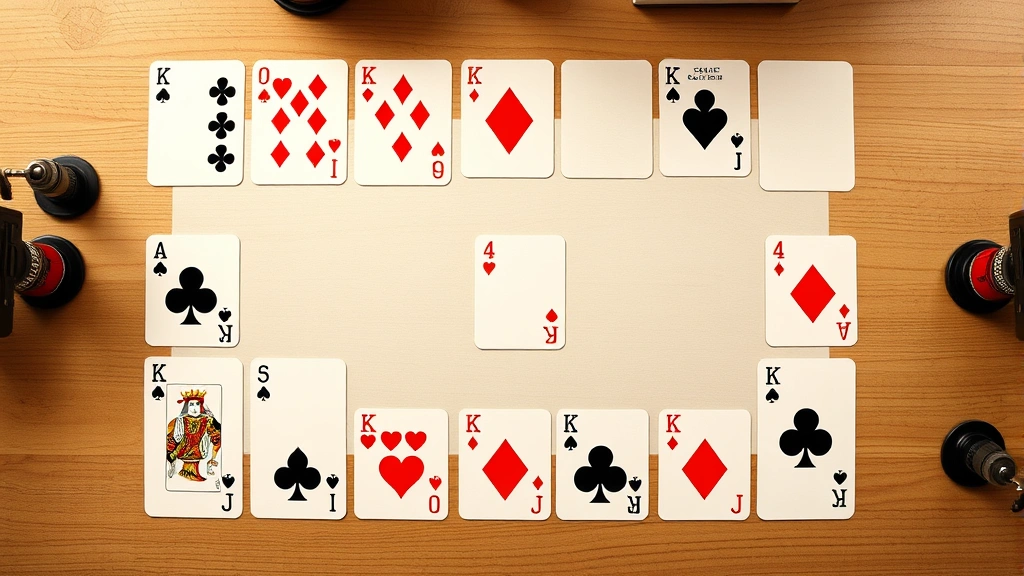
Before you start playing, you need to set up your tableau correctly. Shuffle your deck thoroughly, then deal out 16 cards in a 4×4 grid on your playing surface. Leave space around this grid because you’ll need room to build your sequences.
The remaining cards form your stock pile, which sits off to the side. Keep this deck face-down so you can draw from it when needed. The four corners of your 4×4 grid are special—these are where Kings will eventually go, giving the game its iconic name.
Make sure you have good lighting and enough table space. A cloth or mat helps cards stay in place and makes the game easier on your eyes. Organization is key to avoiding mistakes, so take a moment to arrange everything neatly before dealing the first card.
Basic Rules and Gameplay
The fundamental rule of Kings in the Corner is that you can only move cards that are exposed and available. Cards are exposed when they’re not covered by other cards in the grid. Your job is to build sequences in descending order, alternating colors as you go.
On each turn, you have three options: move a card from the grid onto another card in the grid, move a card from the grid onto a foundation pile, or draw a card from the stock pile if you can’t make any other moves. You must make a legal move if one exists—you can’t skip your turn just to draw.
A legal move means placing a card of one rank lower and opposite color on top of another card. For example, you can place a black 7 on a red 8, or a red 3 on a black 4. This creates sequences that you’ll eventually move to foundation piles once they’re complete.
Understanding Card Movements
Card movement is where strategy really kicks in. You can move cards within the grid to create cascades—sequences of cards in descending order with alternating colors. These cascades can be moved together as a unit, which is crucial for opening up new cards and creating winning opportunities.
Kings are special because they’re the only cards that can go in the corners of your grid. Once a King reaches a corner, it stays there and can’t be moved again. This is why corner placement matters so much—it’s permanent real estate that needs careful consideration.
When you move a card or cascade, you expose new cards underneath. This exposure is your ticket to progress. The more cards you expose, the more options you create. Sometimes you’ll need to move a card temporarily to a less-than-ideal spot just to expose the card you really need.
Building Sequences Strategically
Building strong sequences is the heart of Kings in the Corner strategy. Start by looking for opportunities to create long cascades early in the game. The longer your sequences, the more cards you can move at once, which opens up more possibilities.
Think several moves ahead. Don’t just make a move because it’s legal—consider what cards it exposes and whether those exposed cards help or hurt your position. Sometimes the best move isn’t the most obvious one. Patience pays off when you’re willing to hold off on a move to set up something better.
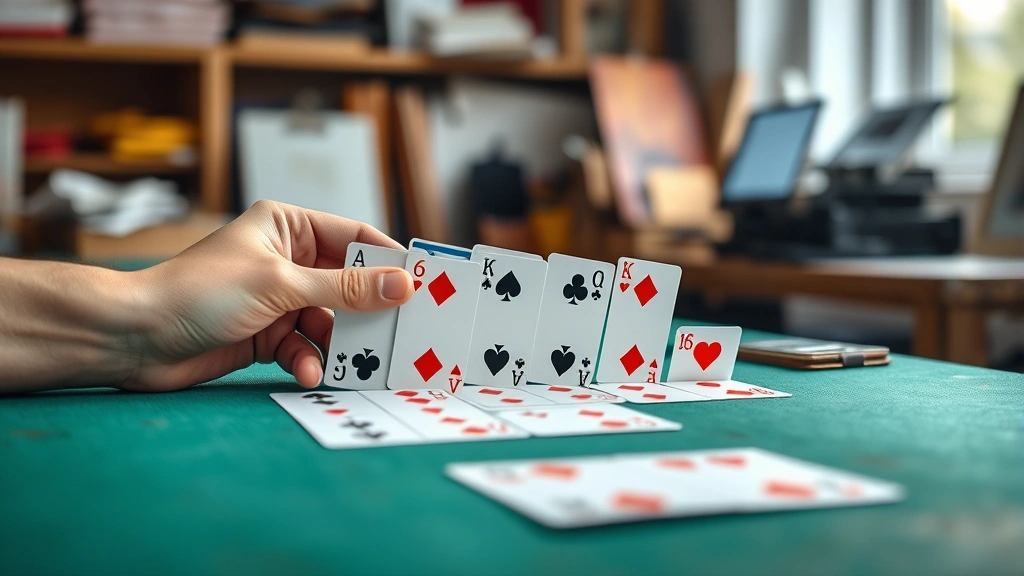
Focus on exposing high-value cards early. Aces, twos, and threes are often your limiting factor because there aren’t many cards you can place on top of them. Getting these cards into play quickly gives you more flexibility as the game progresses.
Winning Strategy Tips
The most successful Kings in the Corner players understand the importance of planning. Before you make any move, scan the entire tableau for cascades you can build. Look for cards that can move onto each other, creating chains that expose more cards.
Prioritize moving cards to the corners early if you have Kings available. Corner Kings are permanent, so they reduce the complexity of your tableau and free up space. However, don’t rush Kings to corners if it means blocking access to other useful cards.
Draw from the stock pile strategically. Only draw when you absolutely can’t make another move. Every card you draw is a card you need to place somewhere, so minimize unnecessary draws. The fewer cards in play, the easier the puzzle becomes.
Watch your color distribution. If you’re building mostly red sequences, you’ll struggle to place black cards. Try to balance your cascades so you have options for both colors. This flexibility is what separates winning games from frustrating losses.
Common Mistakes to Avoid
New players often rush to place cards in corners without thinking ahead. This is a trap. Corner placement is permanent, so make sure you’re not blocking crucial cards or creating dead ends. A King in the wrong corner can doom your entire game.
Another common mistake is drawing too eagerly. Beginners often draw from the stock pile whenever they can’t see an immediate move, but this floods the tableau with cards. Discipline yourself to look for cascades and hidden moves before drawing.
Don’t ignore card exposure. Every move should expose new cards or create new options. If a move doesn’t do either, it’s usually not worth making. Think about the ripple effect of each placement.
Avoid getting tunnel vision on one area of the grid. Keep your eyes moving across the entire tableau. The winning move might be in the opposite corner from where you’re focusing. Systematic scanning prevents missed opportunities.
Game Variations and Twists
Once you’ve mastered the classic version, try variations to keep things fresh. Some players use different grid sizes—a 5×5 grid adds complexity, while a 3×3 grid speeds things up. Larger grids mean more cards to manage but also more possibilities.
Another variation involves changing the rules for corner placement. Instead of just Kings, some versions allow Aces or other special cards in corners. This changes strategy significantly and forces you to adapt your approach.
Speed variations exist too. Challenge yourself to complete the game in a certain number of moves or within a time limit. These constraints force you to think faster and make riskier decisions, which can be surprisingly fun.
Practice Tips for Mastery
Like any skill, mastering Kings in the Corner requires practice. Start by playing multiple games in succession. You’ll begin recognizing patterns and seeing moves you would have missed before. Keep a notebook of interesting positions and how you solved them.
Play at a comfortable pace. Don’t rush. Take time to study the board before each move. Speed comes naturally once you’ve internalized the rules and strategy. Rushing leads to mistakes and missed opportunities.
Challenge yourself with self-imposed rules. Maybe you only allow yourself to draw five times per game, or you must clear the board in under 20 moves. These challenges sharpen your skills and make you think more creatively.
Study winning games. If you complete a game successfully, replay it mentally and think about whether you made optimal moves. Could you have won faster? Were there moves you made that weren’t necessary? This reflection accelerates learning.
Frequently Asked Questions
Can you move multiple cards at once in Kings in the Corner?
Yes! You can move entire cascades as a single unit. If you have a sequence of cards in descending order with alternating colors, you can move the entire stack onto another card. This is one of the most powerful mechanics in the game and opens up many possibilities.
What happens if you can’t make any legal moves?
If you can’t move any cards from the grid, you must draw from the stock pile. If the stock pile is empty and you still can’t move, the game ends. You lose if you can’t complete the tableau before running out of options.
Is Kings in the Corner the same as Solitaire?
Not exactly. While both are solo card games, they have different rules and objectives. Kings in the Corner focuses on building sequences and clearing a specific grid layout, while classic Solitaire (Klondike) has different mechanics and uses foundation piles differently.
How long does a typical game take?
Most games last between 5 and 15 minutes, depending on your speed and the luck of the draw. Faster players can complete games in under 5 minutes, while strategic players might take 20 minutes or more. There’s no time limit—play at whatever pace feels right.
What’s the win rate for Kings in the Corner?
With optimal play, you should win roughly 80-90% of games. The game is designed to be solvable most of the time, but luck still plays a role in card distribution. Some games are genuinely unwinnable from the start due to poor card arrangement.
Can you play Kings in the Corner with multiple players?
The classic version is a solo game, but variations exist for multiple players. Some house rules involve taking turns moving cards from a shared tableau, adding a competitive element. Check online gaming communities for multiplayer house rules if you want to try this.
Are there any digital versions available?
Yes, several mobile apps and online platforms offer Kings in the Corner. These digital versions are great for practicing when you don’t have physical cards handy. However, many players prefer the tactile experience of actual cards.
Master Your Game Today
Kings in the Corner is a rewarding card game that combines simplicity with genuine strategic depth. Whether you’re playing for relaxation or competitive mastery, the fundamentals remain the same: plan ahead, build strong sequences, and make every move count. Start with the basics, practice consistently, and soon you’ll be winning games with confidence. Grab a deck and give it a try—you might just discover your new favorite way to pass the time.


