
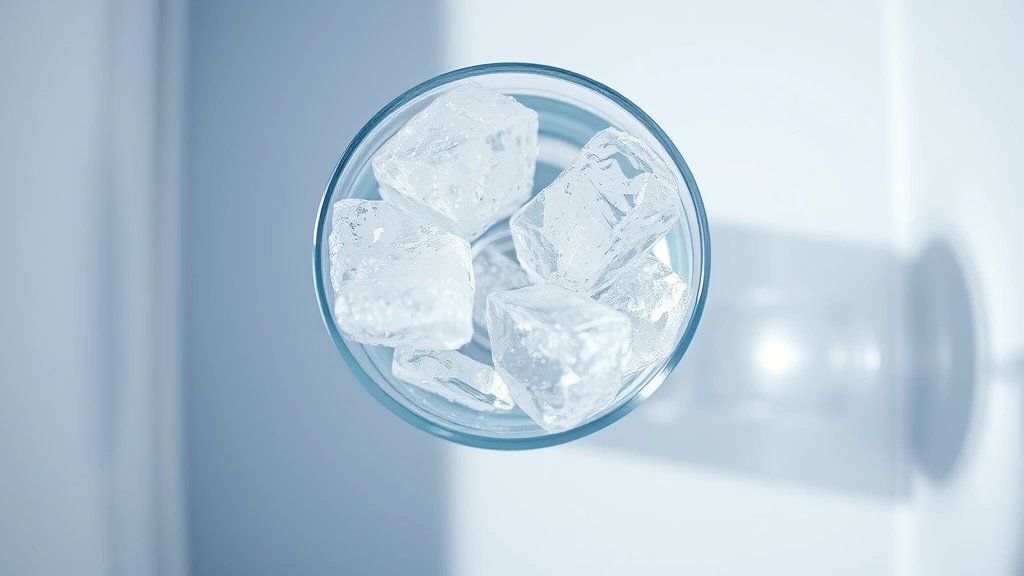
So, how long does it take water to freeze? The short answer: about 3-4 hours in a standard home freezer at 0°F (-18°C), but the real story is way more interesting than that. Water doesn’t just flip a switch from liquid to solid—it’s a process influenced by temperature, container size, water purity, and a bunch of other factors that most folks never think about until they’re waiting for ice cubes or dealing with frozen pipes.
Whether you’re prepping for a party, troubleshooting a plumbing nightmare, or just curious about the science happening in your freezer, understanding the freezing process helps you work smarter. Let’s dig into what actually happens when water turns to ice, and I’ll share some practical tips to speed things up or prevent freezing disasters.
Table of Contents
Freezing Basics: The Science
Water freezes at 32°F (0°C) at sea level, but here’s where it gets weird: pure water can actually stay liquid below that temperature if it’s undisturbed. This phenomenon is called supercooling, and it’s why your water bottle might not freeze solid even when it’s sitting in a super-cold freezer. The moment something jostles it or introduces an impurity, boom—it crystallizes into ice almost instantly.
In practical terms, when you put water in your freezer, the cold air pulls heat energy from the water molecules. Those molecules slow down and arrange themselves into a crystalline structure—that’s ice. The process isn’t instantaneous; it happens from the outside in, which is why a frozen glass of water has an icy shell before the center solidifies.
Standard Freezer Freezing Time
A typical home freezer set to 0°F (-18°C) will freeze a standard glass of water (about 8 ounces) in roughly 3-4 hours. A full liter bottle takes about 6-8 hours. A gallon? Plan on 12-24 hours, depending on your freezer’s efficiency and how full it is. These timeframes assume you’re starting with tap water at room temperature and that your freezer is running properly.
If you’re making ice cubes, most standard trays freeze solid in about 4-6 hours, though many people leave them overnight to be safe. The reason ice cube trays freeze faster than a solid block of water is surface area—more of the water is exposed to cold air, so heat dissipates quicker.
Factors That Affect Freezing Speed
Not all freezing scenarios are created equal. Several variables dramatically change the timeline:
Water purity: Distilled water freezes slower than tap water because tap water contains minerals and impurities that actually lower the freezing point slightly—wait, that’s backwards. Impurities actually help water freeze faster by providing nucleation sites for ice crystal formation. Pure water resists freezing longer because there’s nothing for ice crystals to grab onto.
Container material: Metal conducts heat away from water much faster than plastic or glass. An aluminum ice cube tray freezes water quicker than a silicone one. If you’re in a hurry, metal is your friend.
Freezer crowding: A packed freezer takes longer to freeze new items because cold air can’t circulate efficiently. An organized, half-full freezer with good airflow freezes water faster.
Starting temperature: Hot water actually freezes faster than cold water in some cases—this is called the Mpemba effect. It’s counterintuitive, but hot water loses heat more rapidly initially, and there’s less distance for the temperature to drop. That said, it’s not a reliable hack for everyday use.
Ice Cube Trays & Container Size
Ice cube trays are the most practical freezing scenario for most households. Standard trays with 12-14 cubes freeze in 4-6 hours at 0°F. Smaller cubes freeze faster (2-3 hours), while larger cube trays or sphere molds take 8-12 hours.
The key is that smaller volumes of water have a higher surface-area-to-volume ratio. Think of it like this: a thin sheet of water freezes faster than a thick block because more of it is in direct contact with the cold air. This is also why you can preserve food more effectively by understanding how temperature and exposure work together in your kitchen.
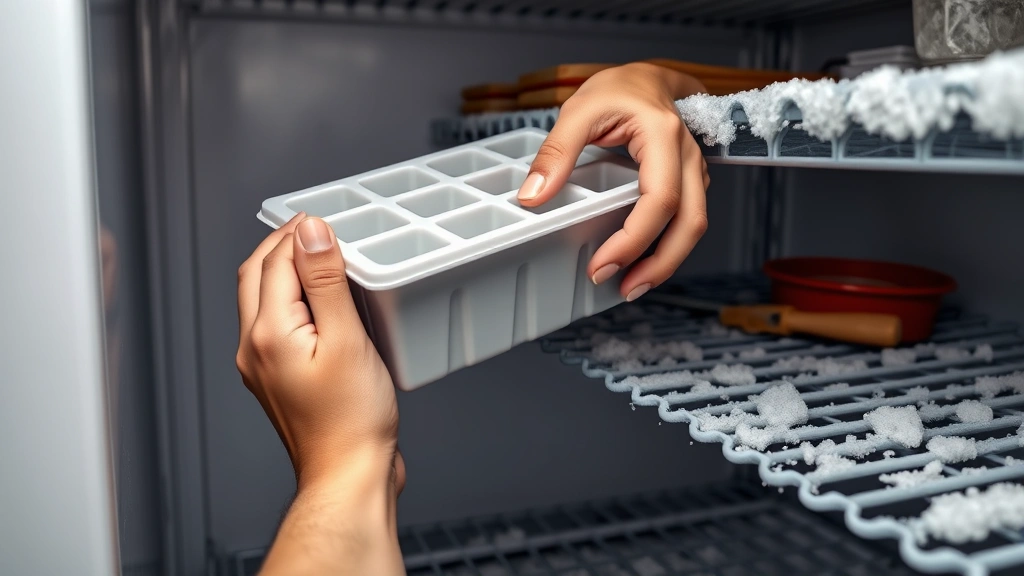
Pro tip: If you need ice fast, use silicone ice cube trays or molds that are shallow and wide rather than deep. Spread the water out, and you’ll cut freezing time in half.
Temperature Matters More Than You Think
Your freezer’s actual temperature is critical. Most home freezers are set to 0°F (-18°C), but many run warmer—sometimes as high as 5-10°F. At 10°F, freezing takes 50% longer than at 0°F. If your freezer is set to -4°F (colder than standard), water freezes noticeably faster.
Deep freezers, which maintain -4°F to -10°F, freeze water significantly faster than standard refrigerator freezers. Commercial freezers at -20°F or colder can freeze water in 1-2 hours.
Check your freezer’s temperature with an inexpensive thermometer. If it’s running warmer than 0°F, adjust it down. Just don’t go below -4°F unless you have a reason—it wastes energy and can affect food quality.
Speeding Up the Freezing Process
Sometimes you need ice fast, and waiting 6 hours isn’t an option. Here are legitimate ways to speed things up:
Use salt and ice: The old rock salt and ice method works. Layer ice and rock salt in a cooler with your water container. The salt lowers the freezing point of the ice, creating a super-cold brine that freezes water in 15-30 minutes. This is how ice cream makers work.
Freeze in shallow containers: Use a shallow pan or tray instead of a tall glass. More surface area exposed to cold air means faster freezing. This is the same principle used in commercial ice production.
Pre-chill your containers: Put empty ice cube trays in the freezer for 30 minutes before filling them. The head start helps.
Ensure good airflow: Don’t crowd your freezer. Leave space around containers so cold air circulates freely. A well-organized freezer freezes water 20-30% faster than a packed one.
Use distilled water: While minerals help nucleation, ultra-pure water in a very cold freezer can freeze slightly faster in some cases. It’s marginal, but it works.
Freezing Water Outdoors
If you live in a cold climate, outdoor freezing is a game-changer. At 20°F (-7°C), water freezes in about 2-3 hours. At 0°F (-18°C), it takes 1-2 hours. At -10°F (-23°C), you’re looking at 30-45 minutes for a standard glass.
Wind speed also matters. Moving air accelerates heat loss, so a windy 20°F day freezes water faster than a calm 20°F day. This is why we talk about wind chill—it’s a real phenomenon affecting freezing rates.
Outdoor freezing is practical for winter storage, but be aware that water expands as it freezes. If you’re freezing water in a sealed container, it can burst. Always leave headspace or use containers designed to accommodate expansion.
Preventing Frozen Pipes
Understanding freezing times helps prevent one of homeownership’s worst nightmares: frozen pipes. Water in pipes freezes faster than you’d think because pipes are often narrow, and moving water (or water in motion) can freeze at different rates than still water.
When outdoor temperatures drop below 20°F for extended periods, exposed pipes are at risk. Insulate them with foam pipe sleeves or heat tape. Keep cabinet doors under sinks open to allow warm air circulation. Let faucets drip slightly—moving water is harder to freeze. If you’re worried about a specific area, this is where understanding freezing dynamics becomes practical home maintenance.
For more on maintaining your home’s systems, check out our guide on how to clean your washing machine, which involves understanding water flow and temperature just like pipe protection does.
Frequently Asked Questions
How long does it take ice cubes to freeze?
Standard ice cube trays freeze solid in 4-6 hours at 0°F. Smaller cubes take 2-3 hours; larger molds take 8-12 hours. Most people leave trays overnight to ensure they’re completely solid.
Does hot water freeze faster than cold water?
The Mpemba effect suggests hot water can freeze faster in certain conditions, but it’s not reliable for everyday use. The effect depends on specific container shapes, freezer conditions, and water composition. For practical purposes, start with cold water—it’s more predictable.
Can water freeze below 32°F?
Pure water can remain liquid below 32°F if undisturbed (supercooling). However, tap water with minerals usually freezes at or very close to 32°F. Once nucleation begins, freezing happens rapidly.
Why does my freezer take so long to freeze water?
Common reasons include: freezer temperature set too warm (above 0°F), poor airflow due to crowding, freezer not running efficiently, or starting with very hot water. Check your freezer’s temperature and ensure it’s not overstuffed.
How long does it take to freeze a gallon of water?
A full gallon (128 ounces) takes 12-24 hours to freeze solid in a standard home freezer at 0°F, depending on the container shape and freezer efficiency. Wide, shallow containers freeze faster than tall, narrow ones.
Does salt speed up or slow down freezing?
Salt lowers water’s freezing point, which actually slows down freezing in your freezer. However, salt on ice creates a super-cold brine that can freeze water faster when used in a salt-and-ice bath outside the freezer.
Final Thoughts
Now you know: how long does it take water to freeze depends on temperature, container size, water purity, and airflow. In a standard home freezer, expect 3-4 hours for a glass, 4-6 hours for ice cubes, and 12-24 hours for a gallon. Outdoor freezing in cold climates can cut that time dramatically. Understanding these factors helps you plan parties, prevent frozen pipes, and work more efficiently in your kitchen and around your home. Next time you’re waiting for ice or worried about winter weather, you’ll know exactly what’s happening at the molecular level and how to speed things up or prevent problems altogether.


