
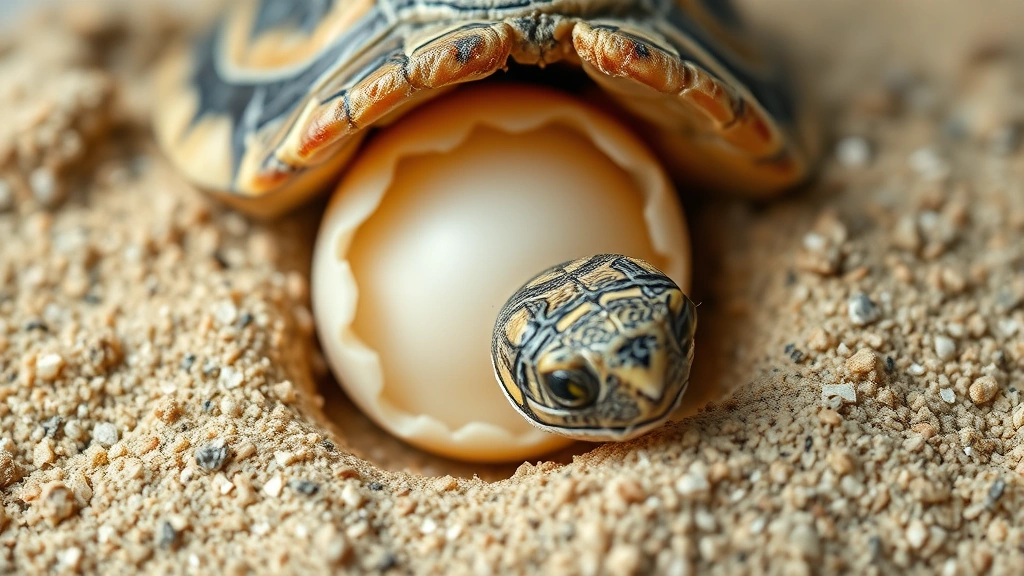
So you’re wondering how long does it take for turtle eggs to hatch? Whether you’re a curious nature enthusiast, a dedicated turtle keeper, or someone who’s stumbled upon a nest in your backyard, this is one of those questions that doesn’t have a one-size-fits-all answer. The incubation period varies wildly depending on the turtle species, temperature conditions, and environmental factors. Let me walk you through everything you need to know about turtle egg development, from the moment that egg is laid to the exciting day a tiny hatchling breaks free.
Table of Contents
Incubation Timeline Basics
The general answer: turtle eggs typically take anywhere from 60 to 120 days to hatch. But here’s where it gets interesting—some species can take even longer, stretching into 18 months in certain conditions. Most common pet turtle species fall into the 60-90 day range, which is manageable for folks keeping turtles in captivity. The red-eared slider, probably the most popular pet turtle, usually hatches in about 60-80 days under ideal conditions. Sea turtles? They’re a completely different ballgame, often taking 45-70 days depending on the species and beach conditions.
Temperature Matters Most
Here’s the deal: temperature is absolutely the kingpin factor in determining hatching time. Turtle eggs are temperature-dependent, meaning the warmer the incubation environment, the faster they develop. At around 80-85°F (27-29°C), you’re looking at faster development. Drop that to 75-78°F (24-26°C), and you’ll wait significantly longer. Go below 75°F, and development slows dramatically or stops altogether. Some species show something called temperature-dependent sex determination (TSD), where warmer temperatures produce females and cooler temperatures produce males. This is crucial if you’re intentionally breeding turtles. The sweet spot for most turtle species sits right around 80-84°F. Too hot (above 88°F), and you risk damaging the embryo. Too cold, and you’re playing the waiting game indefinitely.
Species Variations Explained
Different turtle species have wildly different incubation periods, and this is where knowing your specific turtle becomes essential. Red-eared sliders: 60-80 days. Painted turtles: 60-90 days. Box turtles: 70-120 days. Leopard tortoises: 120-150 days. Russian tortoises can take 90-120 days. Sulcata tortoises? Try 120-150 days or longer. Snapping turtles typically need 60-90 days. The larger the species, the longer the incubation generally takes. Sea turtles vary by species—leatherbacks take about 60-70 days, loggerheads need 45-60 days, and green sea turtles clock in around 48-55 days. If you’re keeping turtles and planning to breed, get the specific incubation data for your exact species before you start. Guessing is a recipe for disappointment.
Environmental Factors Impact
Temperature gets the headlines, but humidity is the unsung hero of successful turtle egg incubation. You need moisture levels between 80-90% relative humidity for most species. Too dry, and the egg loses water and shrivels. Too wet, and fungal infections take over. The substrate matters too—most folks use a mix of peat moss, vermiculite, or coconut husk to maintain proper moisture. Oxygen availability is another factor; eggs need to breathe, so the incubation medium shouldn’t be compacted. Light exposure? Turtle eggs don’t need it, and constant light can actually stress the developing embryo. Keep your incubation setup in a quiet, stable location away from vibrations and disturbances. Consistent conditions beat perfect conditions—fluctuations in temperature or humidity can extend the incubation period or cause developmental issues.
Nesting Behavior Patterns
Before we even get to incubation timing, let’s talk about nesting itself. Female turtles typically lay eggs during specific seasons. In temperate climates, this usually happens in late spring or early summer. A female will dig a nest chamber, deposit anywhere from 2-30 eggs (depending on species), cover it up, and leave. No parental care happens after that. The eggs then sit in the ground through the warm months, developing slowly. In some cases, particularly with box turtles and certain tortoises, eggs might not hatch until the following spring—a phenomenon called diapause, where the embryo enters a dormant state during cold months. This can extend the total timeline from egg-laying to hatching to 9-12 months or longer. If you’re collecting eggs for artificial incubation, timing matters. You want to move them within 24-48 hours of laying, before significant development occurs.
Hatching Process Breakdown
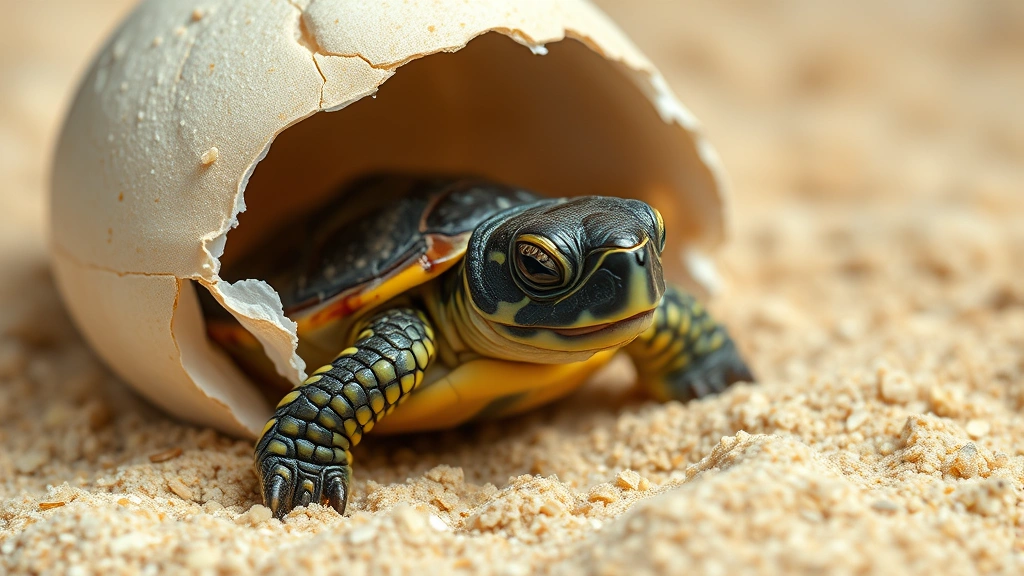
The actual hatching process is fascinating and takes several days. As the hatchling develops and grows inside the egg, it eventually fills most of the shell space. A few days before emergence, the hatchling absorbs the remaining egg yolk into its body—this yolk sac provides nutrition for the first days of life. The hatchling then positions itself near the air cell at the blunt end of the egg and starts breathing air instead of relying on the porous shell. This is called pipping the air cell. Then comes pipping the shell—the hatchling uses a special temporary tooth called a caruncle to crack through the shell. This first crack might appear 24-48 hours before the turtle actually exits. The hatchling rests between efforts, absorbing more yolk, gathering strength. Finally, it pushes out of the shell—this can take 12-24 hours from the first crack to full emergence. Don’t be tempted to help; interference usually causes problems.
Common Hatching Problems
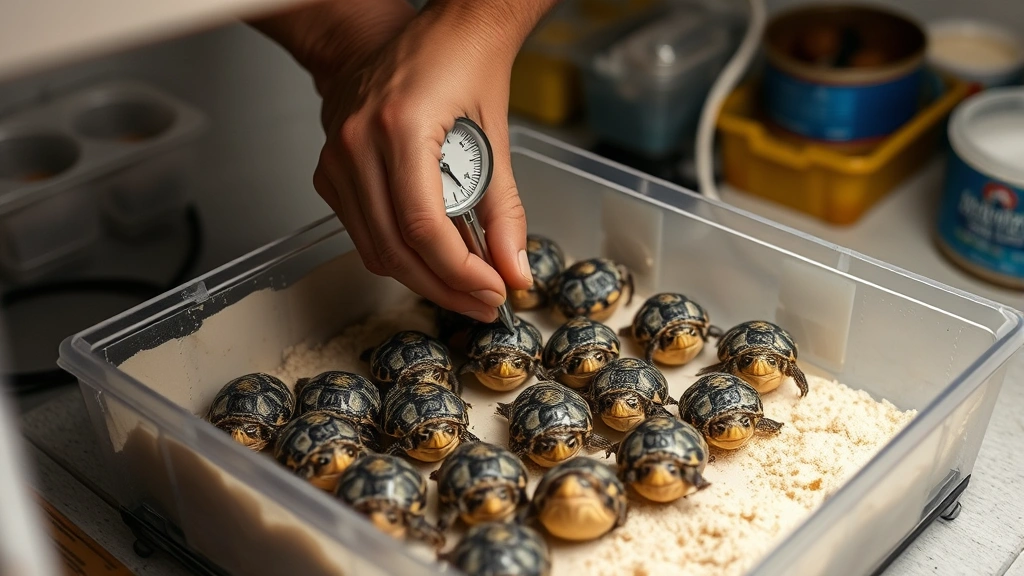
Not all eggs hatch successfully, and understanding common issues helps you troubleshoot. Infertile eggs never develop—they might look normal externally but contain no embryo. Candling (shining a light through the egg) after 7-10 days of incubation reveals whether an egg is developing. Fungal and bacterial infections kill developing embryos, usually caused by excess moisture or contamination. You’ll see mold growth on the shell. Improper temperature causes developmental abnormalities or death—too hot and organs develop incorrectly, too cold and development stalls. Dehydration happens when humidity is too low; the egg shrinks and the hatchling can’t develop properly. Stuck hatchlings occasionally happen when the egg doesn’t pip properly or the hatchling is too weak. If you see a hatchling struggling for more than 24 hours after the first crack, you might need to carefully assist, but this should be rare with proper incubation conditions. Keep detailed records of temperature and humidity throughout incubation—patterns in failed eggs often reveal what went wrong.
Caring for Hatchlings
Once your hatchlings emerge, the work doesn’t stop. Newborn turtles are incredibly vulnerable. Keep them in a separate enclosure from adults—larger turtles will eat them without hesitation. Provide shallow water (just deep enough for drinking and soaking), basking areas with proper heat lamps (85-90°F for most species), and UVB lighting for calcium metabolism. Feed them small, appropriately-sized food—commercial hatchling pellets, small insects, or finely chopped vegetables depending on species. Most hatchlings are omnivorous or carnivorous early on, shifting to more herbivory as they mature. Keep water clean and change it daily; hatchlings are messy eaters and produce waste quickly. Maintain humidity at 60-80% depending on species. Monitor for shell deformities or infections. The first year is critical for survival and proper development. Many hatchlings don’t make it in the wild, but in captivity with proper care, survival rates are much higher. As your hatchlings grow over the next 3-5 years, they’ll gradually transition to adult-sized housing and feeding schedules.
Frequently Asked Questions
Can you speed up turtle egg hatching?
Not really, and you shouldn’t try. Increasing temperature beyond the species’ optimal range (usually 80-85°F) can cause developmental problems or kill the embryo. The incubation period is what it is for that species. Patience is your friend here.
What temperature kills turtle eggs?
Sustained temperatures above 88-90°F can damage developing embryos. Below 75°F, development slows dramatically or stops. Freezing temperatures will kill eggs. Extreme fluctuations are also harmful.
Do turtle eggs need light to hatch?
No. Turtle eggs develop fine in complete darkness. Light exposure isn’t necessary and can actually stress the developing embryo. Keep your incubation area dim.
How do you know if a turtle egg is alive?
Candling after 7-10 days of incubation shows blood vessels and a dark embryo if the egg is developing. Infertile eggs remain clear. You can also listen for movement or feel slight weight shifts, but candling is the reliable method.
Can turtle eggs hatch without heat?
Yes, but it takes much longer. Outdoor nests rely on ambient temperature, which can extend incubation to 120+ days depending on climate. Artificial incubation with controlled heat speeds things up significantly.
Why aren’t my turtle eggs hatching?
Common culprits: improper temperature (too hot or too cold), incorrect humidity (too dry or too wet), infertile eggs, fungal infection, or eggs that were moved or rotated improperly. Check your incubation conditions first, then examine eggs for mold or discoloration.
For more detailed information on breeding timelines, check out our guide on how long does it take to become a pharmacist for patience-testing processes, or explore how to get villagers to mate in Minecraft for another breeding scenario. For temperature-dependent processes, see our article on how long semaglutide takes to suppress appetite.
For authoritative information on reptile care, visit Family Handyman’s pet care section, This Old House’s animal husbandry guides, and Bob Vila’s comprehensive pet keeping resources.


