
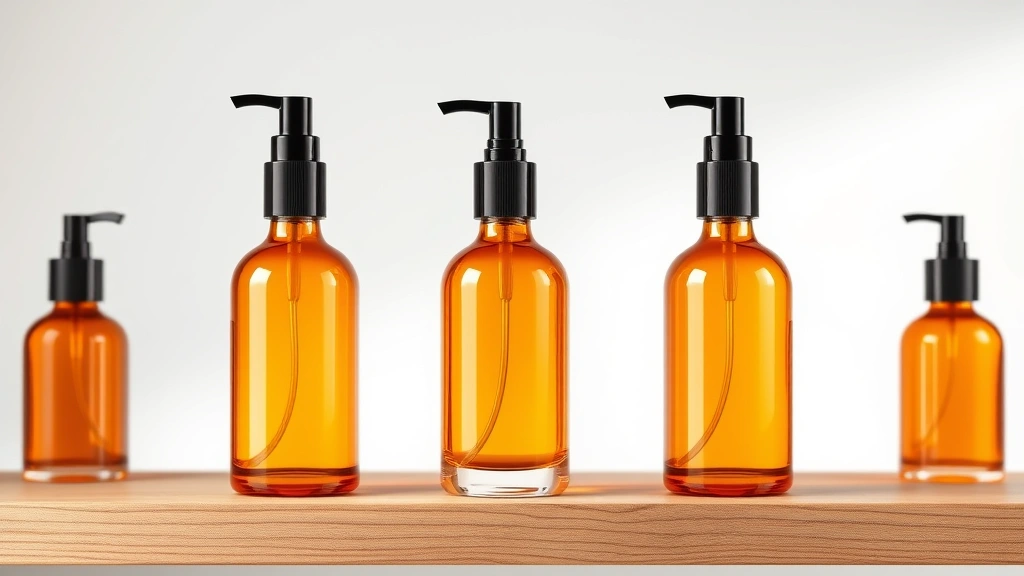
Learning how to produce perfume is easier than you’d think—and way more rewarding than buying the same mass-market bottle everyone else has. Whether you’re looking to craft signature scents for yourself or launch a small fragrance business, this guide walks you through the entire process from raw materials to finished product.
Table of Contents
Understanding Perfume Basics
Before diving into the actual production, you need to understand what you’re making. Perfume—or parfum—is a concentrated fragrance solution containing 20-40% fragrance oils dissolved in alcohol. This differs from eau de toilette (5-15% fragrance) and eau de cologne (2-5% fragrance). The higher the concentration, the longer your scent lasts and the more potent it becomes.
The three-tier structure of any fragrance includes top notes (the first impression, lasting 5-15 minutes), heart notes or middle notes (the main body, lasting 1-5 hours), and base notes (the foundation, lasting 6+ hours). Understanding this pyramid is crucial when you’re deciding how to produce perfume that actually performs well on skin.
Gathering Essential Materials
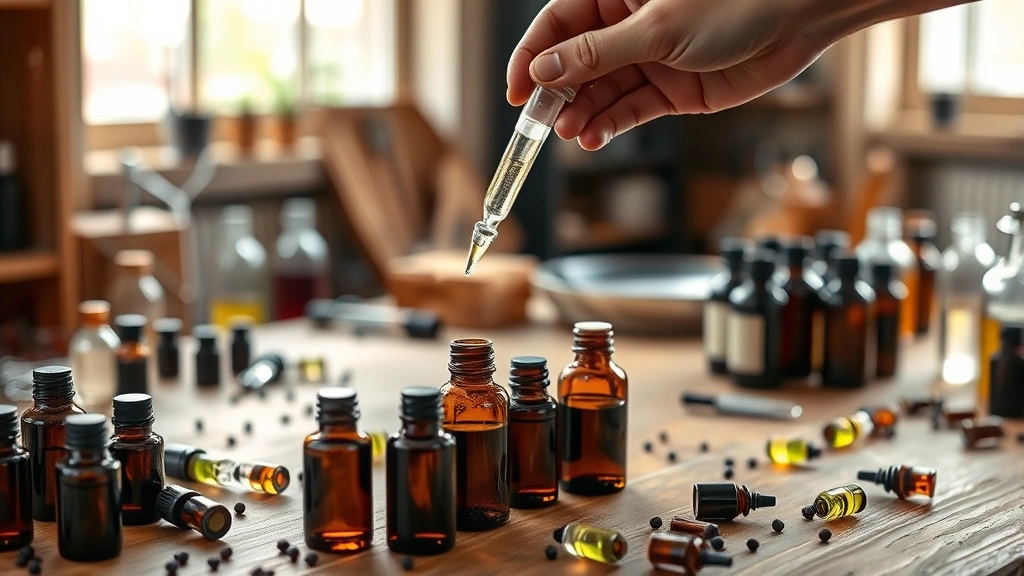
You don’t need fancy lab equipment to start. Here’s what you’ll actually need:
- Fragrance oils or essential oils (your scent building blocks)
- Perfumer’s alcohol (typically 95% ethanol or high-proof vodka)
- Glass bottles (dark glass protects fragrance from UV damage)
- Measuring tools (pipettes, syringes, or graduated cylinders for accuracy)
- Mixing containers (glass beakers or jars)
- Funnels and filters (coffee filters or cheesecloth work fine)
- Labels and caps (for identification and storage)
Buy your fragrance oils from reputable suppliers—quality matters here. Check out resources like Family Handyman for workshop setup tips if you’re creating a dedicated fragrance station at home.
Choosing Fragrance Notes
This is where the art happens. Top notes might include citrus, herbs, or spices—think lemon, bergamot, or black pepper. Heart notes carry the emotional weight: florals like rose, jasmine, or gardenia, or spices like cinnamon and cardamom. Base notes provide staying power: woods, musks, vanilla, amber, or resins.
A classic formula uses roughly 20% top notes, 50% heart notes, and 30% base notes by volume. But honestly, start by playing around. Blend a few drops of different oils on a test strip and see what speaks to you. There’s no wrong combination—only unexpected ones.
Blending Your Signature Scent
Here’s the practical process: Start with small batches. Mix 10ml of alcohol with 2-3 drops of your base note oil. Add 4-5 drops of your heart note, then 1-2 drops of your top note. Stir gently and let it sit for 24 hours. Smell it again—your nose will have adjusted and you’ll get a truer sense of the blend.
Use a notebook to track every combination you create. Write down exact drop counts and dates. This becomes your formula bible if you find a blend you love. When learning how to produce perfume at scale, these notes prevent you from recreating the wheel every time.
Don’t overthink ratios at first. The beauty of home perfume production is experimentation. Some people prefer stronger florals, others want subtle woody undertones. Your nose is the best guide.
Maceration Process Explained
Maceration is the steeping process where fragrance oils fully integrate with alcohol. After blending, seal your mixture in a dark glass bottle and store it in a cool, dark place—a closet works perfectly. This is where patience pays off.
The maceration timeline varies: some blends stabilize in 48 hours, others need 2-4 weeks for full development. Complex fragrances with multiple notes benefit from longer maceration. During this time, the alcohol extracts more nuance from the oils, and the overall scent becomes more harmonious and refined.
Check your blend every few days by opening the cap and smelling—don’t open constantly or you’ll disrupt the process. You’ll notice the scent evolving, becoming rounder and more sophisticated as days pass.
Filtering and Bottling
Once maceration is complete, filter your perfume to remove any particulates or residue. Strain through a coffee filter or fine cheesecloth into a clean glass container. This step isn’t strictly necessary if you used pure oils, but it ensures a crystal-clear final product.
Use a funnel to pour your finished perfume into dark glass bottles with tight-fitting caps. Leave a small air gap at the top—about a quarter inch. This prevents pressure buildup and allows for natural settling. Label everything with the date, fragrance name, and key ingredients.
If you’re serious about production, invest in a quality bottling setup. Even small amber bottles with atomizers look professional and protect your creation from light exposure.
Aging Your Perfume
After bottling, your perfume isn’t finished. It needs to age, similar to how wine develops complexity. Store bottles in a cool, dark location—ideally between 55-70°F. A basement, closet, or cabinet works great. Avoid direct sunlight and temperature fluctuations.
During aging (typically 2-6 weeks), the fragrance continues to marry and mature. The top notes may soften slightly, the heart notes become more pronounced, and the base notes anchor everything more firmly. Many perfumers swear that aged fragrances smell significantly better than fresh blends.
This waiting period tests your patience, but it’s essential for professional-quality results. Think of it as the difference between fresh bread and artisan bread—both are bread, but one has depth.
Testing and Adjusting
Once aged, test your perfume on skin. Apply a small amount to your wrist or neck and observe how it evolves over several hours. Does the top note fade too quickly? Do you wish the floral was stronger? This feedback loop helps you refine future batches.
Keep a testing journal. Note how the fragrance performed, how long it lasted, and whether you’d adjust anything. Did the heart note disappear too fast? Maybe increase it by 10% next time. Was the base note overwhelming? Dial it back slightly.
Have friends test it too—their skin chemistry will interact differently with your perfume. What smells perfect on you might need tweaking for someone else. Gather feedback and iterate. This is how professional perfumers develop signature scents.
Storage and Shelf Life
Proper storage extends your perfume’s life significantly. Keep bottles in cool, dark conditions away from heat, light, and humidity. Dark glass protects against UV damage. Tight caps prevent alcohol evaporation. Under ideal conditions, perfume lasts 3-5 years, sometimes longer.
Never store perfume in the bathroom—humidity and temperature swings degrade fragrance oils. A bedroom closet, pantry shelf, or wine fridge are excellent choices. If you’re producing perfume for sale or gifts, customers will appreciate guidance on proper storage.
Check your bottles occasionally. If the scent weakens noticeably or smells off, it’s time to make a fresh batch. Oxidation and evaporation happen slowly, but they do happen.
Scaling Production
Once you’ve mastered small batches, scaling up is straightforward. Keep your formula consistent and invest in better equipment: graduated cylinders for precise measurements, larger glass containers for blending, and a labeling system for inventory.
If you’re considering selling, research local regulations. Some areas require licensing or compliance with FDA guidelines for cosmetic products. Check FDA guidelines on cosmetic manufacturing to understand what applies to your operation.
Many home perfumers start by gifting their creations, then gradually build a customer base through word-of-mouth. Quality and consistency matter more than volume. A small batch of exceptional perfume beats mass production every time.
Frequently Asked Questions
Can I use essential oils instead of fragrance oils?
Yes, absolutely. Essential oils are more expensive and sometimes more volatile, but they create beautiful natural fragrances. Mix them the same way as fragrance oils. Some people prefer the authenticity of pure botanicals, while others find fragrance oils offer better longevity and consistency.
How much perfume should I make in my first batch?
Start small—10-30ml total. This lets you experiment without wasting materials. Once you find a formula you love, scale up gradually. A 30ml batch costs maybe $3-5 in materials and teaches you the entire process without significant investment.
What’s the difference between perfume and cologne?
Concentration. Perfume (parfum) has 20-40% fragrance oils, cologne has 2-5%. Perfume lasts longer and costs more to produce. When learning how to produce perfume, you’re making the premium product. Cologne uses the same techniques but with lower oil concentrations.
Do I need special equipment?
Not really. A kitchen scale, pipettes, glass jars, and dark bottles are sufficient. As you get serious, invest in graduated cylinders, funnels, and proper storage containers. But the fundamentals work with basic household items.
How long does maceration take?
Typically 48 hours to 4 weeks. Simpler blends with fewer notes macerate faster. Complex fragrances benefit from longer steeping. Your nose tells you when it’s ready—the scent becomes more harmonious and less sharp.
Can I speed up the maceration process?
Gently warming your blend (never above 100°F) can accelerate integration, but it risks volatilizing some top notes. Patience is genuinely faster. The extra week of waiting produces better results than rushing.
Final Thoughts
Learning how to produce perfume connects you to a craft that blends chemistry, art, and intuition. Your first batch might not be perfect—and that’s okay. Each blend teaches you something about how notes interact, how alcohol carries scent, and what your preferences actually are versus what marketing told you they should be.
Start with a simple three-note blend. Master the maceration and aging process. Test thoroughly. Adjust based on results. Within a few batches, you’ll create fragrances that rival commercial options at a fraction of the cost. More importantly, they’ll be uniquely yours—scents that tell your story rather than someone else’s marketing narrative. That’s the real reward of home perfume production.


