
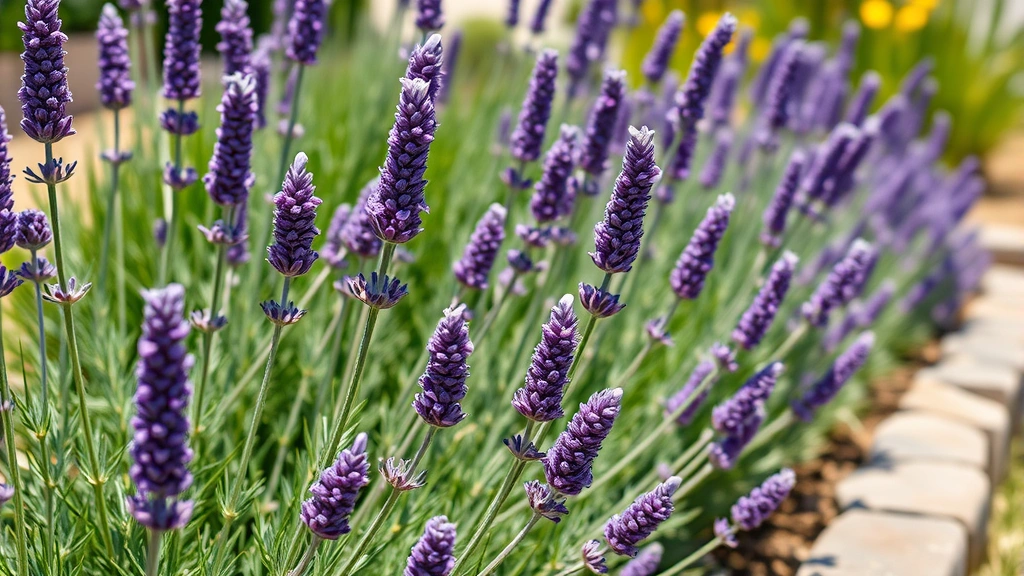
Learning lavender how to grow and use this versatile plant transforms your garden and home into a fragrant sanctuary. Whether you’re a seasoned gardener or picking up pruners for the first time, lavender is one of those forgiving plants that rewards minimal effort with maximum beauty and utility. In this guide, I’ll walk you through everything from planting your first seedlings to harvesting blooms and creating your own lavender products.
Table of Contents
Choosing Your Lavender Variety
Not all lavender is created equal, and picking the right variety makes the difference between a thriving plant and a struggling one. The three main types you’ll encounter are English lavender (Lavandula angustifolia), French lavender (Lavandula stoechas), and Spanish lavender (Lavandula latifolia). English lavender is the hardiest and most cold-tolerant, making it ideal for northern climates. It flowers reliably and produces that classic fragrance everyone associates with the plant. French and Spanish varieties offer showier blooms with unique petal formations, but they’re less cold-hardy and better suited to warmer zones.
I typically recommend starting with English lavender if you’re new to growing these plants. Varieties like ‘Hidcote’ and ‘Munstead’ are bulletproof performers that handle neglect better than their fancier cousins. They’ll survive winter in zones 5-9, flower prolifically, and produce abundant blooms for drying and crafting.
Planting Lavender for Success
The secret to thriving lavender starts before you even dig a hole. These plants despise wet feet, so soil drainage is non-negotiable. If you’re working with heavy clay, amend it generously with coarse sand, perlite, or gravel. Aim for a soil pH between 6.5 and 7.5, though lavender tolerates slightly alkaline conditions beautifully. You can test your soil pH with an inexpensive kit from any garden center.
Plant lavender in spring after the last frost date in your area. Space plants 18-24 inches apart to allow for mature growth and air circulation. Position them in full sun—at least 6-8 hours daily, though 8+ is better. When you dig the planting hole, make it slightly wider than the root ball but no deeper. Backfill with amended soil and water thoroughly once. After that initial watering, hold back on water until the plant is established, which typically takes 2-3 weeks.
Watering and Maintenance Basics
Once established, lavender is remarkably drought-tolerant. In fact, overwatering is the number-one killer of lavender plants. Water deeply but infrequently—only when the top inch of soil feels dry. During the growing season, this might mean watering once weekly. In winter or during rainy periods, you may not need to water at all. Think about how this plant survives in Mediterranean climates with minimal rainfall.
Pruning keeps plants compact and flowering heavily. In early spring, cut back about one-third of the plant’s height before new growth emerges. After the first bloom flush in early summer, deadhead spent flowers to encourage a second round of blooms. In late summer or early fall, do a more substantial pruning, removing up to one-third of the plant again. Never cut into old woody growth—lavender doesn’t regenerate well from there.
Harvesting Lavender Blooms
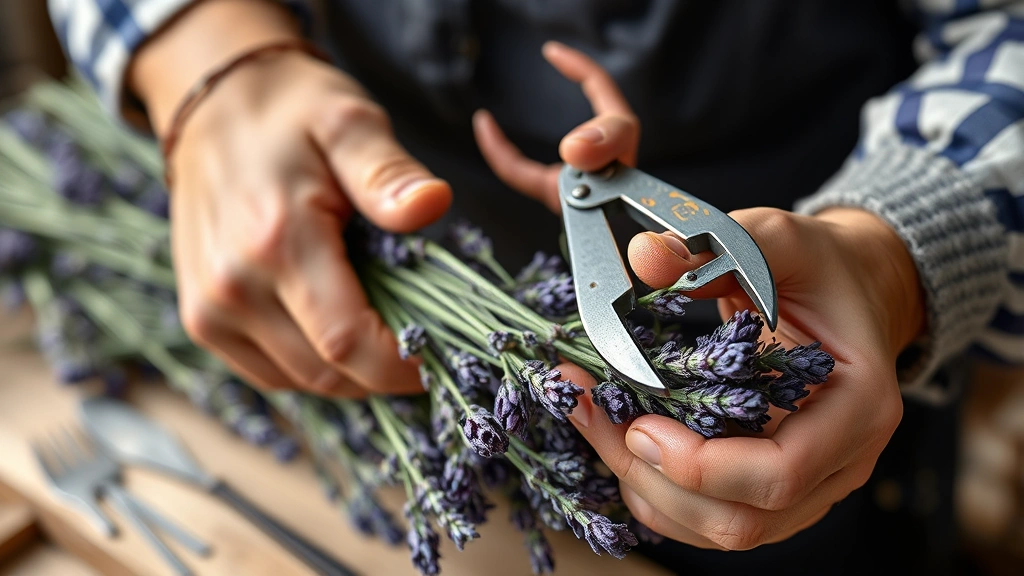
Timing your harvest affects both fragrance intensity and drying quality. The ideal window is when flowers are fully colored but before they fully open—usually mid to late morning after dew dries but before afternoon heat peaks. At this stage, the essential oils are most concentrated. Use sharp pruning shears or scissors to cut stems about 6-8 inches long, leaving plenty of foliage on the plant for continued growth.
Harvest regularly throughout the blooming season. This encourages more flowers and keeps plants looking tidy. You can harvest from established plants (2+ years old) quite aggressively without harming them. First-year plants should be harvested lightly to allow root establishment. A single mature plant can produce enough blooms for personal use plus plenty for gifting or selling.
Drying Lavender Properly
Drying lavender is straightforward and requires no special equipment. Bundle stems together with twine or a rubber band—make bundles about 1-2 inches in diameter so air circulates through the center. Hang bundles upside down in a warm, dry, well-ventilated space away from direct sunlight. A garage, attic, or shed works perfectly. Avoid humid areas like bathrooms, which slow drying and invite mold.
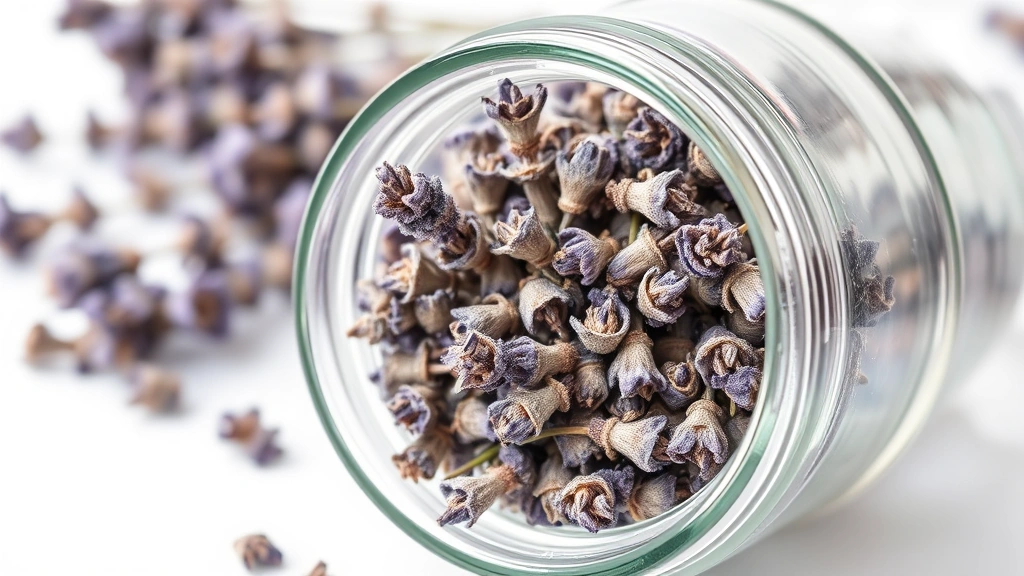
Drying typically takes 2-3 weeks depending on humidity and temperature. You’ll know lavender is fully dry when stems are crispy and flowers don’t release moisture when squeezed. Once dry, strip flowers from stems by running your fingers down the stem or gently rubbing bundles over a cloth. Store dried lavender in airtight containers away from light and heat. Properly dried and stored lavender maintains fragrance for 1-2 years.
Lavender Culinary Uses
Culinary lavender adds a sophisticated floral note to sweet and savory dishes alike. Use only flowers, not stems, and ensure you’re using a culinary variety like English lavender. A little goes a long way—the flavor is potent. Start with just a few flowers and taste as you go. Lavender pairs beautifully with honey, lemon, cream, and chocolate. Try adding a few flowers to shortbread cookies, infusing honey for drizzling over yogurt, or steeping flowers for a calming tea.
For lavender tea, use about 1 teaspoon of dried flowers per cup of hot water. Steep for 5-10 minutes and strain. The flavor is subtle and slightly sweet with a distinctive herbal character. Some people find it relaxing before bed, though the science on this is mixed. For cooking, remember that heat can make lavender taste slightly bitter, so add it toward the end of cooking when possible, or use it in cold preparations like infused oils or vinegars.
Making Lavender Products at Home
Beyond tea and cooking, dried lavender is the starting material for countless homemade products. Lavender sachets are the simplest project—just fill small fabric pouches with dried flowers and tie closed. Toss them in drawers, closets, or under pillows. For a step up, make lavender-infused oil by packing a jar with dried flowers and covering with carrier oil like sweet almond or jojoba oil. Let it sit in a cool, dark place for 2-3 weeks, strain, and use for massage, bath soaks, or as a base for homemade skincare products.
Lavender simple syrup is another crowd-pleaser. Combine equal parts sugar and water in a saucepan, heat until sugar dissolves, add a handful of dried flowers, remove from heat, and let steep for 30 minutes. Strain and bottle. Use it in cocktails, lemonade, or drizzle over desserts. If you’re interested in soap or candle making, lavender essential oil or dried flowers are essential ingredients. These projects require more specialized knowledge, but numerous detailed guides are available online for the ambitious crafter.
Troubleshooting Common Issues
Root rot from overwatering is the most common problem. If plants look wilted despite moist soil, suspect root rot. The only solution is to replant in fresh, well-draining soil. Powdery mildew occasionally appears in humid conditions—improve air circulation and avoid overhead watering. Spider mites and aphids are rare on healthy plants but can appear in stressed ones. A strong spray from the hose usually dislodges them.
If your lavender isn’t flowering, the culprit is usually insufficient light or too much nitrogen fertilizer. Lavender doesn’t need feeding—in fact, rich soil encourages foliage at the expense of flowers. If you must fertilize, use a low-nitrogen formula in spring only. Leggy, sparse plants indicate inadequate pruning or insufficient light. Move the plant to a sunnier location or prune more aggressively in spring to encourage bushier growth.
Frequently Asked Questions
Can I grow lavender indoors?
Technically yes, but it’s challenging. Lavender needs intense light (12+ hours daily) and excellent air circulation, which most indoor environments can’t provide. If you want to try, use a south-facing window with supplemental grow lights and ensure a small fan provides air movement. Water sparingly and don’t expect the same vigor as outdoor plants.
How long do lavender plants live?
Well-maintained lavender plants typically live 5-10 years, with some reaching 15+ years. Proper pruning, good drainage, and avoiding overwatering extend their lifespan significantly. Eventually, plants become woody and less productive, at which point it’s time to replace them.
Is all lavender safe to eat?
No. Only culinary varieties like English lavender (Lavandula angustifolia) are food-safe. Ornamental varieties, French lavender, and those treated with pesticides should never be eaten. Always verify your source before consuming lavender.
When’s the best time to plant lavender?
Spring is ideal in cold climates, allowing plants to establish before winter. In mild climates, fall planting works well too. Avoid planting in summer heat or late fall when plants won’t have time to establish before winter.
Do I need to deadhead lavender?
Deadheading encourages a second bloom flush and keeps plants looking neat, but it’s not essential for plant health. If you’re harvesting flowers regularly, you’re already deadheading. Ornamental plants benefit from deadheading for appearance.
Can lavender grow in pots?
Yes, absolutely. Use a pot with drainage holes and fill with cactus or succulent potting mix. Container lavender needs more frequent watering than in-ground plants but dries out quickly, making overwatering less likely. Bring potted plants indoors in harsh winters if you’re in a cold climate.
Your Lavender Journey Starts Now
Learning lavender how to grow and use this remarkable plant opens doors to a more fragrant, beautiful home and garden. Start with a hardy English variety, nail the basics of drainage and sunlight, and you’ll have a productive plant for years. Whether you’re drying blooms for sachets, brewing tea, or experimenting with culinary creations, lavender rewards attention with abundance. The beauty of this plant is that it thrives on neglect—once established, it asks for almost nothing while giving back generously. Visit Family Handyman for more gardening projects, check This Old House for comprehensive growing guides, and explore Bob Vila for tool recommendations for your garden work. Your future self will thank you for planting lavender today.


