
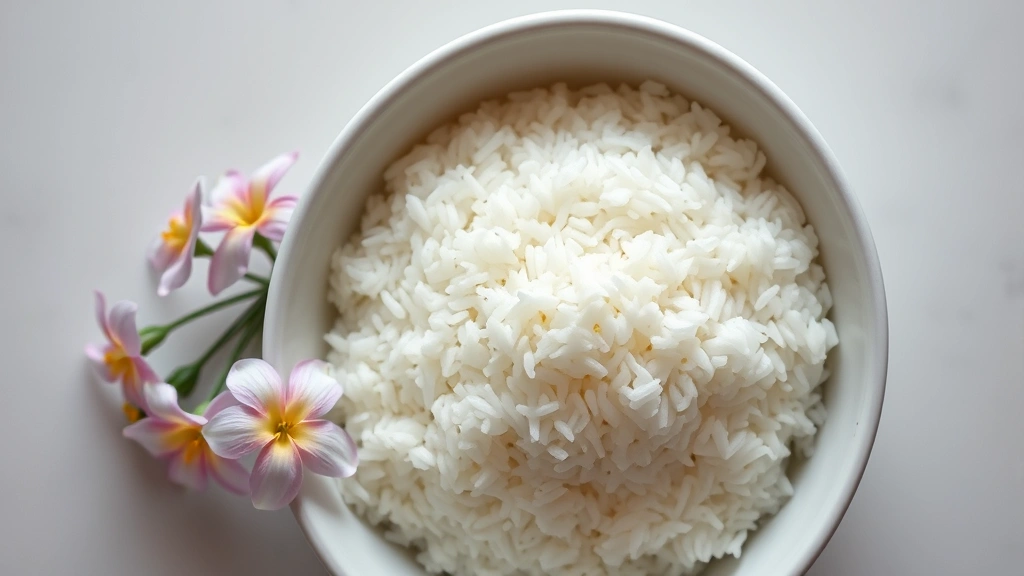
If you’re looking for jasmine rice recipes that’ll transform your weeknight dinners, you’ve landed in the right spot. This fragrant, delicate grain is a game-changer in the kitchen, and I’m about to show you exactly how to make it shine in ten different ways that’ll have your family asking for seconds.
Table of Contents
Perfect Jasmine Rice Basics
Before we dive into the creative stuff, let’s nail down the fundamentals. Jasmine rice is a long-grain variety that comes from Thailand, and it’s got this naturally sweet, slightly floral aroma that makes everything taste better. The key to perfect jasmine rice every single time is the water-to-rice ratio and keeping your hands off it while it cooks.
The golden rule: one cup of jasmine rice to one and a quarter cups of water. Rinse your rice under cold water first—this removes excess starch and prevents that gummy texture. Use a fine-mesh strainer and run water over it while stirring gently with your fingers until the water runs mostly clear. Trust me, this step makes a real difference.
Bring your water to a boil in a pot, add your rinsed rice and a pinch of salt, then reduce heat to low. Cover with a tight-fitting lid and let it sit for 15 minutes. Don’t peek, don’t stir—just let it do its thing. After 15 minutes, fluff it with a fork and you’re golden.
Jasmine Fried Rice Magic
Here’s where jasmine rice really shines—fried rice. The secret that most people miss is using day-old rice. Fresh rice is too moist and sticky; cold rice from the fridge separates beautifully when it hits the hot pan. If you’re in a hurry, you can spread hot rice on a baking sheet and stick it in the freezer for 20 minutes.
Heat a wok or large skillet over high heat with a couple tablespoons of oil. Scramble 2-3 eggs, push them to the side, then add minced garlic and ginger. Toss in your cold jasmine rice, breaking up any clumps with your spatula. Keep the heat high and keep moving everything around—this is where the wok technique matters. Add soy sauce, sesame oil, and whatever vegetables you’ve got: carrots, peas, green onions, bell peppers. The whole operation takes about 5 minutes.
Pro tip: finish with a drizzle of sesame oil and fresh cilantro. If you want to pair this with vegetables, check out our guide on how to steam broccoli in microwave for a quick side dish that complements fried rice perfectly.
Coconut Jasmine Rice Bowl
This one’s a crowd-pleaser and tastes like you spent way more time on it than you actually did. Replace half your cooking liquid with coconut milk, and suddenly you’ve got something restaurant-quality happening in your kitchen.
For every cup of jasmine rice, use three-quarters cup water and half a cup of coconut milk. Add a tablespoon of sugar, a teaspoon of salt, and maybe a strip of lime zest while it cooks. The rice absorbs all those tropical flavors and becomes slightly creamy. When it’s done, fluff it and serve it alongside grilled chicken, shrimp, or roasted vegetables.
The beauty of coconut jasmine rice is its versatility. It works as a base for curry dishes, pairs beautifully with grilled fish, or stands on its own as a side that makes everything taste better. You can also use it in Buddha bowls with roasted chickpeas, avocado, and a tahini dressing.
Garlic Butter Jasmine Rice
Sometimes simple is best. While your jasmine rice cooks normally, melt about three tablespoons of butter in a small pan and add minced garlic—we’re talking 4-5 cloves, minced fine. Let it bubble gently for a minute until fragrant, then pour it over your finished rice and toss gently.
This is your secret weapon for making any meal feel elevated. The garlic infuses the rice with savory depth, and the butter adds richness without being heavy. Finish with fresh parsley or chives if you’ve got them. It’s the kind of side dish that makes people ask what you did differently.
Jasmine Rice Pilaf Variations
Pilaf is just a fancy way of saying you’re toasting your rice before cooking it, which adds a nutty flavor. Heat a couple tablespoons of oil or butter in your pot, add your uncooked jasmine rice, and stir it around for 2-3 minutes until it smells toasty. Then add your liquid and proceed as normal.
For a vegetable pilaf, sauté diced onion and bell peppers before adding the rice. Add chicken or vegetable broth instead of water for more flavor. Toss in some nuts—toasted almonds or cashews work great—and dried fruit like raisins or cranberries. You can also add fresh herbs like thyme or bay leaves while it cooks.
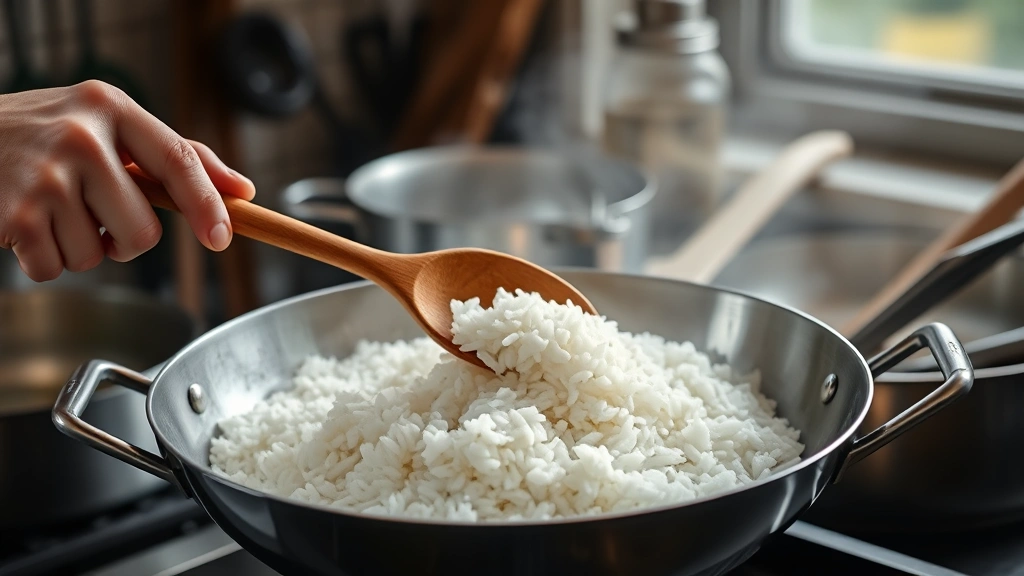
The pilaf method works with any flavor profile you’re craving. Mediterranean style with sun-dried tomatoes and olives, Indian-inspired with cumin and turmeric, or Middle Eastern with cinnamon and pine nuts. The possibilities are genuinely endless.
Thai-Inspired Jasmine Dishes
Since jasmine rice is literally from Thailand, it makes sense to lean into Thai flavors. Cook your jasmine rice normally, then serve it alongside Thai curries—red, green, or yellow. The rice soaks up all that coconut-based sauce and balances the heat beautifully.
For a quick Thai-inspired bowl, top your jasmine rice with stir-fried vegetables, a protein of your choice, and a drizzle of fish sauce mixed with lime juice and a touch of sugar. Add some fresh basil, cilantro, and crushed peanuts. It’s authentic, it’s delicious, and it’s ready in 20 minutes.
You can also make a Thai rice soup by simmering jasmine rice in chicken broth with ginger, garlic, and a splash of coconut milk. Add shredded chicken, mushrooms, and finish with lime juice and fresh herbs. It’s comfort food that feels fancy.
Jasmine Rice Salad Ideas
Cold jasmine rice salad is perfect for meal prep or potlucks. Cook your rice, spread it on a baking sheet to cool, then toss it with a simple vinaigrette made from rice vinegar, sesame oil, and a touch of soy sauce.
Add whatever vegetables you like raw or lightly cooked: cucumber, tomatoes, bell peppers, shredded carrots, corn. Toss in some herbs—mint, cilantro, or basil depending on your flavor direction. Add a protein like shredded chicken, tofu, or canned chickpeas. The combination of jasmine rice recipes that work as salads is honestly limited only by your imagination.
Make it a day ahead if you can—the flavors meld together beautifully, and you’ve got lunch sorted for the week. Just keep the dressing separate until you’re ready to eat if you’re storing it.
Pressure Cooker Method
If you’ve got an Instant Pot or pressure cooker, jasmine rice becomes ridiculously convenient. Use a 1:1 ratio of rice to water (not the normal 1:1.25). Add your rinsed rice and water, seal the lid, and cook on high pressure for 3 minutes. Let the pressure release naturally for 10 minutes, then quick release any remaining pressure.
The advantage here is speed and consistency. You can have perfect jasmine rice in about 15 minutes total, and it comes out fluffy every single time. The pressure cooker is also great for batch cooking—make a big batch on Sunday and you’ve got rice ready for multiple meals throughout the week.
Buddha Bowl Combinations
Jasmine rice is the perfect base for Buddha bowls because it’s neutral enough to work with any flavor profile but flavorful enough to stand on its own. Start with a base of jasmine rice, then build your bowl with roasted vegetables, a protein, healthy fats, and a sauce.
For a Mediterranean bowl: jasmine rice, roasted chickpeas, cucumber, tomatoes, red onion, olives, feta cheese, and a lemon-tahini dressing. For an Asian-inspired bowl: jasmine rice, grilled tofu or shrimp, steamed broccoli (you can reference our microwave steaming technique), shredded carrots, edamame, and a ginger-sesame dressing.
The key to a great Buddha bowl is balance—you want texture contrast, color variety, and a mix of nutrients. Jasmine rice provides the foundation that ties everything together. Make these on Sunday and you’ve got healthy lunches ready to grab all week.
Storage and Make-Ahead Tips
Cooked jasmine rice keeps in the refrigerator for up to five days in an airtight container. You can also freeze it for up to three months. Reheat it gently with a splash of water in a pot over low heat, or microwave it with a damp paper towel on top to restore moisture.
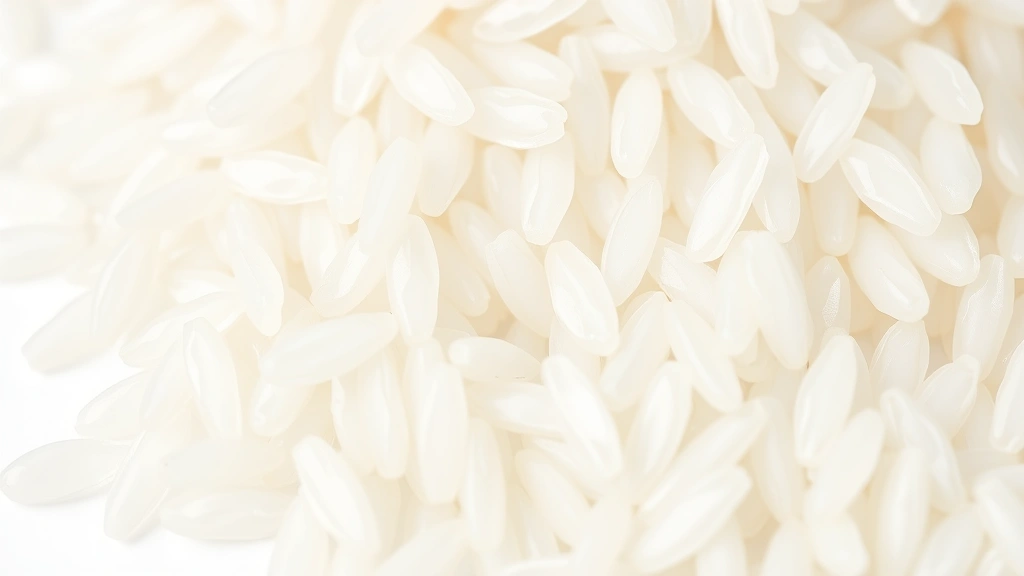
Uncooked jasmine rice lasts for years in a cool, dry pantry. Store it in an airtight container to keep out moisture and pests. If you buy in bulk, consider keeping some in the freezer to maintain freshness.
Frequently Asked Questions
What’s the difference between jasmine rice and regular white rice?
Jasmine rice has a naturally sweet, slightly floral aroma and softer texture than regular long-grain white rice. It’s also stickier when cooked, which makes it ideal for eating with chopsticks or using in Asian dishes. The flavor is more delicate and aromatic.
Can I use jasmine rice recipes with brown jasmine rice?
Absolutely, but brown jasmine rice requires more water and longer cooking time—about 1:2 ratio and 30-40 minutes instead of 15. The nuttier flavor works beautifully in pilafs and salads, though it won’t have quite the same delicate aroma as white jasmine rice.
Do I always need to rinse jasmine rice?
It’s not absolutely necessary, but rinsing removes excess starch and gives you fluffier, less gummy rice. If you skip rinsing, add a tiny bit less water since you’re not removing that starch. I always rinse because the improvement is noticeable.
How do I fix mushy jasmine rice?
If your rice came out mushy, you either used too much water or cooked it too long. Next time, use the exact 1:1.25 ratio and set a timer for 15 minutes. If you’re already stuck with mushy rice, spread it on a baking sheet and let it dry out in a low oven, then use it for fried rice where the texture is less critical.
Can I make jasmine rice in a rice cooker?
Yes! Rice cookers are specifically designed for this. Use the same 1:1.25 ratio, rinse your rice, and let the cooker do its thing. Most rice cookers have a setting specifically for jasmine rice, and you’ll get consistent results every time.
What proteins pair best with jasmine rice recipes?
Jasmine rice works with practically any protein. Chicken, shrimp, fish, beef, pork, tofu, beans, and eggs all pair beautifully. The delicate flavor of the rice doesn’t compete with proteins, so you can go bold with your seasonings.
Is jasmine rice gluten-free?
Yes, pure jasmine rice is naturally gluten-free. However, check your packaging if you have celiac disease or severe gluten sensitivity, as some brands may process it in facilities that handle gluten.
Final Thoughts on Jasmine Rice Recipes
Jasmine rice recipes are about as versatile as it gets in the kitchen. Whether you’re making a simple weeknight fried rice, an elegant coconut rice pilaf, or a healthy Buddha bowl, this fragrant grain delivers every single time. The techniques are straightforward, the ingredients are accessible, and the results taste restaurant-quality.
Start with the basics—perfect stovetop jasmine rice—and then branch out into the recipes that appeal to you. Keep your pantry stocked with jasmine rice, and you’ll always have the foundation for a quick, delicious meal. The beauty of these jasmine rice recipes is that they’re forgiving, flexible, and absolutely foolproof once you understand the fundamentals.
Now get in that kitchen and start cooking. Your taste buds will thank you.


