
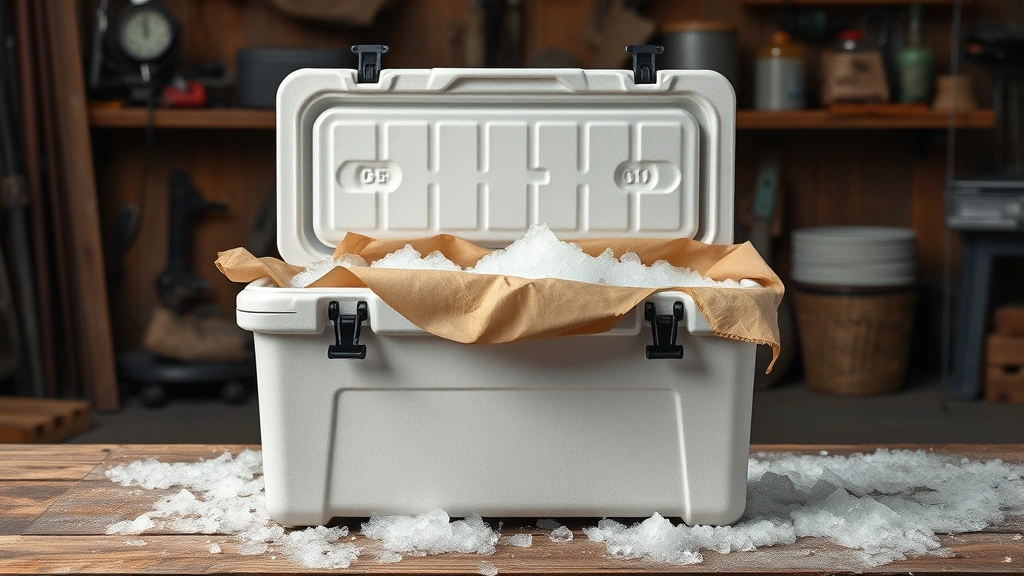
Learning how to store dry ice properly is crucial if you’re planning to use it for anything from special effects at a party to keeping food frozen during a power outage. Dry ice isn’t your typical ice cube—it’s solid carbon dioxide, and it demands respect and know-how. Get this wrong, and you’ll end up with a melted mess, wasted product, or worse, a safety hazard. Let’s break down exactly what you need to know to handle and store dry ice like a pro.
What Exactly Is Dry Ice and Why Does It Need Special Storage?
Dry ice is frozen carbon dioxide at a temperature of about -109°F (-78°C). Unlike regular ice that melts into water, dry ice sublimates—it turns directly from solid to gas without the liquid stage. This means it’s constantly disappearing, and that’s just one reason why proper dry ice storage matters. The sublimation process releases carbon dioxide gas, which can be dangerous in enclosed spaces. You can’t just toss it in your regular freezer and call it a day. This stuff needs ventilation, insulation, and careful handling to prevent both safety issues and product loss.
Insulation Is Your First Line of Defense
The best way to slow down sublimation is through proper insulation. Think of it like this: dry ice wants to escape, and your job is to make that process as slow as possible. A styrofoam cooler is your go-to choice for storing dry ice. The thick walls of styrofoam provide excellent insulation without being overly complicated. If you’re in a pinch, a thick cardboard box lined with newspaper will work in short-term situations, but styrofoam is superior. Avoid metal containers—they conduct cold too efficiently and actually speed up sublimation. When you place dry ice in your cooler, wrap it in a few layers of newspaper or kraft paper first. This acts as an additional insulation buffer and helps reduce the sublimation rate. Don’t seal the container completely; you need to allow gas to escape gradually.

Ventilation: Never Seal It Completely
This is non-negotiable: never store dry ice in an airtight, sealed container. As the dry ice sublimates, it releases carbon dioxide gas. In an enclosed space, pressure builds up, and you’ve got a potential explosion waiting to happen. Even in a refrigerator or freezer, a sealed container of dry ice is dangerous. Always leave the container slightly open or ensure there are small ventilation holes. If you’re storing dry ice in a cooler, just leave the lid cracked open. If you’re using a box, poke a few small holes in the top. You want the gas to escape freely and continuously. This is why you’ll often see dry ice stored in coolers at parties with the lid sitting loosely on top—that’s not carelessness, that’s safety protocol.
Location Matters: Choose Your Storage Spot Wisely
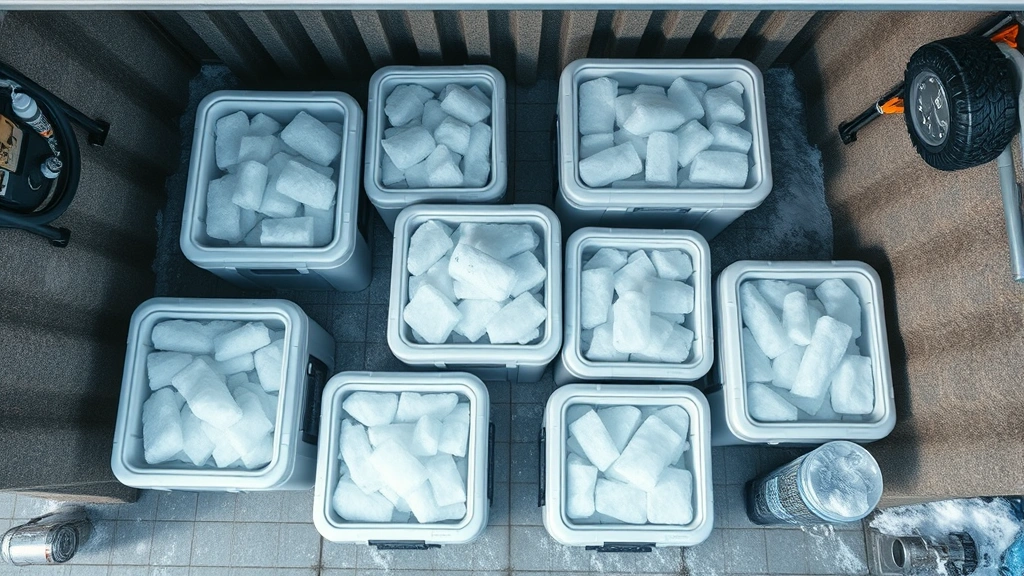
Where you store dry ice is just as important as how you store it. Keep it in a well-ventilated area, preferably in a garage, shed, or outdoor space. Never store it in a basement without excellent ventilation—carbon dioxide is heavier than air and can accumulate at low levels, creating a suffocation hazard. Your kitchen refrigerator or freezer is not the right place, despite what some people think. The enclosed space, combined with the cold environment, creates problems. If you absolutely must use a freezer, use a chest freezer with the lid propped open slightly, never a standard refrigerator. Keep dry ice away from living spaces where people spend extended time. A dedicated storage area with good air circulation is ideal. If you’re storing it for more than a few hours, an outdoor cooler in a shaded spot works great. Direct sunlight accelerates sublimation, so shade is your friend.

Temperature Control and Sublimation Loss
Here’s the reality: you’re going to lose some dry ice no matter what you do. Sublimation is inevitable. The question is how much you lose and how fast. In a well-insulated styrofoam cooler with proper ventilation, you’ll lose roughly 5-10% per day. That’s actually pretty good. In a regular cardboard box, expect 10-15% loss per day. In a metal container or without insulation, you could lose 20-30% or more daily. This is why timing matters. Order your dry ice as close to when you need it as possible. If you’re planning an event, get it the day before, not a week before. When you first receive dry ice, it’s usually wrapped in paper and sitting in a well-insulated container from the supplier. Keep it in that container until you’re ready to use it. Transfer it to your own storage container only when necessary. Many people don’t realize that the paper wrapping serves a purpose—it’s part of the insulation strategy.
Handling and Safety Precautions During Storage
Never touch dry ice with bare hands. The temperature is so extreme it will cause frostbite instantly. Always use tongs, insulated gloves, or thick leather gloves when handling it. Keep a pair of dedicated tongs near your storage area for any adjustments you need to make. If you’re storing dry ice in your garage, make sure kids and pets can’t access it. This isn’t something you want curious hands getting into. Label your cooler clearly: “DRY ICE – DO NOT TOUCH.” Store it on a sturdy, level surface where it won’t tip over. If your cooler tips and dry ice spills, you’ve got gas being released rapidly into your space, which is a hazard. Keep a fire extinguisher nearby, just in case. Dry ice won’t catch fire, but it’s good practice to have one in any storage area. Never store dry ice near flammable materials. The sublimation process is safe, but you want to eliminate any possible complications.

Container Options: Beyond the Basic Cooler
While styrofoam coolers are the standard, you have other options depending on your needs. A heavy-duty cooler designed for camping works well. Soft-sided insulated bags are less ideal but can work for short-term storage of small amounts. Some people use old refrigerators or freezers—if you go this route, prop the door open and ensure ventilation. The key is insulation combined with ventilation. Avoid anything that’s completely sealed. If you’re storing a large quantity for commercial purposes, specialized dry ice storage cabinets exist, but for home use, a good cooler is all you need. Think about what you’re storing it for. If it’s for a single event, a basic styrofoam cooler is perfect. If you’re using it regularly, investing in a better-quality insulated container makes sense. The cost difference is minimal compared to the dry ice you’ll save.
Duration and Timing: How Long Can You Actually Store It?
The honest answer is that you can’t store dry ice for extended periods. It’s a short-term solution. In ideal conditions—a well-insulated cooler with proper ventilation—you might keep it for 3-5 days before significant loss occurs. For practical purposes, assume you have 24-48 hours of usable storage. This is why dry ice suppliers typically won’t sell it to you more than a day or two before you need it. They know it’s going to sublimate. Plan accordingly. If you need dry ice for an event, order it for the day of or the day before. If you’re using it to keep food frozen during a move or power outage, get it fresh and use it immediately. Don’t buy it thinking you’ll use it later—you’ll just end up with an expensive gas cloud.

Storage During Different Seasons
Temperature and humidity affect sublimation rates. In summer, when it’s hot, dry ice sublimates faster. You’ll need better insulation and more ventilation to manage the gas release. In winter, the cooler ambient temperature helps slow sublimation, so you can get away with less aggressive insulation. Humidity doesn’t directly affect dry ice, but it can affect your storage container. Make sure your cooler isn’t sitting in standing water or extremely damp conditions. Keep it in a dry spot. If you’re storing it outdoors in summer, place the cooler in shade and consider wrapping it with an additional blanket or tarp for extra insulation. In winter, you might store it in an unheated garage or shed without worrying as much about insulation, but ventilation remains critical year-round.
Common Mistakes to Avoid
Don’t store dry ice in a regular freezer without propping the door open. Don’t seal it in any container. Don’t touch it with bare hands. Don’t store it in a basement with poor ventilation. Don’t assume it’ll last longer than a couple of days. Don’t place it directly on surfaces—the extreme cold can damage some materials. Use that paper wrapping and newspaper insulation. Don’t store it near food you plan to eat unless you’re intentionally using it for food preservation, and even then, keep it separated. Don’t leave it unattended in a confined space. These mistakes might seem obvious, but people make them regularly, resulting in wasted product or safety issues.
When to Buy and Where to Source It
Dry ice is available from welding supply shops, some grocery stores, and specialty suppliers. Call ahead to confirm availability and order if possible. Most suppliers have limited quantities and sell on a first-come, first-served basis. Buy it as close to when you need it as possible—ideally within 24 hours of use. Ask the supplier about their insulation recommendations and whether they provide wrapping. Some suppliers will wrap it better than others. If you’re buying from a grocery store, they typically handle it properly, but verify their storage conditions. A reputable supplier will hand you dry ice that’s already wrapped and in a well-insulated container. Transfer it to your storage container carefully and quickly.
Frequently Asked Questions
Can you store dry ice in a regular freezer?
You can store dry ice in a freezer only if the door is propped open for ventilation. Never seal it in an airtight freezer. The gas buildup creates a pressure hazard. A chest freezer with the lid cracked open is safer than an upright refrigerator-freezer combination.
How long does dry ice last in a cooler?
In a well-insulated styrofoam cooler with proper ventilation, dry ice will last 3-5 days with acceptable loss rates. For practical purposes, plan on 24-48 hours of reliable storage. Loss accelerates significantly after that.
Is it safe to store dry ice in a basement?
It’s risky. Basements often have poor ventilation, and carbon dioxide gas is heavier than air, so it accumulates at lower levels. A garage or outdoor storage area with good airflow is much safer.

What happens if you accidentally seal dry ice in a container?
Pressure builds as carbon dioxide gas is released. The container can rupture or explode. This is why ventilation is non-negotiable. Always leave containers slightly open or provide small air holes.
Can you store dry ice next to regular food in a freezer?
Not in a sealed freezer. If you’re using dry ice for food preservation, keep it separated from items you’ll eat, and ensure the freezer door is propped open for gas escape. The dry ice shouldn’t directly contact food.
What’s the best insulation material for dry ice?
Styrofoam is the gold standard. Thick cardboard with newspaper lining works for short-term storage. Avoid metal containers—they conduct cold too efficiently and speed up sublimation. Paper wrapping around the dry ice itself also helps.
Summary: Master the Basics and You’re Golden
Storing dry ice safely comes down to five core principles: insulate it well with styrofoam or heavy cardboard, never seal it completely, ensure proper ventilation, choose a well-ventilated location away from living spaces, and buy it close to when you need it. Don’t overthink it. Get a decent cooler, keep the lid cracked open, store it in your garage or outside, and use it within 24-48 hours. Treat it with respect—it’s colder than you can imagine and demands careful handling. Wear gloves, use tongs, keep kids and pets away, and you’ll be fine. Whether you’re prepping for a Halloween party, keeping food frozen during a move, or experimenting with special effects, proper dry ice storage ensures you get the most out of your purchase while staying safe. Just remember: insulation, ventilation, and timing are your three best friends when it comes to how to store dry ice.
For additional storage tips, check out our guide on how to free up iCloud storage for digital organization strategies. If you’re dealing with food preservation during emergencies, our article on how to keep apples from turning brown offers complementary food storage techniques. For those managing household systems, understanding storage principles extends to maintenance—learn more in our piece on how to clean your washing machine. And if you’re preparing special meals, our guide on how to make gravy from drippings pairs well with food preservation knowledge.
For authoritative information on dry ice safety, consult resources from Family Handyman, which offers comprehensive home safety guidance. The OSHA website provides workplace safety standards that apply to dry ice handling. Additionally, This Old House features expert advice on home storage and safety practices.


