
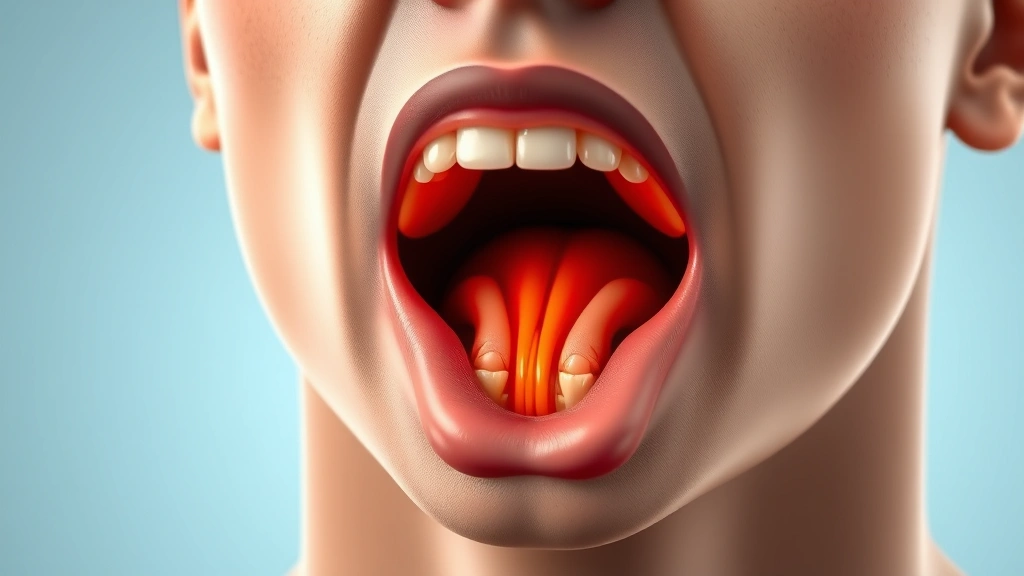
Let’s be real—pneumonoultramicroscopicsilicovolcanoconiosis is the kind of word that makes people groan when they see it. It’s 45 letters long, sounds like something a linguist invented on a dare, and honestly, most people will never need to say it out loud. But here’s the thing: if you’re curious about language, love a good challenge, or just want to impress people at trivia night, learning how to say pneumonoultramicroscopicsilicovolcanoconiosis is totally doable. This guide breaks down the pronunciation into manageable chunks, explains where this monster word came from, and gives you practical strategies to nail it every single time.
The fear isn’t really about the word itself—it’s about looking foolish. That’s the real pain point. So let’s tackle it head-on: you’re not going to nail this on your first try, and that’s fine. Even native English speakers stumble over it. The trick is understanding the structure, practicing the breakdown, and knowing the shortcuts.
What Is This Word, Anyway?
Before we dive into pronunciation, let’s understand what we’re actually saying. Pneumonoultramicroscopicsilicovolcanoconiosis is a legitimate English word—it’s in the dictionary, though it’s rarely used outside of medical or academic contexts. The word describes a type of lung disease caused by inhaling extremely fine volcanic ash and silica particles. Think of it like this: if you work in certain mining or industrial environments where you’re breathing in microscopic particles all day, you could develop this condition.
The word is a mashup of Greek and Latin roots. “Pneumono” refers to the lungs (think pneumonia). “Ultra” means extremely. “Microscopic” means tiny. “Silico” refers to silica. “Volcano” is self-explanatory. And “coniosis” is a medical suffix meaning a lung disease caused by inhaling particles. So when you break it down, the word is actually describing itself: it’s a disease of the lungs caused by inhaling extremely fine microscopic silica particles from volcanic sources.
According to Merriam-Webster’s dictionary, this word held the record for the longest word in English for many years, though that title has since been challenged by other technical and chemical terms. Still, it remains one of the most famous longest words because of its sheer absurdity and the fact that most people have actually heard of it.
The Syllable-by-Syllable Breakdown
Here’s where the magic happens. Instead of looking at all 45 letters at once, we’re going to chunk this into manageable pieces. Think of it like assembling furniture from IKEA—you don’t stare at the whole thing; you focus on one section at a time.
Pneumonoultramicroscopicsilicovolcanoconiosis breaks down into these syllables:
- Noo-muh-no
- Ul-trah-my-kro
- Skop-ik-sil-i-ko
- Vol-kay-no-ko-nee-oh-sis
Notice I bolded the stressed syllables. That’s crucial. In English, we don’t hit every syllable with equal force—we emphasize certain ones. For this word, the primary stress falls on the “noo” at the beginning and the “oh” near the end. The “trah” in “ultra” also gets a secondary stress.
Here’s the full breakdown with phonetic spelling:
- Noo-muh-no: The pneumo part (lung)
- Ul-trah-my-kro: The ultra-micro part (extremely small)
- Skop-ik: The scopic part (relating to viewing or examination)
- Sil-i-ko: The silico part (silica)
- Vol-kay-no: The volcano part (volcanic)
- Ko-nee-oh-sis: The coniosis part (lung disease)
When you string these together, you’re not saying each syllable with equal emphasis. You’re flowing through them, hitting the stressed syllables harder and gliding through the unstressed ones. It’s like the difference between a robot reading text and a human speaking naturally.
Step-by-Step Pronunciation Guide
Alright, let’s get into the actual pronunciation. I’m going to give you the phonetic breakdown, then explain how to produce each sound.
The Full Phonetic Pronunciation:
noo-muh-no-ul-trah-my-kro-skop-ik-sil-i-ko-vol-kay-no-ko-nee-oh-sis
Now, let’s tackle this in chunks:
Part 1: “Pneumono” (Noo-Muh-No)
Start with the “noo” sound. It rhymes with “blue” or “shoe.” Your lips should be slightly rounded. The “p” is silent—this is a Greek root, and in Greek, the “pn” combination is pronounced with a silent “p.” So you’re really starting with the “noo” sound, not “puh-noo.”
Then move to “muh”—a short, neutral vowel sound, like the “a” in “about.”
Finally, “no” rhymes with “go.”
Put it together: NOO-muh-no. The stress is on that first syllable.
Part 2: “Ultramicroscopic” (Ul-Trah-My-Kro-Skop-Ik)
“Ul” is short, like the “u” in “cup.” “Trah” rhymes with “bra.” This is where the secondary stress lands, so punch it a bit: ul-TRAH.
“My” rhymes with “sky.” “Kro” rhymes with “go.”
“Skop” rhymes with “hop.” “Ik” is a short schwa sound, like the “a” in “about.”
Put it together: ul-TRAH-my-kro-SKOP-ik. The primary stress is on “trah,” and “skop” gets a secondary stress.
Part 3: “Silicovolcano” (Sil-I-Ko-Vol-Kay-No)
“Sil” rhymes with “hill.” “I” is a short vowel, like the “i” in “bit.” “Ko” rhymes with “go.”
“Vol” rhymes with “doll.” “Kay” rhymes with “say.” “No” rhymes with “go.”
Put it together: sil-i-ko-VOL-kay-no. The stress is on “vol.”
Part 4: “Coniosis” (Ko-Nee-Oh-Sis)
“Ko” rhymes with “go.” “Nee” rhymes with “see.” “Oh” is a long vowel, like the “o” in “go.”
“Sis” rhymes with “miss.”
Put it together: ko-nee-OH-sis. The primary stress lands on that “oh” sound.
The Complete Word:
NOO-muh-no-ul-TRAH-my-kro-SKOP-ik-sil-i-ko-VOL-kay-no-ko-nee-OH-sis
When you say this out loud, don’t pause between sections. Flow through it like you’re saying a normal sentence. The stressed syllables should be slightly longer and louder than the unstressed ones.
Proven Practice Methods That Actually Work

Knowing the pronunciation and actually being able to say the word are two different things. Here are the methods that actually stick:
The Slow-Motion Method
Start by saying the word extremely slowly, over-enunciating each syllable. Exaggerate the stress. This feels ridiculous, but it trains your mouth to hit each sound correctly. Do this 5-10 times, then gradually speed up. It’s like learning a dance move—you start slow, then add speed once your body knows the pattern.
The Chunk Method
Practice just the first chunk (pneumono) until it’s automatic. Then add the next chunk (ultramicroscopic). Then add the next (silicovolcano). Then the final chunk (coniosis). Once each chunk is solid, you can string them together. This is how you’d learn a long speech or song—you don’t memorize the whole thing at once.
The Recording Method
Use your phone to record yourself saying the word. Listen back. This is uncomfortable because most people hate hearing their own voice, but it’s incredibly effective. You’ll immediately hear where you’re stumbling. You can even send yourself voice messages on iPhone to practice and review later.
The Repetition Method
Say the word out loud 20 times in a row. Yes, 20 times. Your mouth will start to remember the pattern. The first few times feel awkward. By time 15, your mouth is on autopilot. This is pure muscle memory—your vocal cords and tongue are learning the sequence of movements.
The Context Method
Use the word in a sentence. “My uncle worked in a volcanic mine and developed pneumonoultramicroscopicsilicovolcanoconiosis.” When you put the word in a real context, your brain engages differently. It’s no longer just a random string of sounds—it’s information.
Common Mistakes (And How to Avoid Them)
Most people stumble in predictable places. Here’s what to watch out for:
Mistake 1: Pronouncing the “P” in “Pneumono”
This is the most common error. People say “puh-NOO-muh-no” when they should say “NOO-muh-no.” The “p” is silent. Period. If you catch yourself saying it, you’re already ahead of 90% of people who attempt this word.
Mistake 2: Stressing the Wrong Syllables
If you stress every syllable equally, the word becomes a monotonous drone. English is a stress-timed language, which means we punch certain syllables and glide through others. The main stress is on the first “noo” and the second-to-last “oh.” The secondary stress is on “trah” and “skop” and “vol.”
Mistake 3: Rushing the Middle Section
“Ultramicroscopicsilicovolcano” is the longest middle section. People tend to speed up here because they’re panicking. Slow down. Hit the stressed syllables. The unstressed ones can be quick, but the stressed ones should be clear.
Mistake 4: Forgetting the Final “Osis”
Some people get so focused on the first 30+ letters that they mumble the ending. “Coniosis” is crucial. It’s the medical suffix that makes this a disease. Don’t rush it. ko-nee-OH-sis. The “oh” gets the stress.
Mistake 5: Treating It Like a Spelling Bee
You’re not spelling the word—you’re saying it. Don’t try to sound out every letter. Instead, think of it as a flow of sounds. The letters are just the written representation.
Pro Tip: If you mess up in front of someone, just laugh and say “Yeah, that’s why most people don’t use this word.” Confidence beats perfection. If you can get 80% of it right and deliver it with a smile, you’ve already won.
Shortcuts and Memory Hacks
Not everyone needs to pronounce this word perfectly. Here are some shortcuts if you’re just trying to get close:
The Abbreviated Version
In medical contexts, doctors often call this condition “silicosis” or “volcanic silicosis.” If you’re reading about it in a medical journal or talking to a doctor, you can just say the short version. No shame in that.
The Mnemonic Device
Remember this phrase: “No Ultra Micro Scopic Silico Volcano Coniosis.” Each word’s first letter corresponds to a chunk of the big word. This helps you remember the structure even if you’re not 100% on the pronunciation.
The YouTube Shortcut
Search for “how to pronounce pneumonoultramicroscopicsilicovolcanoconiosis” on YouTube. Hearing native English speakers and linguistics experts say it is incredibly helpful. Seeing their mouth movements gives you visual cues that pure text can’t provide. YouTube has hundreds of pronunciation videos that can supplement this guide.
The Confidence Hack
Here’s the real secret: most people are so impressed that you even attempted this word that they won’t judge you harshly if you don’t nail it perfectly. Say it with confidence, even if it’s not perfect. Confidence is 50% of pronunciation.
Understanding the Medical Context
Knowing where and why this word is used helps you understand how to pronounce it correctly. Pneumonoultramicroscopicsilicovolcanoconiosis is a real occupational lung disease. It’s not just a joke word.
Workers in certain industries are at risk:
- Volcanic rock mining
- Silica sand mining
- Certain types of stone cutting
- Foundry work
- Sandblasting operations
When these workers inhale microscopic particles over years or decades, the particles accumulate in the lungs and cause inflammation and scarring. This is serious stuff. According to OSHA guidelines, proper respiratory protection is essential in these industries.
Understanding this context means you’re not just saying a random word—you’re discussing a real medical condition. That gives you confidence and context. You can say something like, “Workers who inhale volcanic silica particles can develop pneumonoultramicroscopicsilicovolcanoconiosis.” Now you’re not just showing off; you’re sharing actual information.
The medical community uses this word (though rarely in conversation—they usually say “silicosis”), and understanding the condition helps you pronounce it with authority. You’re not guessing at sounds; you’re speaking about something real.
For more information on occupational lung diseases, the American Lung Association provides detailed resources on silicosis and other work-related respiratory conditions.
Frequently Asked Questions
Is the “P” in “Pneumono” really silent?
– Yes, absolutely. The word comes from Greek, where the “pn” combination is pronounced with a silent “p.” You start with the “noo” sound. This trips up most people because in English, we rarely have silent “p” letters at the beginning of words. But this isn’t a purely English word—it’s Greek-derived. Think of other Greek-derived words like “psychology” or “pneumonia”—the “p” is silent in both of those too.
What’s the primary stress in this word?
– The primary stress lands on the first syllable: NOO-muh-no-ul-trah-my-kro-skop-ik-sil-i-ko-vol-kay-no-ko-nee-OH-sis. There’s also a secondary stress on the “OH” near the end. The “trah,” “skop,” and “vol” also get slight emphasis, but the “noo” and “oh” are the main stress points.
Do I need to pronounce every single syllable clearly?
– Not necessarily. In natural speech, many of the unstressed syllables can be quick and reduced. The key is hitting the stressed syllables clearly and letting the unstressed ones flow. It’s like a song—you don’t sing every note with equal emphasis. You punch the main notes and glide through the others.
How long does it take to learn to say this word?
– Most people can get a recognizable version down in 10-15 minutes of focused practice. To say it smoothly and confidently takes maybe 30 minutes to an hour of practice spread over a few days. The slow-motion method (saying it very slowly, then speeding up) is usually the fastest way to internalize it.
Is there a difference between British and American pronunciation?
– Not significantly. The word is pronounced essentially the same way in both accents. The main differences would be in vowel pronunciation (some vowels sound slightly different in British vs. American English), but the overall structure and stress patterns are identical. If you can say it in one accent, you can adjust it for the other.
What if I still can’t say it after practicing?
– Honestly? You’re not alone. Some people have more difficulty with long words due to how their brain processes language. If you can get 70-80% of it right, that’s a win. The important thing is that you understand the structure and can approximate it. You could also search for the word on a page and use text-to-speech tools to hear it pronounced correctly, then practice mimicking that.

Why is this word so famous if it’s so rarely used?
– Because it’s absurd. It’s the longest word in most English dictionaries (though that title is disputed now). People love the challenge of it, and it’s become a cultural reference point. It’s the word people think of when someone asks, “What’s the longest word in English?” It’s famous because it’s famous, if that makes sense. Once something becomes a meme or a cultural touchstone, it stays there.
Can I use this word in a sentence to sound smart?
– Sure, but be aware that most people will recognize it as a bit of a flex. If you work in a relevant field (medicine, occupational safety, etc.), using it naturally makes sense. If you’re just dropping it into casual conversation, people will know you’re showing off—and they’ll probably respect the effort. Just own it. “Yeah, I learned to pronounce pneumonoultramicroscopicsilicovolcanoconiosis. It took me 20 minutes.” That’s cooler than pretending it was easy.


