
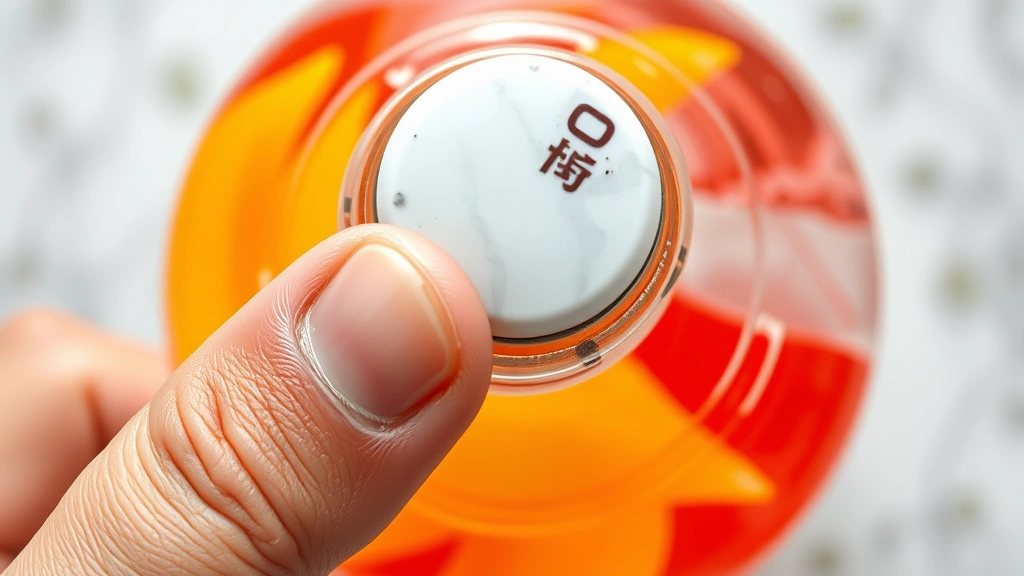
Ramune bottles are iconic Japanese carbonated drinks with a unique marble-sealing mechanism that looks cool but confuses a lot of people on their first try. If you’ve ever stared at one wondering how to open ramune without spraying yourself or breaking the bottle, you’re not alone. The good news? Once you understand the mechanism, it takes about 10 seconds. The bad news? Do it wrong and you’ll have a sticky mess on your hands—literally.
This guide walks you through exactly how to open ramune safely, covers common mistakes, and explains why this bottle design has stuck around for over a century. Whether you’re a first-timer or just want to look smooth in front of friends, you’ll get it right every time after this.
Understanding the Ramune Bottle Mechanism
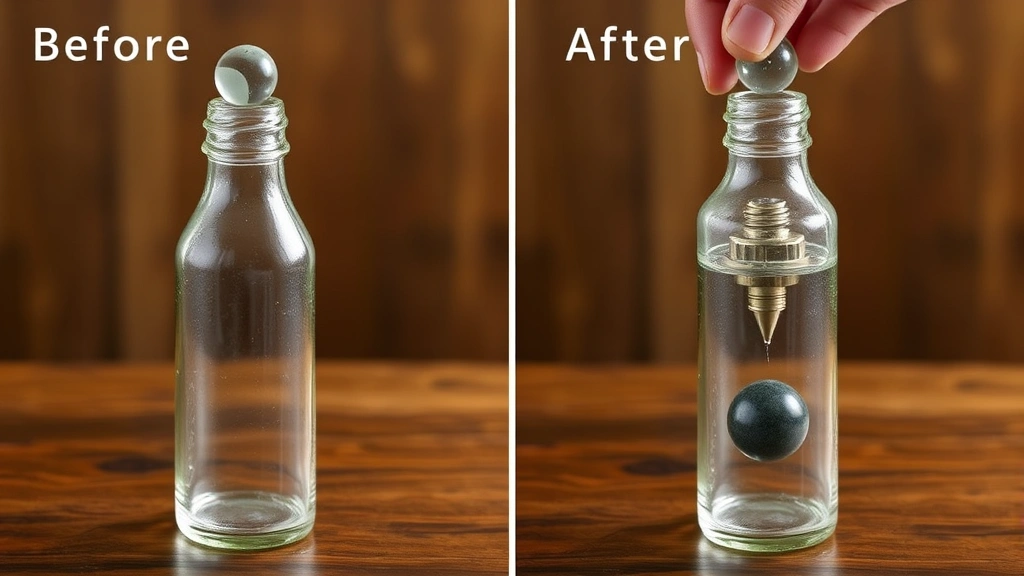
Before you crack open a ramune bottle, you need to understand what’s actually happening inside. The bottle contains a glass marble (called a tama in Japanese) that sits in a special chamber at the top. This marble isn’t just decorative—it’s a seal. The carbonation pressure inside the bottle pushes the marble up against the bottle’s neck, creating an airtight seal that keeps the drink fizzy.
Think of it like a one-way valve. The pressure from inside keeps the marble lodged in place. When you apply downward pressure on the marble through the plastic cap, you’re forcing it down into a channel that opens the bottle. Once the marble drops, carbonation can escape, but here’s the key: the marble doesn’t fall out of the bottle. It sits in a wider chamber below the opening, letting you drink without a marble in your mouth.
This design was patented in 1872 and remains popular because it’s genuinely clever. The marble keeps the drink fresh longer than a regular cap would, and there’s something satisfying about the mechanism. Just don’t overthink it—the bottle wants to open. You’re just helping it along.
What You’ll Need (Spoiler: Just Your Hands)
Here’s the beautiful part: you don’t need tools, gadgets, or special equipment. All you need is:
- Your two hands
- The ramune bottle
- A surface to work on (optional but recommended)
- A glass or cup if you’re pouring it out (common practice in Japan)
That’s it. No bottle openers, no special techniques with your teeth (seriously, don’t do that), no kitchen gadgets. The ramune bottle is designed to be opened by hand, and the plastic cap on top is your tool. Some people like to open ramune over a sink just in case, but that’s more of a precaution than a requirement.
If you’re opening ramune for the first time, having a small cup nearby is actually smart. Not because you’ll spill everywhere, but because pouring ramune into a glass is how it’s traditionally served in Japan. It prevents the marble from accidentally going into your mouth, and it lets you enjoy the drink more slowly.
Step-by-Step Instructions for Opening Ramune
Alright, let’s get to the actual process. This is straightforward, but precision matters.
- Hold the bottle firmly. Grip the glass bottle with one hand, keeping it upright. Your fingers should be around the body of the bottle, not near the top. You want stability. A loose grip leads to fumbling, and fumbling leads to accidents.
- Locate the plastic cap. At the very top of the bottle, you’ll see a plastic cap that sits in a recessed area. This cap is your key. It’s usually colored (red, blue, green, etc.) and has a small indentation or ridge on top.
- Position the cap pusher correctly. Using your other hand, place your thumb or index finger on the center of the plastic cap. You’re aiming for dead center—not off to the side. This is where most people mess up. Off-center pressure causes the cap to slip or the marble to jam.
- Apply steady downward pressure. Push down on the cap with moderate, controlled force. You’re not slamming it; you’re pressing. Think of it like pressing a button on a keyboard—firm and deliberate, not violent. As you push, you should hear a small click or feel a slight resistance give way.
- Push until the marble drops. Keep applying pressure until you feel the marble shift inside the bottle. You’ll hear a distinct clink sound as the marble falls into the chamber below. This usually takes about 2-3 seconds of steady pressure.
- Remove the cap. Once the marble has dropped, you can remove the plastic cap completely. It just lifts off. The bottle is now open, and you’re ready to drink.
- Enjoy responsibly. Pour into a glass if you want to be traditional, or drink straight from the bottle if you’re careful. The marble will stay in its chamber at the bottom and won’t come out when you drink.
The entire process takes maybe 10 seconds once you know what you’re doing. The key is confidence and center pressure. Hesitation and sideways pushing are what cause problems.
Common Mistakes That Lead to Spills
Let’s talk about what goes wrong, because understanding the failure points helps you avoid them.
Mistake #1: Pushing off-center. This is the #1 culprit. If you push the cap from the side, it tips, and the marble gets jammed against the side of the chamber instead of dropping straight down. The result? Pressure builds, and when it finally releases, you get a small geyser of ramune. Push straight down, dead center.
Mistake #2: Not pushing hard enough. Some people are afraid of breaking the bottle, so they apply light pressure. The marble doesn’t drop, the cap doesn’t click, and you’re just sitting there pressing weakly. You need enough force to actually move the mechanism. The bottle is stronger than you think—it’s survived a century of this.
Mistake #3: Pushing too hard too fast. On the flip side, slamming the cap like you’re angry at it can cause the pressure to release suddenly, spraying ramune everywhere. It’s not about force; it’s about controlled, steady pressure. Imagine you’re pressing an elevator button—firm and purposeful, not aggressive.
Mistake #4: Tilting the bottle. Keep the bottle upright. If you tilt it while opening, the marble can shift sideways, the pressure releases unevenly, and you’ll spill. Vertical is your friend.
Mistake #5: Opening it upside down or at an angle. Seriously, don’t do this. The marble will fall out, and you’ll have a glass marble in your drink or on the ground. Always open with the bottle upright and the cap on top.
Why Temperature Matters More Than You Think
Here’s something most guides don’t mention: the temperature of your ramune affects how easy it is to open. Cold ramune is easier to open than warm ramune. Why? Gas expands when heated. A warm bottle has more carbonation pressure building up, which means the marble is pushed harder against the seal. When you press the cap, there’s more resistance, and the pressure release is more aggressive.
If you’re opening ramune straight from the fridge (around 40°F or 4°C), the pressure is lower, the marble drops smoothly, and you’re golden. If you’ve left it on the counter for an hour, the pressure has increased, and the opening becomes trickier.
This is why experienced ramune drinkers always chill their bottles. It’s not just about taste—it’s about control. A cold bottle is predictable and easy to open. A warm bottle is a potential surprise geyser waiting to happen.
If you do end up with a warm bottle, here’s the workaround: open it more slowly. Apply pressure, wait a moment, apply a bit more pressure. Give the pressure a chance to equalize instead of releasing all at once. It takes longer, but it’s safer.
What to Do After You’ve Opened It
Once the marble has dropped and the cap is off, you’re not quite done. Here’s how to handle the open bottle properly.
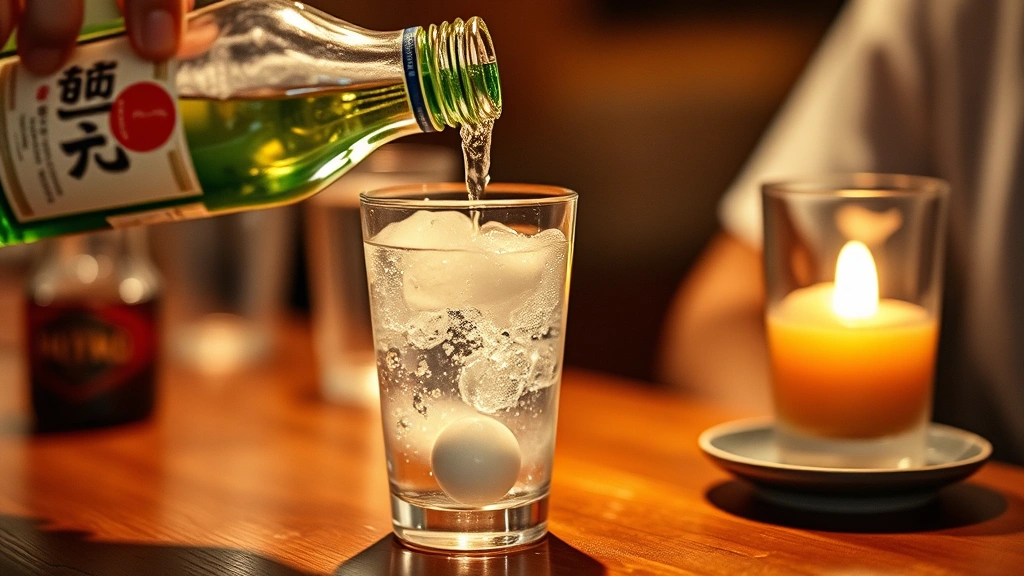
Pour into a glass (traditional method). In Japan, ramune is typically poured into a glass before drinking. This serves multiple purposes: it keeps the marble away from your mouth, it lets the drink warm up slightly (which some people prefer), and it’s just more civilized than chugging from the bottle. Pour slowly to avoid excessive foam.
Drink straight from the bottle (casual method). If you’re drinking straight from the bottle, be careful not to let the marble slide up into the opening. As you tilt the bottle back, the marble might shift. Tilt slowly and keep the bottle mostly upright. Some people cover the opening with their thumb when they’re not actively drinking to prevent the marble from moving.
Storage after opening. Once opened, ramune loses its carbonation over time, just like any soda. There’s no way to reseal it perfectly, so drink it within a few hours for best results. You can put the plastic cap back on loosely, but it won’t maintain the seal. The bottle is designed to be consumed once opened.
The marble itself. Don’t try to fish the marble out while the bottle is full. Wait until you’ve drunk most of the ramune, and the marble will naturally settle at the bottom. If you want to keep the marble as a souvenir (some people do), let the bottle empty completely and rinse it out. The marble won’t break—it’s tempered glass.
Safety Tips and Pressure Management
Ramune is generally safe to open, but here are some real safety considerations you should know about.
Pressure release. The bottle is pressurized, but not dangerously so. It’s the same carbonation level as a soda bottle. However, if you’ve shaken the bottle or heated it significantly, there’s more pressure inside. Always open over a sink or outdoors if you’re unsure. Better safe than sticky.
Don’t freeze ramune. This is important. If you freeze a ramune bottle, the liquid expands, pressure builds up inside, and you can end up with a bottle that explodes or sprays when you open it. Keep it refrigerated, not frozen.
Check for cracks before opening. Inspect the glass bottle for any cracks or damage. A compromised bottle might shatter or leak unexpectedly. This is rare, but it’s worth a quick visual check.
Keep away from small children unsupervised. The marble is a choking hazard for very young kids. If children are drinking ramune, supervise the opening and make sure they pour it into a cup rather than drinking straight from the bottle. According to the Consumer Product Safety Commission, small objects like marbles should be kept away from children under 8.
Don’t open in a car or near electronics. While ramune isn’t likely to explode, if something goes wrong, you don’t want carbonated liquid spraying your dashboard or phone. Open in a safe space where a spill won’t cause problems.
Pressure and altitude. If you’re at high altitude, atmospheric pressure is lower, which means the pressure difference inside the bottle is greater. Opening ramune at altitude might be slightly more vigorous than at sea level. Keep this in mind if you’re in the mountains.
For more detailed information on beverage safety and handling, check out FDA guidelines on food and beverage safety.
A Brief History of Why Ramune Bottles Are This Way
Understanding the history makes you appreciate the design even more. Ramune was introduced to Japan in the 1870s by British merchants. The marble-and-seal design was created because it provided a way to keep carbonated drinks fresh without reliable refrigeration or modern bottle caps.
The marble seal was superior to cork stoppers because it created a better airtight seal, and the marble itself was cheap to produce. The design became iconic, and even though modern bottle caps exist, ramune manufacturers have kept the original design because it’s distinctive and beloved by consumers.
This is why ramune remains popular in Japan and has become trendy worldwide. It’s not just a drink—it’s a piece of beverage history you can hold in your hand. And now you know how to open ramune like someone who actually understands what’s happening inside the bottle.
If you’re interested in learning other practical skills, you might find it useful to understand how to add a signature in Google Docs or password protect a PDF for document management. While these seem unrelated to ramune, they’re part of the same practical skill-building mindset.
Frequently Asked Questions
What if the marble gets stuck and won’t drop?
– This usually happens if you’re pushing off-center or not pushing hard enough. Try repositioning your finger dead-center on the cap and applying steady, moderate pressure. If it’s still stuck, the bottle might be warm (higher pressure makes it harder). Chill it for 10 minutes and try again. In rare cases, the bottle’s internal mechanism might be defective, but this is uncommon.
Can I open ramune with my teeth?
– Please don’t. You can crack a tooth, and you’ll look ridiculous. The bottle is designed to open with hand pressure. Use your hands. Your dentist will thank you.
Is the marble safe to swallow if it goes in my mouth?
– No. The marble is glass and could cause serious injury if swallowed. This is why pouring ramune into a glass is the traditional method. If you drink straight from the bottle, be careful and aware of where the marble is positioned.
Why does ramune sometimes spray when I open it?
– This happens when the bottle is warm, has been shaken, or when you push the cap off-center or too aggressively. The pressure releases suddenly instead of gradually. Keep bottles cold, open them gently with centered pressure, and avoid shaking them.
How long does ramune stay carbonated after opening?
– Ramune loses carbonation quickly once opened, similar to any soda. Drink it within a few hours for the best fizz. After 24 hours, most of the carbonation will be gone.
Can I reuse the bottle after drinking it?
– Yes, ramune bottles are popular for reuse. Rinse them out thoroughly, remove the marble if you want, and use them for storage or decoration. They’re sturdy glass bottles, so they last a long time. Some people collect them.
What if the plastic cap breaks while opening?
– This is rare, but if it happens, the marble might not drop properly. You can try using a coin or the edge of another bottle cap to apply pressure to the marble directly, but be careful. If the bottle is defective, contact the retailer for a replacement.
Is ramune more expensive than regular soda?
– Yes, typically. You’re paying for the novelty and the unique bottle design, not just the drink. Ramune costs about 30-50% more than comparable sodas, but many people consider it worth it for the experience and the reusable bottle.
Where can I buy ramune?
– Ramune is widely available at Asian grocery stores, specialty beverage shops, and online retailers. You can find it in most major cities, and it’s becoming more common in regular supermarkets. Popular brands include Sangaria and Codd.
Why is the bottle shaped like that?
– The distinctive shape with the narrow neck and wider body is designed to accommodate the marble mechanism. The wider chamber at the bottom gives the marble a place to rest after it’s dropped. The design is both functional and iconic.


