
Let’s be honest—when you’re hungry and exhausted, the last thing you want is to stand over a stovetop waiting for water to boil. Making ramen in the microwave is a lifesaver. Whether you’re a college student on a budget, working late, or just want dinner in under five minutes, how to make ramen in the microwave is a skill that actually matters. The good news? It’s stupidly easy, and you can nail it every single time once you know the tricks.
The biggest misconception is that microwave ramen tastes worse than stovetop ramen. That’s not true. The real difference is technique. Get the water temperature right, time it properly, and season it well, and you’ll have a bowl that tastes just as good—maybe better, because you didn’t burn yourself or your kitchen in the process.
The Basic Microwave Ramen Method
Here’s the stripped-down version that works every single time:
- Fill a microwave-safe bowl with water. Use about 2 cups for a standard pack of ramen. Don’t use a mug—you need space for the noodles to expand without boiling over.
- Microwave on high for 3-4 minutes. The water should be rolling boil, not just steaming.
- Add the noodles and flavor packet. Break the noodles in half if you want them shorter, or leave them whole for a more dramatic presentation. Stir to separate them.
- Microwave for 2-3 more minutes. Check at the 2-minute mark. The noodles should be tender but not mushy.
- Add any toppings or extras. This is where personality comes in.
- Stir and taste. Add hot sauce, soy sauce, or sesame oil if the broth needs more punch.
That’s genuinely it. Five to seven minutes from start to finish, and you’ve got a hot meal. But here’s where most people go wrong—they skip steps or rush through them, and suddenly their ramen is either crunchy or looks like porridge.
Water Temperature Matters More Than You Think
This is the secret that separates mediocre microwave ramen from the stuff you actually want to eat. The water needs to be at a rolling boil—not just hot, but actually boiling. Why? Because the heat needs to cook the noodles evenly and quickly. If the water isn’t hot enough, the noodles cook unevenly and you get some soft pieces and some hard pieces in the same bite. That’s a disaster.
The microwave times I mentioned (3-4 minutes for the initial boil, then 2-3 for the noodles) assume a standard 1000-watt microwave. If yours is older or lower wattage, add 30-60 seconds. If it’s a high-powered beast, you might be done in 2.5-3 minutes total. You’ll figure out your microwave’s personality after one or two tries.
One pro move: if you’re making multiple bowls back-to-back, start the water for the next bowl while you’re eating the first one. The water will be ready to go, and you’re not waiting around hungry.
Safety Warning: Be careful when removing the bowl from the microwave. The bowl itself gets hot, and the water is literally boiling. Use an oven mitt or kitchen towel. Also, never microwave ramen in a metal bowl—stick to ceramic, glass, or microwave-safe plastic.
Timing Guide by Noodle Type
Not all ramen is created equal. Different brands and styles cook at different speeds, so here’s a breakdown:
- Thin noodles (most instant ramen): 2-2.5 minutes in boiling water. These are the standard stuff you find at the grocery store. They’re thin and cook fast.
- Thick noodles (some premium instant brands): 3-4 minutes in boiling water. These are chewier and need more time.
- Curly/wavy noodles: 2.5-3 minutes. The shape helps them cook a bit faster because there’s more surface area.
- Fresh ramen (if you can find it): 1-1.5 minutes. Fresh noodles are already partially cooked, so don’t overdo it or they’ll turn into mush.
The best way to check doneness? Fish out a single noodle with a fork and taste it. If it’s still crunchy in the middle, give it another 30 seconds. If it’s soft all the way through, you’re done. This takes practice, but after a few bowls you’ll develop a feel for it.
Flavor Upgrades That Actually Work
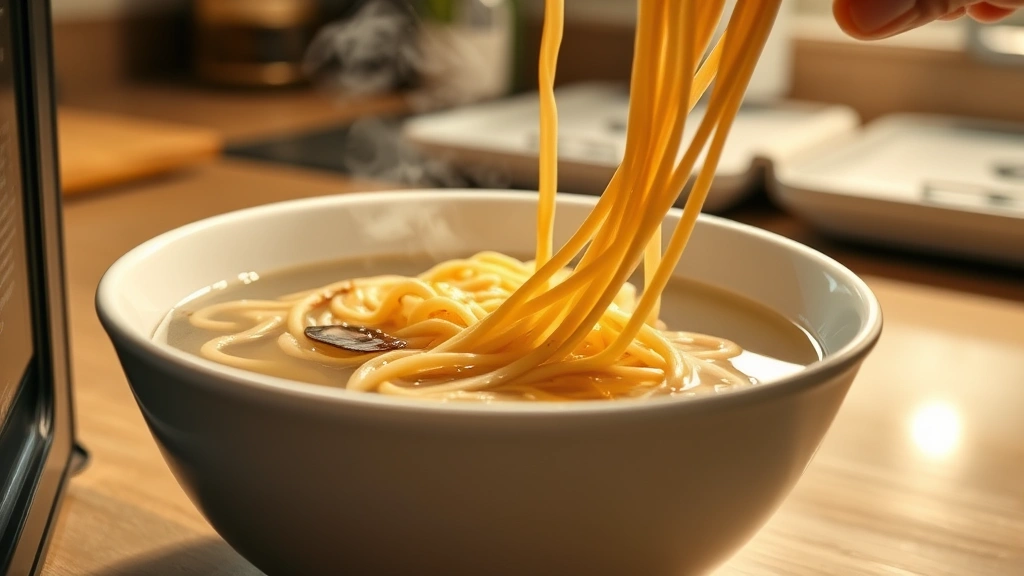
The flavor packet that comes with instant ramen is… fine. It’s salty, it’s quick, and it gets the job done. But if you want your microwave ramen to taste like something you’d actually pay for at a restaurant, here are some upgrades that genuinely make a difference:
- Add an egg: Crack a raw egg into the broth after the noodles are done cooking. The residual heat will cook it soft, and you’ve just added protein and richness to your bowl. This is a game-changer for about 10 cents.
- Sesame oil: A teaspoon stirred in at the end adds depth and makes the whole thing taste more sophisticated. Don’t overdo it—sesame oil is intense.
- Soy sauce or tamari: If the broth tastes flat, add a splash of soy sauce. Start with a teaspoon and taste as you go.
- Sriracha or hot sauce: Heat and complexity. A drizzle at the end gives you control over how spicy it gets.
- Fish sauce (if you’re brave): Just a tiny splash—like a quarter teaspoon. It sounds weird, but it adds umami that makes everything taste better. Use sparingly.
- Garlic powder or fresh garlic: A pinch of garlic powder mixed into the broth, or a clove of fresh minced garlic stirred in while it’s hot. Transforms the flavor profile.
- Butter: A tablespoon of butter melted into the hot broth adds richness and smoothness. It’s not fancy, but it works.
Here’s the thing about flavor upgrades: start with one or two, not all of them at once. You want to taste what each ingredient does, not create a flavor bomb that tastes like everything and nothing.
Common Mistakes That Ruin Your Bowl
I’ve made all of these. You probably have too. Let’s talk about how to avoid them:
Mistake #1: Using too little water. If you only use 1.5 cups of water for a full pack of ramen, the noodles will absorb most of it and you’ll end up with a thick, pasty mess instead of a proper broth. Use at least 2 cups, preferably 2.5 if you like a brothier bowl.
Mistake #2: Not letting the water actually boil. This is the biggest one. Impatient people pull the bowl out after 2.5 minutes, throw in the noodles, and wonder why they’re crunchy. The water needs to be actually boiling. You should see big bubbles breaking the surface, not just steam.
Mistake #3: Overcooking the noodles. Instant ramen noodles go from perfectly chewy to mushy in about 30 seconds. Don’t set a timer and walk away. Set a timer, stay nearby, and check at the 2-minute mark. Taste one noodle. If it’s done, pull it out. If it needs more time, give it 30 seconds and check again.
Mistake #4: Ignoring the flavor packet until the end. Add it when you add the noodles, not after. The noodles will absorb some of the seasoning as they cook, which distributes the flavor better than dumping it in at the end.
Mistake #5: Using a bowl that’s too small. Water boils over. It happens. Use a bowl that’s at least 3-4 cups in capacity. A standard cereal bowl is too small.
Mistake #6: Not tasting before serving. Microwave power varies. Noodle quality varies. Water quality varies. Taste your ramen before you decide it’s done. You might need more salt, more spice, or more time. That 10-second taste test prevents disappointment.
Pro Tips for Restaurant-Quality Results
Once you’ve mastered the basics, here’s how to make your microwave ramen actually impressive:
Build a broth base. Instead of using just water, use chicken or vegetable broth as your base. Use 1.5 cups broth and 0.5 cups water. This adds depth that plain water can’t match. It costs maybe 20 cents more per bowl.
Toast your noodles first. This is wild, but it works. Before you microwave anything, put the noodle block in a dry skillet over medium heat for 30 seconds per side. Just enough to warm it and release some of the aromatics. Then microwave as normal. The noodles taste nuttier and more complex.
Make a quick aromatics mix. Chop some green onions, garlic, and ginger (or just use garlic powder and ginger powder if you’re in a hurry). Keep it in a small container in your fridge. Sprinkle it on top of your finished ramen. Fresh aromatics completely change the game.
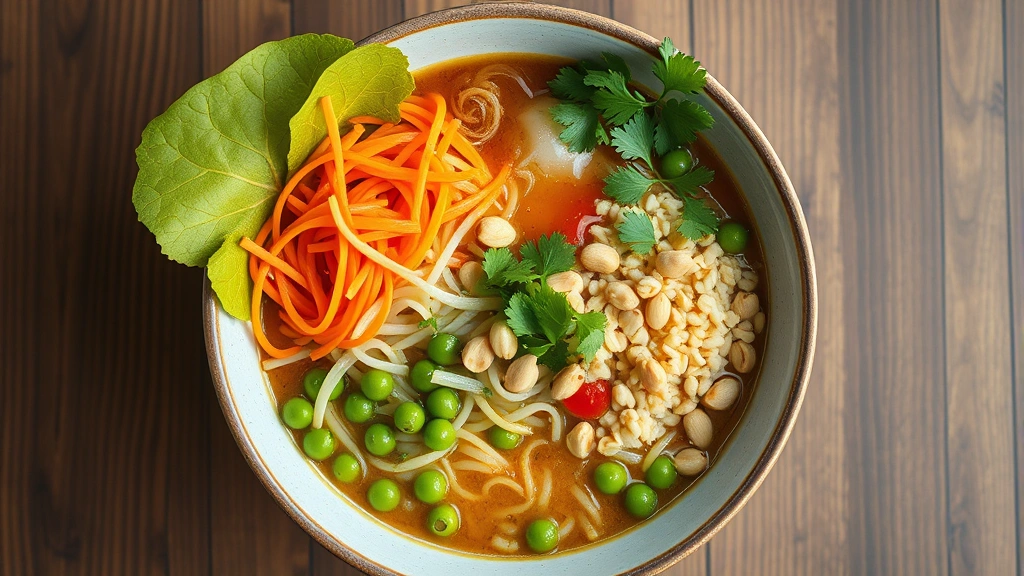
Add texture. Soft noodles in soft broth is boring. Add something crunchy—crushed peanuts, crispy fried onions, or even just some raw vegetables like shredded carrots or thinly sliced cucumber. The contrast makes every bite more interesting.
Pro Tip: If you want your ramen to taste like it came from a real ramen shop, invest in a bottle of chili oil (like Lao Gan Ma). A drizzle on top adds heat, complexity, and that restaurant-quality finish. It’s like $3 and lasts forever.
Quick Additions to Level Up Your Ramen
These are things you can throw in without any prep:
- Frozen vegetables: Frozen peas, corn, or mixed vegetables can go straight into the bowl. The hot broth will thaw them in about a minute. This adds nutrition without effort.
- Canned beans: Black beans, chickpeas, or kidney beans add protein and substance. Drain and rinse them first, then add them to the hot broth.
- Leftover protein: Shredded chicken, ground meat, or even deli turkey. Throw it in the hot broth to warm it up. Suddenly you’ve got a meal, not just a snack.
- Cheese: A slice of American cheese or a handful of shredded cheddar melts into the hot broth and adds creaminess. Sounds weird, tastes surprisingly good.
- Peanut butter: A tablespoon stirred into the broth creates a creamy, nutty ramen that’s actually incredible. This is a Southeast Asian-inspired move and it works.
- Lime juice: A squeeze of fresh lime at the end brightens everything up. It’s especially good if you added peanut butter.
The beauty of microwave ramen is that it’s a canvas. You’re not locked into the flavor packet. You can build something that actually satisfies you, not just fills your stomach.
For more information on quick cooking techniques, check out resources like Family Handyman for general kitchen tips, or if you’re interested in steaming vegetables as a side dish, learn how long to steam asparagus or how long to steam carrots to complement your meal.
If you want to understand more about food safety and cooking temperatures, the FDA’s food safety guidelines are worth a read. And for those interested in expanding their quick-meal repertoire, This Old House has kitchen tips that apply to everyday cooking.
Frequently Asked Questions
Can I make ramen in the microwave without a flavor packet?
– Yes, absolutely. Use broth instead of water, add some soy sauce, garlic, and ginger, and you’ve got a better bowl than the flavor packet would give you. You can also use a bouillon cube or miso paste dissolved in the water. The flavor packet is convenient, not necessary.
Why does my microwave ramen boil over?
– Your bowl is too small or you’re using too much water. Use a bowl that’s at least 3-4 cups in capacity, and stick to 2-2.5 cups of water. Also, if your microwave is very powerful, reduce the cooking time slightly. Boiling over is usually a combination of too much liquid and too much heat.
Is it okay to reuse the microwave bowl for multiple bowls of ramen?
– Sure, but let it cool for a minute or two between bowls. A hot bowl will start cooking the water immediately, which can actually speed up your next batch. Just be careful not to burn your hands.
Can I make ramen in a mug instead of a bowl?
– Technically yes, but it’s not ideal. A mug doesn’t give the noodles enough room to expand and separate properly, so you end up with clumped noodles. A bowl is really the way to go. It’s not much bigger and makes a huge difference.
What’s the difference between instant ramen and fresh ramen in the microwave?
– Fresh ramen cooks much faster (1-1.5 minutes) because it’s already partially cooked. Instant ramen takes 2-3 minutes. Fresh ramen usually tastes better and has a better texture, but it’s more expensive and doesn’t keep as long. If you can find it, it’s worth trying.
Can I add the vegetables before microwaving?
– You can add hardy vegetables like carrots or broccoli before microwaving, and they’ll cook in the time the noodles cook. Softer vegetables like spinach or bok choy should go in after, since they’ll turn to mush if they cook too long. Frozen vegetables are fine to add at the beginning.
How do I keep my ramen from getting soggy?
– Eat it immediately after cooking. Ramen noodles continue to absorb liquid even after they’re done cooking. If you need to wait a few minutes, drain most of the broth into another bowl and add it back just before eating. Or, use less broth to begin with and add more hot water if needed.
Is microwave ramen as healthy as stovetop ramen?
– The cooking method doesn’t change the nutrition—instant ramen is instant ramen, whether you microwave it or boil it on the stove. If you’re concerned about nutrition, add vegetables, protein, and use broth instead of water. The microwave method doesn’t make it less healthy or more healthy.
Can I make ramen in a rice cooker instead?
– You can, but the microwave is faster and easier. A rice cooker works, but you’re adding an extra appliance and waiting time. Stick with the microwave for speed.
What if my microwave doesn’t have a turntable?
– Older microwaves without turntables can have hot spots, which means the water might boil unevenly. You might need to add 30 seconds to your cooking time, or manually turn the bowl halfway through. If it’s a really old microwave, you might just need to experiment a bit to find the right timing.


