
Listen, if you’ve scrolled past Dalgona cookies on social media and thought “that looks impossible,” I get it. The honeycomb texture, the way it shatters when you bite it, the caramel color that looks professionally done—it all seems like it requires a culinary degree. But here’s the real talk: how to make dalgona cookies is actually one of the most forgiving candy recipes out there, and I’m going to walk you through it like we’re standing in the kitchen together.
Dalgona cookies, also called honeycomb candy or puffed caramel, became a global sensation after appearing in the Korean show “Squid Game.” But this treat has been around for decades in Korea, India, and the Middle East. The magic is simple—sugar, baking soda, and butter transform into something that tastes like caramel and crackles like glass. No special equipment needed. No fancy ingredients. Just three things and a stove.
The best part? Once you nail the technique, you can make batch after batch. And unlike some recipes that are fussy about ratios, Dalgona is pretty forgiving. Let me show you exactly how.
What Is Dalgona Candy?
Dalgona is a brittle-like candy made from caramelized sugar and baking soda. When you whip baking soda into hot caramel, it creates thousands of tiny air bubbles, giving the candy that signature honeycomb structure. The result is light, crispy, and melts on your tongue like sweet air.
The texture is what makes it special. It’s not chewy like taffy. It’s not hard like rock candy. It’s somewhere in between—crunchy but delicate, with a slight chewiness if you let it sit in your mouth for a moment. The flavor is pure caramel with a subtle bitter note that keeps it from being one-dimensional.
In Korea, street vendors have sold Dalgona for generations, often pressing it into molds (like the shapes in Squid Game) and selling it with a toothpick. You can eat it plain, or dip it in chocolate, or crumble it into ice cream. The versatility is part of why it’s so fun to make at home.
Ingredients and Equipment You’ll Need
Here’s what’s beautiful about Dalgona: the ingredient list is genuinely short.
Ingredients (Makes about 15-20 pieces):
- 1 cup (200g) granulated sugar
- 1/3 cup (80ml) water
- 3 tablespoons (45g) unsalted butter
- 2 teaspoons baking soda
- 1/4 teaspoon sea salt (optional, but recommended)
That’s it. No corn syrup, no cream, no vanilla. Just four core ingredients (five if you count salt). The simplicity is why this works—fewer variables mean fewer things that can go wrong.
Equipment:
- Heavy-bottomed saucepan (2-3 quart capacity)
- Candy/deep-fry thermometer (highly recommended, not optional)
- Wooden spoon or heat-resistant spatula
- Parchment paper
- Baking sheet
- Optional: silicone molds, chocolate for dipping
The thermometer is the real MVP here. Candy recipes depend on temperature, and eyeballing it will lead to either undercooked gummy candy or burnt, bitter Dalgona. A good thermometer costs $10-15 and will last for years.
Step-by-Step Instructions for Perfect Dalgona
Step 1: Combine Sugar and Water
Pour the sugar and water into your saucepan. Stir until the sugar is completely wet—it should look like wet sand. This step ensures even heating and prevents crystallization.
Place the pan over medium heat. Do not stir once it starts heating. Seriously. Stirring can cause the sugar to crystallize and turn grainy. Just let it sit and heat. You might see some bubbling at the edges—that’s normal.
Step 2: Monitor the Temperature
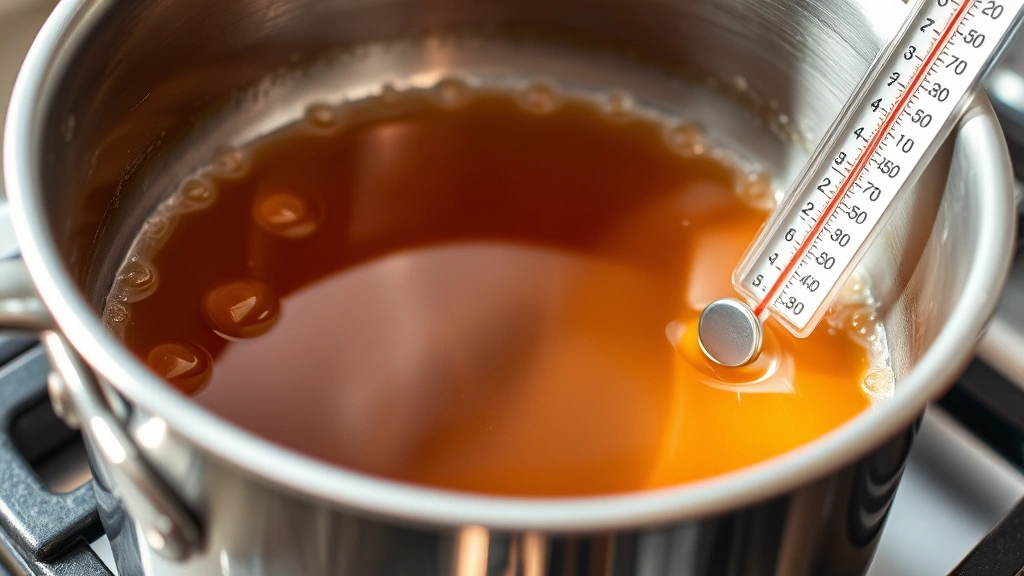
Clip your thermometer to the side of the pan so the bulb is submerged in the syrup but not touching the bottom. Watch it carefully. You’re aiming for 300-310°F (hard-crack stage). This takes about 8-12 minutes depending on your stove and pan.
As the syrup heats, it will go through color stages: clear → pale yellow → golden amber → deep amber. You want to stop around the deep amber stage. If it gets too dark (almost brown), it will taste burnt and bitter.
Here’s a pro tip: when the thermometer hits about 280°F, add the butter. It will bubble up—don’t panic. This is fine. The butter raises the temperature slightly and adds richness.
Step 3: Add the Baking Soda (The Magic Moment)
Once you hit 300-310°F, remove the pan from heat immediately. Let it cool for just 5-10 seconds—not longer, or it’ll start to harden.
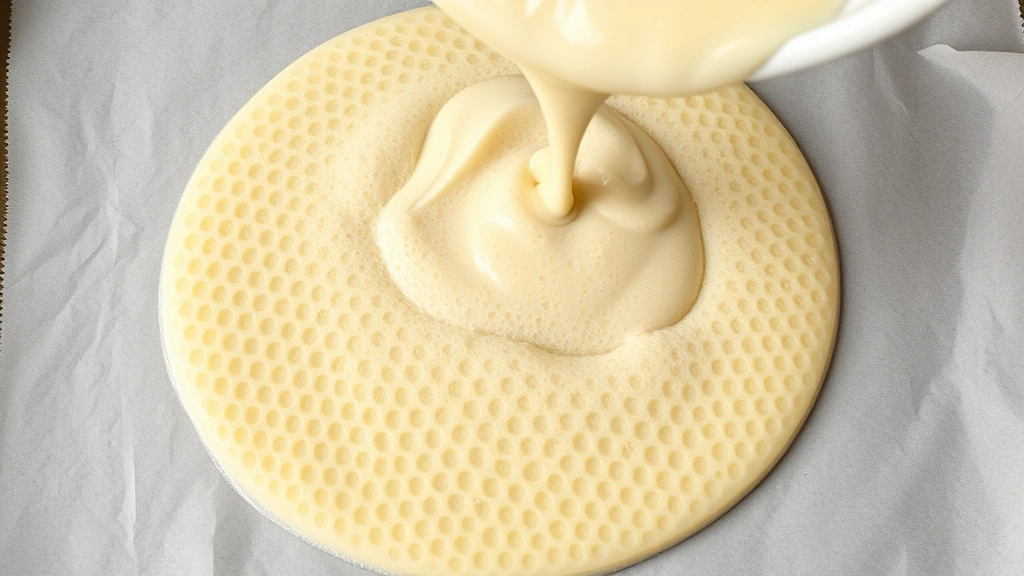
Now comes the fun part. Add all the baking soda at once. The mixture will foam up dramatically, almost doubling in volume. This is the baking soda reacting with the hot caramel and creating all those air bubbles. Stir quickly and thoroughly until everything is combined and the mixture turns a lighter, more uniform color. This should take about 20-30 seconds of vigorous stirring.
Add the salt now if using it. The salt enhances the caramel flavor and balances the sweetness.
Step 4: Pour and Set
Work fast here—the mixture hardens quickly. Pour it onto a parchment-lined baking sheet in a thin, even layer. If you’re using silicone molds, spray them lightly with cooking spray first, then pour the mixture in. You can also use the back of an oiled spatula to spread it out evenly.
Let it cool completely at room temperature. This takes about 30-45 minutes. Do not refrigerate or put it in the freezer—this can make it too brittle and cause it to shatter unevenly.
Step 5: Break Into Pieces
Once fully cooled, break the Dalgona into irregular pieces with your hands. Some people like to score it with a knife while it’s still slightly warm to create more uniform pieces, but honestly, the irregular shards are more fun and look more impressive.
If you made it in molds, they should pop right out. If a piece sticks, let the mold sit at room temperature for a few more minutes.
Common Mistakes (and How to Fix Them)
The Mixture Won’t Foam Up
This usually means the caramel wasn’t hot enough. Baking soda needs heat to react properly. Make sure you’re hitting at least 300°F. If you use old baking soda (more than a year old), it loses potency. Fresh baking soda is essential here.
It Turns Out Gummy Instead of Crispy
You didn’t hit the hard-crack stage. Caramel needs to reach 300°F minimum. If you stop at 290°F, you’ll get a chewy texture instead of crispy. Use that thermometer—don’t guess.
It Tastes Burnt and Bitter
The caramel went too dark. Once it hits deep amber, get it off the heat. Every 10 seconds of additional cooking darkens it more. If this happens, you’ve learned the lesson—next batch, pull it earlier.
It Crystallizes and Turns Grainy
This happens when sugar crystals form during cooking. The fix: don’t stir the syrup once it starts heating. If you see crystals forming on the sides of the pan, brush them down with a wet pastry brush. And make sure your equipment is clean—even a tiny grain of sugar can trigger crystallization.
The Pieces Are Too Hard and Shatter When You Bite Them
This is actually a texture issue. If the candy is shattering into powder, you might have added the baking soda too slowly, creating larger air pockets. Next time, add it all at once and stir vigorously. Also, make sure you’re not refrigerating it—that makes it more brittle.
Storage and Shelf Life
Dalgona is best eaten fresh, ideally within 24-48 hours. After that, it starts absorbing moisture from the air and becomes less crispy. But here’s how to maximize freshness:
- Airtight container: Store in an airtight container with parchment between layers. This keeps moisture out.
- Silica gel packets: Throw a silica gel packet (the kind that comes in shoe boxes or supplement bottles) into the container. This absorbs moisture and keeps the candy crispy for 3-4 days.
- Room temperature only: Never refrigerate. The cold makes it brittle and prone to shattering.
- Freezing: You can freeze Dalgona for up to 2 weeks in an airtight container. Let it come to room temperature before opening to avoid condensation.
If your Dalgona does get soft and chewy after a day, you can reharden it slightly by putting the container in a warm, dry place (like a sunny windowsill) for a few hours. It won’t be perfect, but it’ll improve.
Flavor Variations to Try
Once you’ve nailed the basic recipe, here are ways to customize it:
Chocolate-Dipped Dalgona
Melt 4 oz of chocolate (dark, milk, or white) and dip half of each piece. Let it set on parchment. This adds richness and makes it feel more like a finished candy.
Matcha Dalgona
Add 1-2 teaspoons of matcha powder to the caramel just before adding the baking soda. Whisk it in quickly. The result is a subtle green tea flavor and a gorgeous pale green color.
Coffee Dalgona
Dissolve 1 tablespoon of instant espresso powder in the water before adding the sugar. The coffee flavor deepens the caramel notes beautifully.
Spiced Dalgona
Add 1/4 teaspoon of cinnamon, a pinch of cayenne, or 1/8 teaspoon of cardamom to the finished caramel. These spices complement the sweetness and add complexity.
Sesame Dalgona
Toast 2 tablespoons of sesame seeds and fold them into the foamed caramel just before pouring. This adds a nutty flavor and interesting texture.
Salted Caramel Dalgona
Use fleur de sel or another finishing salt instead of regular salt, and add 1/2 teaspoon extra. The larger salt crystals create little bursts of saltiness throughout.
The key with all variations: add flavoring ingredients after the baking soda reacts but before the mixture hardens. You have about 30 seconds to work with.
Frequently Asked Questions
Can I make Dalgona without a thermometer?
– Technically yes, using the cold-water test, but I wouldn’t recommend it. Drop a tiny bit of caramel into cold water—if it forms a hard ball, you’re close to ready. But you’re eyeballing it, and one mistake ruins the batch. A $12 thermometer is worth the certainty. Family Handyman has a great guide on essential kitchen tools if you’re building your collection.
Why did my Dalgona turn out dense instead of airy?
– The baking soda wasn’t fresh enough, or you added it too slowly. Baking soda loses potency over time. Buy a new box if yours is over a year old. And when you add it, dump it all in at once and stir like you mean it. Slow additions = fewer bubbles.
Can I use brown sugar instead of white sugar?
– You can, but it’ll change the flavor and color. Brown sugar has molasses, which makes the candy darker and adds a slightly different caramel note. It’s not bad, just different. If you try it, reduce the water slightly since brown sugar holds moisture.
Is there a vegan version?
– Absolutely. Replace the butter with coconut oil or vegan butter in a 1:1 ratio. The texture will be nearly identical. The only difference is the coconut oil version might have a subtle coconut undertone.
What’s the difference between Dalgona and peanut brittle?
– Peanut brittle has nuts mixed in and often uses corn syrup. Dalgona is pure caramel and baking soda—no nuts, no corn syrup. Peanut brittle is denser. Dalgona is airier and crispier. Different beasts.
Can I add food coloring to Dalgona?
– Liquid food coloring won’t work because it adds moisture. Use gel food coloring instead, and add just a tiny amount to the caramel before the baking soda. Stir it in quickly. Keep in mind that the caramel’s natural color will dominate—you won’t get bright, vivid colors.
How do I prevent the caramel from crystallizing?
– Don’t stir once it starts heating. If you see crystals forming on the pan’s sides, brush them down with a wet pastry brush. Make sure your pan and spoon are completely clean before starting. Even a grain of sugar or dust can trigger crystallization. And don’t scrape the bottom of the pan—any burnt bits can cause problems.
Can I make Dalgona in the microwave?
– You can, but it’s riskier. Microwave caramel heats unevenly, and you can’t use a thermometer. If you try it, use short 1-minute bursts and stir between each one. It’s doable but requires more attention and has a higher failure rate than stovetop.
What should I do if the Dalgona hardens before I pour it?
– Work faster next time. Once the baking soda is added, you have maybe 30-45 seconds before it starts to harden. If this happens, reheat the pan gently over low heat for a few seconds to soften it, then pour quickly. Don’t overheat, or you’ll ruin the texture.
Can I store Dalgona in the refrigerator?
– No. Cold makes it brittle and causes it to shatter too easily. Room temperature in an airtight container is best. If your kitchen is very humid, add a silica gel packet to the container.
Here’s something most recipes won’t tell you: Bob Vila’s breakdown of candy thermometers is solid if you’re investing in a good one. And if you’re serious about candy-making in general, This Old House’s kitchen section has some foundational guides on equipment that matter.
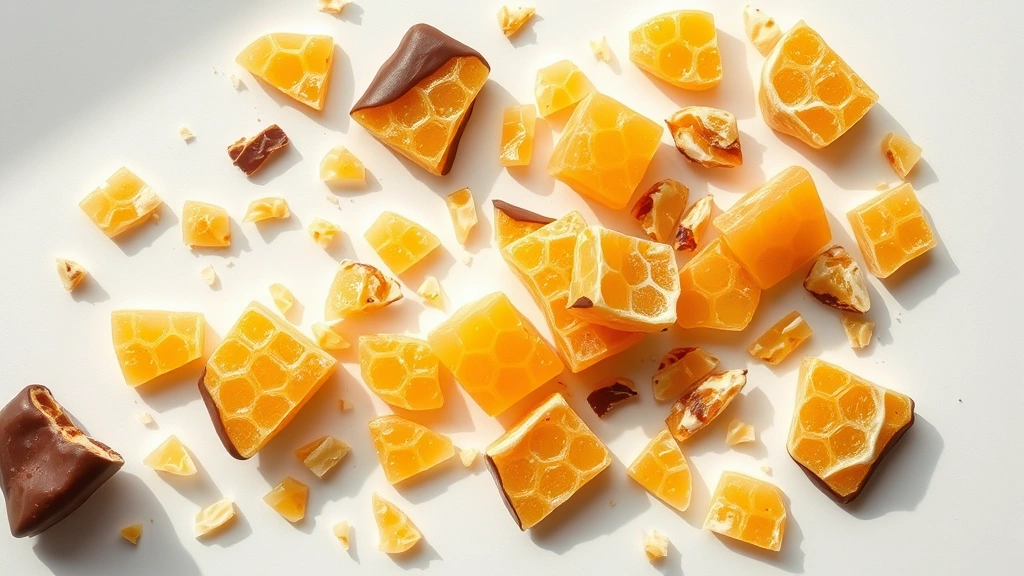
The truth about Dalgona is that it looks harder than it is. The intimidation factor is high, but the actual difficulty is low. You’re basically just cooking sugar to the right temperature and stirring in baking soda. That’s it. The first time you see that mixture foam up, you’ll feel like a wizard. And the first time you bite into a piece and it shatters in your mouth? That’s when you realize why this candy went viral.
Make a batch this weekend. Impress your friends. And once you’ve done it once, you’ll do it again. This is one of those recipes that builds confidence.


