

Here’s the thing: how to FaceTime on Android isn’t as straightforward as it is on iPhones, but it’s absolutely doable. If you’ve been wondering whether you’re stuck without FaceTime just because you use Android, the answer is no. Apple opened up FaceTime to Android users back in 2021, and now you can video call your iPhone-loving friends without any workarounds or third-party apps (though those options exist too). This guide walks you through every method to get FaceTime running on your Android device, from the official way to alternative solutions.
Using Official FaceTime on Android
The official way to use how to FaceTime on Android involves the FaceTime app, but here’s where it gets tricky: Apple doesn’t offer a standalone FaceTime app for Android in the Google Play Store. Instead, you join FaceTime calls through links sent by iPhone users. Think of it like this—an iPhone user creates the meeting room, and you get the key to enter through your Android phone.
To participate in FaceTime on your Android device, you’ll need:
- An Android phone or tablet running Android 5.0 or later
- A Google Chrome, Firefox, Samsung Internet, or Edge browser (most recent versions)
- A stable internet connection (WiFi or mobile data)
- A valid email address or phone number to receive the FaceTime link
The process is straightforward. When an iPhone user initiates a FaceTime call and includes Android participants, they’ll generate a unique FaceTime link. This link gets sent to you via text, email, or any messaging app. You tap the link, and it opens directly in your mobile browser. No app download required. No account creation necessary. You’re in.
According to Apple’s official support documentation, this feature works across all major Android browsers. The experience is clean—your camera and microphone activate, and you’re connected to everyone else on the call within seconds.
Pro Tip: Make sure your browser is up to date. Older browser versions sometimes have compatibility issues with FaceTime links. Check your app store for updates before your first call.
Creating and Sharing FaceTime Links from Android
Here’s where Android users hit a wall: you can’t create a FaceTime call directly from Android. Only iPhone, iPad, and Mac users can initiate FaceTime calls. But there’s a workaround if you’re determined to start the conversation.
If you have access to any Apple device (borrow a friend’s iPhone, use a family iPad, or log into iCloud on a Mac), you can create a FaceTime link and share it with your Android contacts. Here’s how:
- Open FaceTime on an Apple device
- Click the “Create Link” or “+” button (varies by device)
- Copy the generated FaceTime link
- Send it via email, text, or messaging app to your Android contacts
- They tap the link and join the call
For regular Android users who want to host video calls, this limitation means you’re better off using alternative apps. We’ll cover those in a bit, but understand that true FaceTime initiation is still an Apple-exclusive feature.
That said, if you’re frequently on FaceTime calls initiated by iPhone users, you’re covered. Just make sure the iPhone user has your correct email address or phone number saved in their contacts.
Safety Note: Only click FaceTime links from people you know and trust. Like any link, malicious actors could theoretically use them for phishing. When in doubt, verify the sender before joining.
Receiving FaceTime Calls on Android
This is where Android users have full parity with iPhone users. Receiving a FaceTime call on Android is simple and works reliably.
Step 1: Get the FaceTime Link
The iPhone user initiates a FaceTime call and adds you as a participant. They’ll send you a link via text message, email, WhatsApp, or any other communication method. The link looks something like: facetime.apple.com/join/?v=XXXXX
Step 2: Open the Link
Tap or click the link on your Android device. It automatically opens in your default mobile browser.
Step 3: Allow Permissions
Your browser will ask for permission to access your camera and microphone. Tap “Allow” when prompted. This is necessary for the other participants to see and hear you.
Step 4: Join the Call
You’ll see a screen with your name or email address. Tap “Join” and you’re connected. The video feed appears within seconds.
Step 5: Control Your Call
Once connected, you’ll see basic controls:
- Mute button: Toggles your microphone on and off
- Camera button: Turns your video feed on and off
- End call button: Disconnects you from the call
- Speaker/audio button: Switches between speaker and earpiece audio
The interface is minimal but functional. You’re not getting all the fancy effects that iPhone users enjoy (like filters or background blur), but you can see and hear everyone clearly.
According to The Verge’s technical analysis, the video quality on Android FaceTime calls is comparable to the iPhone experience, assuming both parties have decent internet connections.
Common FaceTime Issues and Fixes
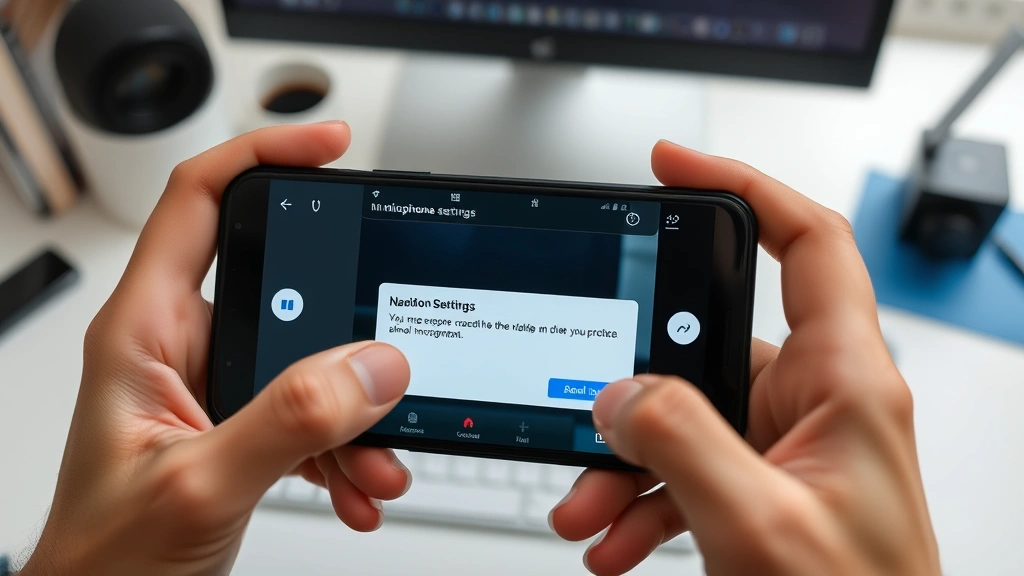
Even though how to FaceTime on Android is relatively straightforward, problems happen. Here are the most common issues and how to solve them.
Issue 1: “This Link Isn’t Working” Error
Sometimes you’ll tap a FaceTime link and get an error message. This usually means:
- The link has expired (FaceTime links expire after a certain period)
- The call has already ended
- Your browser doesn’t support FaceTime
- You’re using an outdated browser version
Fix: Ask the iPhone user to send you a fresh link. Make sure your browser is updated to the latest version. Try a different browser if one doesn’t work.
Issue 2: Camera or Microphone Not Working
You’re on the call but nobody can see or hear you. This is a permissions issue.
Fix: Check your browser’s camera and microphone permissions. On most Android devices:
- Go to Settings
- Tap “Apps” or “Applications”
- Find your browser (Chrome, Firefox, etc.)
- Tap “Permissions”
- Enable “Camera” and “Microphone”
- Return to the FaceTime call and refresh the page
Issue 3: Poor Video Quality or Lag
The video is choppy, freezing, or there’s a delay between audio and video.
Fix: This is almost always a connection problem. Try these steps:
- Move closer to your WiFi router
- Close other apps using your internet connection
- Switch from mobile data to WiFi (or vice versa)
- Restart your router
- Close and reopen the FaceTime link
If you’re on a weak 4G connection, you might not have enough bandwidth for smooth video. WiFi is always more reliable for FaceTime calls.
Issue 4: Audio Problems (Echo, Distortion, One-Way Audio)
You can hear the other person, but they can’t hear you, or there’s an echo.
Fix: Check these things in order:
- Make sure your microphone isn’t muted (tap the mute button to toggle it)
- Ensure your phone’s system volume isn’t turned down (use the volume buttons on the side of your phone)
- Move away from background noise sources
- Use headphones or earbuds to reduce echo
- Close other apps that might be using your microphone
Issue 5: “Browser Not Supported” Message
Your browser doesn’t meet FaceTime’s requirements.
Fix: FaceTime on Android officially supports Chrome, Firefox, Samsung Internet, and Microsoft Edge. Download one of these browsers from the Google Play Store and try again.
For broader internet troubleshooting, check your WiFi connection quality and restart your modem and router.
Alternative Video Calling Apps for Android
While FaceTime on Android works through links, you might prefer dedicated apps that give you more control and features. These alternatives let you initiate calls yourself and don’t require iPhone users to start the conversation.
Google Meet
Google’s video calling solution is free, reliable, and works across platforms. You can host meetings with up to 100 participants (though free tier limits group calls to 60 minutes). Download it from the Google Play Store, sign in with your Google account, and start calling. iPhone users can join through links or the dedicated app.
If your contacts use WhatsApp (and most do), video calling is built right in. Open a chat, tap the phone icon, and you’re calling. The advantage: everyone’s already using it. The disadvantage: slightly lower video quality than FaceTime or Meet.
Facebook Messenger
Another app most people already have installed. Video calls work smoothly, and you can call people by name rather than phone number. Group video calls are supported up to 50 people.
Zoom
The heavyweight of video conferencing. Zoom works flawlessly across Android and iOS. Free accounts allow unlimited 1-on-1 calls and 40-minute group calls. Perfect if you’re doing any kind of professional video calling.
Skype
Microsoft’s veteran video calling app still works great. It’s particularly useful if you or your contacts use Outlook or other Microsoft services. Video quality is excellent, and it’s free for basic calls.
The choice between FaceTime and these alternatives depends on your situation. If your social circle uses iPhones and initiates FaceTime calls, you’re covered with the browser method. If you want to control when calls happen and don’t mind using a different app, any of the above options work great.
Best Practices for Video Calling on Android
Getting FaceTime working is one thing. Making your video calls actually good is another. Here are habits that’ll improve your experience.
Lighting Matters More Than You Think
Position yourself so light comes from in front of you, not behind you. A bright window behind you will make your face dark and hard to see. If you’re indoors, turn on overhead lights or position a desk lamp to your side. You don’t need professional lighting—just avoid being backlit.
Internet Connection First
Video calling is bandwidth-intensive. If you’re on a weak connection, video suffers before audio does. Whenever possible, use WiFi instead of mobile data. If you must use mobile data, find a location with strong signal (usually closer to your phone’s source of signal, away from walls).
Test Your Setup Before Important Calls
Do a quick test call with a friend before that job interview or important family call. Make sure your camera angle is good, your audio is clear, and your lighting works. It takes two minutes and prevents embarrassing surprises.
Use Headphones for Better Audio
Built-in phone speakers and microphones work, but headphones or earbuds are better. They reduce echo, improve audio clarity, and let you move around without losing sound quality. Even cheap earbuds make a noticeable difference.
Minimize Background Distractions
Choose a location with a clean background. If you can’t avoid clutter, at least position yourself so the camera doesn’t show it. A blank wall is fine. A bedroom or office is better than a chaotic living room.
Keep Your Browser Updated
This applies to all video calling apps, but especially FaceTime. Developers regularly patch security vulnerabilities and improve performance. Check your app store monthly for updates.
Manage Your Data Usage
Video calls consume data quickly. A one-hour FaceTime call uses roughly 500 MB to 1 GB of data, depending on video quality. If you’re on a limited data plan, stick to WiFi or use lower-resolution alternatives like audio-only calls.
Frequently Asked Questions
Can I start a FaceTime call from my Android phone?
– No, not directly. Only iPhone, iPad, and Mac users can initiate FaceTime calls. Android users can only join calls through links provided by Apple device users. If you want to start video calls from Android, use Google Meet, WhatsApp, Zoom, or another alternative app instead.
Do I need to download an app to use FaceTime on Android?
– No. FaceTime works through your mobile browser (Chrome, Firefox, Samsung Internet, or Edge). When someone sends you a FaceTime link, you tap it and join through your browser. No app installation required.
Is FaceTime on Android free?
– Yes, completely free. You only need an internet connection (WiFi or mobile data). There are no hidden fees or premium tiers.
Can Android and iPhone users video call each other on FaceTime?
– Yes, absolutely. An iPhone user creates a FaceTime link and sends it to Android users. Everyone joins through the same link and can see and hear each other. The only limitation is that Android users can’t initiate the call—only join ones created by Apple device users.
What if the FaceTime link isn’t working?
– Links expire after a period of time or if the original call has ended. Ask the iPhone user to send you a fresh link. Also make sure your browser is updated and that you’re using a supported browser (Chrome, Firefox, Samsung Internet, or Edge).
Why can’t I use my camera or microphone on FaceTime?
– Your browser likely doesn’t have permission to access your camera and microphone. Go to your phone’s Settings, find your browser’s app settings, and enable Camera and Microphone permissions. Then return to FaceTime and refresh the page.
Is FaceTime secure on Android?
– FaceTime calls are encrypted end-to-end, meaning only participants can see and hear the conversation. Apple doesn’t store recordings or access call content. However, only join FaceTime links from people you know and trust, just as you would with any online service.
What’s the best alternative to FaceTime for Android users?
– Google Meet is the closest equivalent. It’s free, reliable, works across platforms, and lets you initiate calls. WhatsApp is also excellent if your contacts already use it. Choose based on what your friends and family already have installed.

Can I record FaceTime calls on Android?
– FaceTime calls through the browser don’t have a built-in recording feature visible to Android users. If you need to record, use a screen recording app, but be aware that recording calls without consent is illegal in some jurisdictions. Always ask permission first.
Does FaceTime on Android work on tablets?
– Yes. Any Android tablet with a camera, microphone, and a supported browser can join FaceTime calls the same way phones do. Just tap the FaceTime link and allow camera and microphone permissions.


