
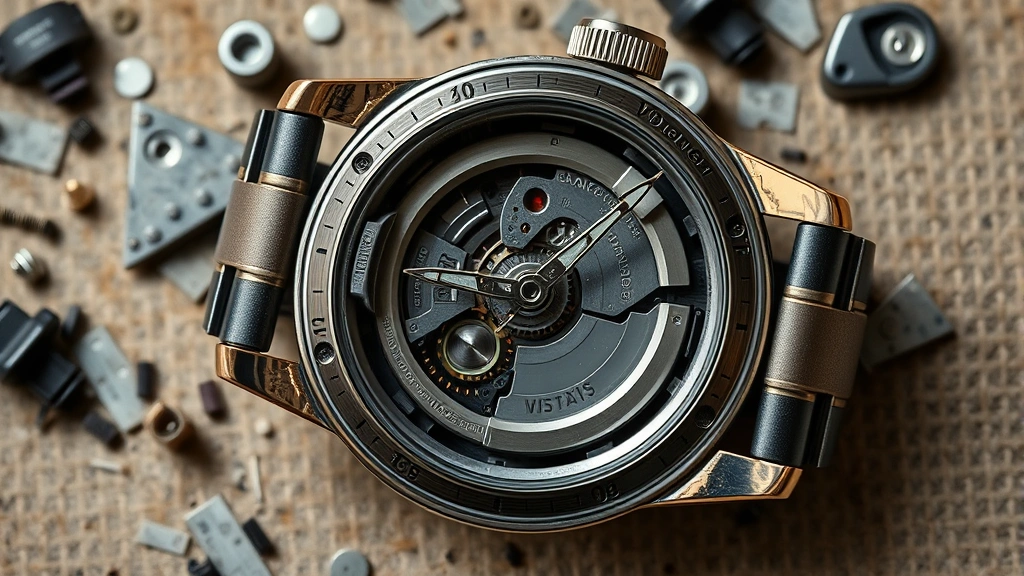
A dead watch battery feels like a small tragedy. Your favorite timepiece goes silent, and suddenly you’re tempted to buy a new one instead of spending five minutes fixing it. Here’s the thing: how to change a watch battery is genuinely one of the easiest repairs you can do yourself—if you know what you’re doing. I’ve seen people destroy perfectly good watches by forcing cases open or using the wrong tools. This guide walks you through the exact steps to swap a battery without damaging your watch, whether it’s a $20 quartz or something with sentimental value.
Gather the Right Tools (Yes, This Matters)
Don’t reach for a butter knife or flathead screwdriver from your junk drawer. Using the wrong tools is how watches get scratched, dented, or permanently damaged. Here’s what you actually need:
- Watch case opener tool: This is non-negotiable. A proper case opener has a specialized notch or slot that grips the case back without slipping. You can find them for $5-15 online or at any jewelry supply store. There are two main types: the screw-type (for watches with screwed-on backs) and the lever-type (for snap-on backs). Know which one your watch needs before you start.
- Small flathead screwdriver: Only for watches with tiny screws holding the battery in place. Make sure it fits the screw head snugly—a screwdriver that’s too big will strip the screw, and you’ll be stuck.
- Tweezers: Preferably plastic or rubber-tipped tweezers. Metal tweezers can scratch the watch interior or accidentally short-circuit the battery.
- Lint-free cloth: Microfiber or lens cloth works. You’ll wipe the interior to remove dust and debris.
- Small container: A cup or small bowl to hold tiny screws so they don’t roll away. Trust me, losing a watch screw is a special kind of frustrating.
- The correct replacement battery: This is critical. You need to know the exact battery model before you open the watch.
Think of these tools like a surgeon’s instruments—they’re designed for precision work. Improvising here is how you turn a five-minute job into a trip to the jeweler.
Identify Your Battery Type Before You Start
This step prevents you from opening the watch and then realizing you have no idea what battery you need. Here’s how to figure it out:
- Check the watch manual or warranty card: The original documentation usually lists the battery model number. If you lost it, check the manufacturer’s website—most have downloadable PDFs.
- Look inside the case back: Some watches have the battery type printed on the case back itself. You might see something like “SR626SW” or “LR626.” Snap a photo of this before you open it fully.
- Contact the manufacturer: If you have a quality watch, the brand’s customer service can tell you the battery type in minutes. This is especially worth doing for watches over $100.
- Visit a jeweler for a quick peek: Many jewelers will look inside your watch for free and tell you what battery you need. No obligation to buy anything.
- Place your watch face-down on a clean, padded surface (a towel or foam pad). This protects the crystal and dial.
- Insert the watch case opener tool into the slots. The tool should fit snugly—if it’s loose, you’re using the wrong tool.
- Turn counterclockwise slowly and steadily. Don’t force it. If it’s stuck, apply a tiny bit of penetrating oil (like WD-40) around the edge and wait a minute.
- Once loose, unscrew by hand. Keep the case back in a safe place—you’ll need to put it back on.
- Again, watch face-down on a padded surface.
- Insert the case opener into the notch or groove on the edge of the case back.
- Gently pry upward. You’ll feel it start to pop. Don’t yank—let the tool do the work.
- Once there’s a gap, use your fingernail or a plastic spoon to carefully lift the case back off.
- The battery sits in a small compartment, often held by a metal clip or retaining ring.
- Some watches have a tiny screw holding the battery holder in place. If so, use your small flathead screwdriver to remove it carefully.
- If there’s a metal clip, gently lift one end with a plastic tweezers to release the battery.
- Remove the new battery from its packaging. Some batteries come in protective plastic—remove this carefully.
- Using plastic tweezers, position the battery in the compartment with the positive side (+) facing up. Most watch batteries have the + symbol printed on the top. This is critical—installing it upside down won’t work.
- Lower the battery gently into place. If there’s a metal clip, secure it over the battery. If there’s a screw, replace it carefully without over-tightening.
- Double-check that the battery is seated flat and secure. It shouldn’t rattle or shift.
- Align the case back with the slots on the watch.
- Screw it on clockwise by hand until it’s snug. Then use the case opener tool to tighten it fully. Don’t over-tighten—you’ll strip the threads.
- Wipe the watch with a lint-free cloth.
- Align the case back and press down firmly until you hear a click. You’ll feel it snap into place.
- Test by trying to pry it open slightly with your fingernail. If it’s secure, you’re done.
Watch batteries fall into a few categories. The most common are SR (silver oxide) batteries, which are standard in most quartz watches. You’ll also encounter LR (alkaline) batteries and occasionally lithium batteries in digital watches. Each type has a specific model number, and using the wrong one can damage the watch’s circuit board or cause it to malfunction. Don’t guess—it takes 30 seconds to confirm the right battery.
Family Handyman has a solid visual breakdown of common battery types if you want to cross-reference.
Open the Watch Case Safely
This is where most DIY watch battery replacements go wrong. The case back is either screwed on or snapped on, and the method matters.
For Screw-On Case Backs
Look at the back of your watch. If you see tiny slots around the edge (like a screw head), it’s a screw-on back. Here’s the process:
The key here is patience. Forcing a screw-on back is how you strip the threads, and then you’ve got a real problem. Slow and steady wins.
For Snap-On Case Backs
These watches have a smooth case back with a small notch or groove. The lever-type case opener is designed for this:
Snap-on backs are actually easier than screw-on ones. The risk here is scratching the case, so use a plastic tool whenever possible.
Pro Tip: If your watch is water-resistant, there’s usually a rubber or plastic gasket (seal) around the case back. When you remove the back, handle this gasket carefully. If you damage it, your watch won’t be water-resistant anymore. Don’t wash it or get it wet until you’ve confirmed the seal is intact.
This Old House’s home repair philosophy applies here: respect the original design. Don’t modify or force anything.
Remove the Old Battery
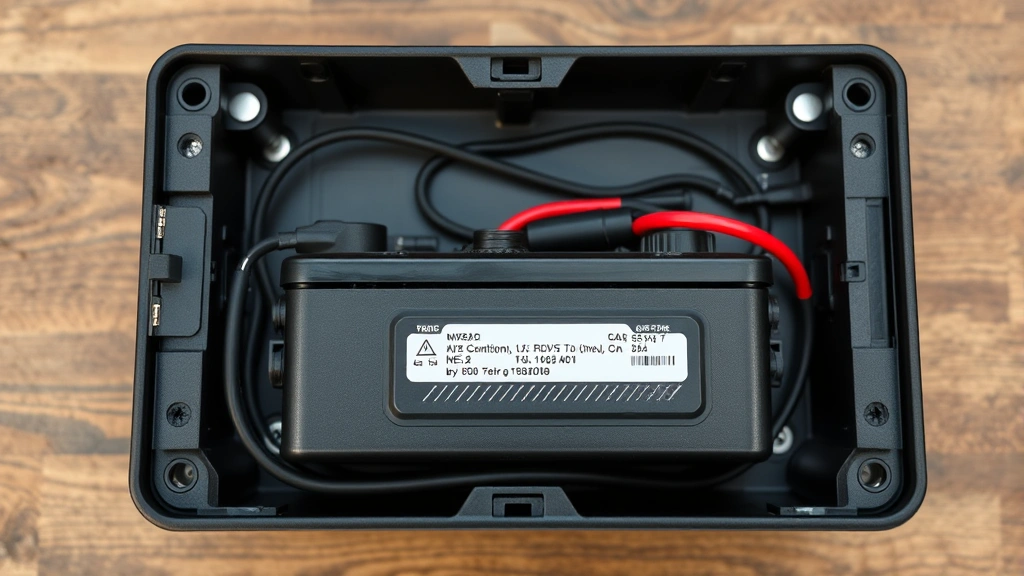
Now you can see inside the watch. It’s a small, circular metal disc—that’s your battery. Here’s what you’re looking at:
Use the plastic or rubber-tipped tweezers to lift the battery straight up. Don’t drag it across the circuit board—you could damage components. If the battery is stuck, it might have corrosion. A tiny dab of vinegar on the tweezers can help loosen it, but don’t soak anything.
Once the battery is out, inspect the compartment. If you see white or green crusty stuff (battery corrosion), that’s a sign the battery has been dead for a while. You can gently clean this with a cotton swab and a tiny amount of rubbing alcohol. Let it dry completely before installing the new battery. If corrosion is heavy, check out our guide on cleaning battery corrosion for more detailed steps.
Safety Note: Don’t touch the battery terminals or circuit board with bare hands. The oils on your skin can cause corrosion. Use tweezers or wear nitrile gloves.
Install the New Battery
This is the straightforward part, but precision matters. Here’s how:
That’s it. The battery installation takes maybe 10 seconds. The hard part is getting to this point without damaging the watch.
Before you close the case, test the watch. If it has a second hand, you should see it tick. If it’s a digital watch, the display should light up. If nothing happens, the battery might be installed upside down, or you might have the wrong battery type. Open it back up and verify.
Close and Test Your Watch
Now reverse the opening process. For screw-on backs:
For snap-on backs:
Now test your watch. Wear it for an hour and make sure it’s keeping time correctly. If the second hand is moving smoothly and the time is accurate, you’ve nailed it. If the watch is running fast or slow, that’s usually a sign the battery is low or the wrong type—but this is rare if you followed the steps correctly.
Bob Vila’s approach to home maintenance emphasizes testing your work, and the same applies here.
Troubleshooting Common Issues
The Watch Still Won’t Start
First, open it back up and verify the battery is installed with the positive side up. If it is, try a different battery of the same type. Occasionally, you’ll get a defective battery from the manufacturer. If a second battery doesn’t work, there might be a circuit board issue unrelated to the battery—at that point, a jeweler can diagnose further.
The Case Back Won’t Close Properly
For screw-on backs, you might have cross-threaded it. Unscrew completely, align carefully, and try again. For snap-on backs, make sure the gasket isn’t pinched or damaged. If the gasket is torn, you’ll need a replacement—this is a job for a jeweler.
You Stripped the Screw
This happens when the screwdriver is too large or you applied too much force. If the screw won’t tighten, remove it and take it to a jeweler. They can replace it with a slightly larger screw, or use a tiny bit of threadlocker compound to secure it. This is a $10-20 fix.
The Watch is Now Water-Resistant No Longer
If you damaged the gasket or didn’t reinstall it properly, water can get inside. Don’t submerge the watch. Have a jeweler inspect and re-seal it. This costs $20-50 depending on the watch.
You Lost a Tiny Screw
This is annoying but fixable. A jeweler can supply a replacement screw for a few dollars. Alternatively, some watch enthusiasts order spare screws online for their specific watch model. If you do this again, use that small container I mentioned earlier—seriously, it saves stress.
Real Talk: If something goes wrong and you’re unsure how to fix it, stop and take the watch to a jeweler. A $20-30 professional repair is better than turning a $5 battery replacement into a $200 watch repair. There’s no shame in knowing your limits.
Frequently Asked Questions
How often do watch batteries need to be replaced?
– Most watch batteries last 2-5 years depending on the watch type and usage. Digital watches and watches with backlights drain batteries faster. If your watch stops, it’s time for a new battery. Some watches have battery indicators that warn you before it dies completely.
Can I use any battery as long as it’s the right size?
– No. Battery chemistry matters. A SR (silver oxide) battery and an LR (alkaline) battery of the same size have different voltages and discharge rates. Using the wrong type can damage the watch’s circuit board or cause it to malfunction. Always match the exact model number.
Is it safe to open a luxury watch myself?
– If it’s a luxury watch (Rolex, Omega, etc.), I’d recommend having a professional do it. These watches often have more complex sealing systems, and opening one incorrectly can void the warranty or damage the watch permanently. A professional service costs more, but it’s insurance against a costly mistake.
What do I do with the old battery?
– Don’t throw it in the trash. Watch batteries contain mercury or other metals and should be recycled. Most pharmacies and electronics stores have battery recycling programs. Drop it off there.
How do I know if my watch is water-resistant after replacing the battery?
– If you didn’t damage the gasket and reinstalled the case back properly, it should maintain its original water resistance. However, if you’re unsure, don’t test it by submerging it. If the watch is valuable or you’re uncertain, have a jeweler pressure-test it ($20-30).
Can I replace the battery in a smartwatch myself?
– Most smartwatches are sealed and not designed for user battery replacement. Opening one will likely void the warranty and damage the device. Send it to the manufacturer for a battery replacement.
What if the battery compartment is corroded?
– This happens when a battery has been dead for a long time. Use a cotton swab and a tiny amount of rubbing alcohol to gently clean the corrosion. Let it dry completely before installing the new battery. If the corrosion is heavy or has damaged the circuit board, see our battery terminal cleaning guide for more detailed methods. In severe cases, a jeweler might need to professionally clean the movement.
Is there a risk of the battery leaking inside the watch?
– Rare, but possible. If a battery is installed incorrectly or left dead for years, it can leak. This is why you inspect the compartment before installing the new battery. If you see leakage, clean it carefully with rubbing alcohol before proceeding.

Can I replace a watch battery without a case opener tool?
– Technically, yes, but you’ll likely damage the watch. A case opener tool costs $5-15 and is worth every penny. Trying to open the case with a butter knife, coin, or screwdriver will scratch the case back, strip threads, or slip and damage the dial. Buy the right tool.
How long does a watch battery replacement take?
– If you have the right tools and know the battery type, 5-10 minutes. If you’re figuring things out as you go, maybe 20-30 minutes. A jeweler can do it in 5 minutes while you wait, though they’ll charge $10-30 for the service.


