

Want to know how to become a 911 dispatcher? Here’s the real talk: it’s not glamorous work, but it matters. You’re the first voice in someone’s worst moment. You stay calm when everything around you is chaos. You make split-second decisions that save lives. If that resonates with you, this guide walks you through exactly what it takes to land the job, pass the training, and actually succeed in the role.
The path to becoming a 911 dispatcher isn’t as straightforward as some careers, but it’s absolutely doable. Most agencies require a high school diploma or GED, pass a background check, and complete their specific training program—usually 4 to 12 weeks of intensive classroom and simulator work. The salary ranges from $30,000 to $50,000+ depending on your location and experience. The stress is real. The rewards are real too.
Basic Requirements to Become a 911 Dispatcher
Before you even think about applying, let’s cover the baseline. Every agency is slightly different, but these requirements are nearly universal:
- Age: Must be at least 18 years old (some agencies require 21)
- Education: High school diploma or GED is non-negotiable
- Valid Driver’s License: You’ll need a clean driving record for the background check
- Citizenship: Must be a U.S. citizen or permanent resident
- Background Check: Criminal history, drug use, and credit issues can disqualify you
- Medical and Psychological Evaluation: You’ll need to pass both to ensure you can handle the stress
- Vision and Hearing: Must meet specific standards (usually correctable to 20/20 vision)
The background check is thorough. They’ll talk to your references, check your social media, review your financial history, and interview people who know you. If you’ve got a DUI from five years ago, sealed juvenile records, or a pattern of job-hopping, that doesn’t automatically disqualify you—but you need to be honest about it and be prepared to explain it.
Think of the background check like a security clearance. Agencies need to know you won’t crack under pressure, won’t leak sensitive information, and won’t abuse the access you’ll have to people’s addresses and personal information.
Pro Tip: Start cleaning up your digital footprint now. Delete questionable social media posts, pay down debt if possible, and get any traffic violations cleared up before you apply. First impressions matter, and your background is your first impression.
The Application and Hiring Process
The hiring process typically takes 2 to 6 months from application to job offer. It’s not quick, and there are multiple gates you need to pass through. Here’s the typical sequence:
- Submit Your Application: Online portals are standard now. You’ll fill out forms, upload documents, and answer preliminary questions about your background and experience.
- Written Exam: This tests your reading comprehension, math, logic, and situational judgment. The test is designed to see how you think under pressure. You can’t really study for it—it’s more about how your brain works.
- Phone Interview or Initial Screening: A recruiter will verify information and ask basic questions about your motivation and availability.
- In-Person Interview: This is where personality and communication skills matter. They’re assessing whether you can stay calm, think clearly, and interact respectfully with the public and law enforcement.
- Panel Interview: Some agencies use a panel of dispatchers, supervisors, and HR staff. They’ll ask scenario-based questions like, “A caller is screaming and you can’t understand them. What do you do?”
- Background Investigation: This happens in parallel with interviews. Investigators will contact your references, employers, and neighbors.
- Medical Exam: Physical health screening, including blood work and sometimes a fitness test.
- Psychological Evaluation: A psychologist will assess your mental fitness for the role. They’re looking for signs of anxiety disorders, substance abuse, or personality traits that might make you unsuitable for high-stress work.
- Conditional Job Offer: Once you pass everything, you get the offer—conditional on completing the training program successfully.
During interviews, be honest about why you want the job. “I want to help people” is fine, but specificity is better. “I grew up in a neighborhood where response time mattered, and I want to be that person who makes sure help gets there fast” hits different.
According to the Bureau of Labor Statistics, competition for dispatcher positions is moderate to high in most areas, so standing out during the interview phase is crucial. Practice your answers beforehand, but don’t sound scripted.
911 Dispatcher Training Programs
Once you’re hired, the real work begins. Training is intense. Most agencies run 4 to 12-week academy programs, with some extending to 6 months depending on the jurisdiction’s complexity.
What You’ll Learn in Training:
- Emergency Medical Dispatch (EMD): How to give CPR instructions to callers, recognize symptoms, and dispatch appropriate medical resources
- Fire Dispatch: Understanding fire codes, building layouts, hazmat situations, and how to communicate with firefighters
- Police Dispatch: Criminal codes, warrant systems, officer safety protocols, and how to handle domestic violence, mental health crises, and active threats
- Computer Systems: CAD (Computer-Aided Dispatch) software, records management systems, and database searches
- Call Handling and Interrogation: How to extract critical information quickly, de-escalate angry callers, and identify life-threatening situations
- Radio Protocols: Clear, concise communication with field units using standardized codes and procedures
- Legal and Liability: Understanding your agency’s policies, liability issues, and when to escalate to supervisors
- Stress Management: Coping strategies for vicarious trauma, burnout, and the psychological toll of the job
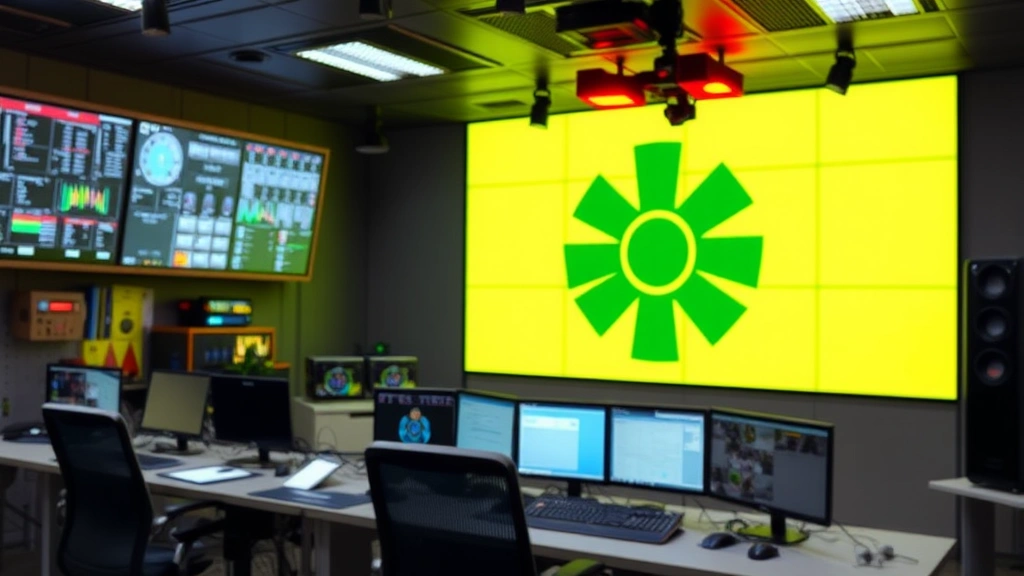
The training is classroom-based with heavy simulator work. You’ll take calls on a simulator that mimics real dispatch scenarios—active shooters, car accidents, suicides, child abuse. The goal is to train your muscle memory so that when real calls come in, you’re not thinking about procedures; you’re just doing them.
Failing training isn’t uncommon. Some people realize during the first week that they can’t handle hearing people in distress all day. Others struggle with the technical systems or can’t manage the multitasking. That’s okay. It’s better to figure that out in training than six months into the job.
According to the National 911 Program, standardized training is increasingly important as agencies recognize that dispatcher errors can have fatal consequences. Many states now require certification through organizations like the International Academies of Emergency Dispatch (IAED), which offers the Emergency Medical Dispatcher (EMD) and Emergency Fire Dispatcher (EFD) certifications.
Getting Certified and Licensed

Certification requirements vary by state and agency, but most require or strongly prefer EMD certification. Here’s what you need to know:
EMD Certification: The IAED’s EMD program is the gold standard. It’s a 24-hour course that covers medical terminology, patient assessment, and how to guide callers through life-saving interventions. You’ll take a written exam and a practical exam where you handle simulated calls. The certification is valid for three years, then you need to recertify.
State-Specific Licensing: Some states (like California and Florida) require state licensing for dispatchers. You’ll need to pass a state exam and maintain continuing education credits. Check your state’s requirements early—don’t wait until after training to find out you need additional certification.
CPR Certification: Many agencies require you to maintain CPR certification, even though you’re not performing CPR yourself. It keeps you current on protocols.
The certification process costs money—usually $300 to $600 for EMD training and exam. Your agency might cover this, or you might need to pay out of pocket. Ask during the hiring process.
Safety Note: Certification isn’t just a checkbox. These certifications exist because dispatcher errors kill people. A missed address, a misunderstood symptom, a delayed response—these things have real consequences. Take the training seriously and keep your certifications current throughout your career.
Essential Skills You’ll Need
Technical skills matter, but the soft skills are what separate good dispatchers from great ones.
Communication: You need to extract information quickly and clearly. A caller is panicking—you need to calm them down while getting their address, the nature of the emergency, and any hazards. You’re doing three things at once: listening, typing, and thinking about what resources to send.
Multitasking: You might be on a call with a citizen, monitoring radio traffic from field units, sending messages to officers, and watching your CAD system for updates. Your brain needs to compartmentalize.
Emotional Regulation: You’ll hear things that are hard to hear. A child in danger. Someone taking their own life. You can’t let that emotion bleed into your voice. Callers need to hear calm authority, not panic.
Problem-Solving: Not every situation fits neatly into a protocol. A caller might be incoherent, injured, or uncooperative. You need to think on your feet and get the information you need despite obstacles.
Attention to Detail: One wrong digit in an address means help goes to the wrong place. One misheard code means the wrong resources respond. Details matter.
Stress Tolerance: This job is stressful. You’ll work nights, weekends, and holidays. You’ll hear about tragedies. You’ll second-guess your decisions. If you’re prone to anxiety or have untreated mental health issues, this job will amplify them.
The good news? These skills can be learned and improved. Training focuses heavily on building them, and experienced dispatchers are usually willing to mentor newer staff.
What Your Day-to-Day Actually Looks Like
Here’s the unglamorous reality of the job.
You’ll work shifts—usually 8 or 12 hours. Many agencies operate 24/7, so you’ll rotate through day, evening, and night shifts. Night shifts are brutal. Your circadian rhythm suffers. Your social life suffers. Some people adapt; others burn out.
Your day might look like this:
- Briefing: You arrive 15 minutes early, get a briefing on ongoing situations, and log into your workstation
- Call Intake: You answer calls. Some are emergencies; many aren’t. “My neighbor’s dog won’t stop barking” is a real call you’ll take
- Dispatching: You send police, fire, or medical resources based on the call information
- Radio Communication: You monitor field units, relay information, and update them on changing situations
- Documentation: You create detailed records of every call for legal purposes and performance review
- Downtime: Between calls, you might grab coffee, chat with colleagues, or study for certification
The pace varies wildly. In a small town, you might handle 50 calls in a 12-hour shift. In a major city, you might handle 200. During major incidents—a multi-car accident, an active shooter—you’ll be slammed and adrenaline-fueled.
The job takes a psychological toll. OSHA recognizes dispatcher stress as a workplace safety issue. You’ll hear people dying. You’ll make decisions that you’ll replay for years wondering if you did the right thing. Peer support and mental health resources are essential, though not all agencies prioritize them equally.
The camaraderie, though, is real. Your coworkers understand the job in a way civilians don’t. You’ll develop tight bonds with the people you work with. That support network is often what keeps people in the job long-term.
Career Growth and Advancement Opportunities
Dispatcher isn’t a dead-end job. There are paths forward if you want them.
Supervisor or Manager: After 3-5 years as a dispatcher, you can move into supervisory roles. Supervisors oversee the dispatch floor, handle quality assurance, and manage personnel issues. The pay bump is usually 15-25%.
Training Specialist: If you’re good at explaining procedures and coaching newer dispatchers, you can move into training. You’ll develop curriculum, conduct training sessions, and mentor new hires.
Quality Assurance: You can review calls for compliance, accuracy, and performance. This role is less stressful than floor work and pays similarly to supervisory positions.
IT or System Administration: If you develop technical skills, you can move into managing the CAD systems, radio infrastructure, or other technology. These roles typically pay more and offer better hours.
Law Enforcement or Fire Service: Some dispatchers use the job as a stepping stone to becoming police officers or firefighters. You’ll have insider knowledge of how those services work, which is an advantage. The transition is easier than going directly from civilian to officer.
The median salary for dispatchers is around $40,000 to $45,000 according to Bureau of Labor Statistics data, with supervisors and specialists earning $55,000 to $70,000+. In high cost-of-living areas and large cities, these numbers are higher.
Benefits are usually solid. Most government agencies offer health insurance, retirement plans (often pension-based), and paid time off. The job security is excellent—emergency services aren’t going anywhere.
Frequently Asked Questions
Do I need prior experience to become a 911 dispatcher?
– No. Most agencies hire people with no dispatch experience and train them from scratch. Customer service experience, military background, or emergency services experience is helpful but not required. What matters is your ability to learn quickly, stay calm, and communicate clearly.
How long does it take to become a 911 dispatcher?
– From application to starting work, expect 3 to 8 months depending on your location and how quickly the agency hires. The training program itself is 4 to 12 weeks. You’re not fully independent until you’ve completed field training and shadowing, which can take another 3 to 6 months.
What disqualifies you from becoming a 911 dispatcher?
– Felony convictions, DUI convictions (depending on recency), a pattern of dishonesty, active substance abuse, or failing the psychological evaluation can disqualify you. Minor traffic violations, old misdemeanors, or financial struggles won’t automatically disqualify you if you can explain them and show you’ve addressed the underlying issues.
Can you become a dispatcher with a GED instead of a high school diploma?
– Yes. A GED is accepted by virtually all agencies. The requirement is a high school diploma or equivalent—a GED satisfies that.
What’s the salary for a 911 dispatcher?
– Entry-level dispatchers typically earn $28,000 to $40,000 depending on location. Experienced dispatchers with 5+ years earn $40,000 to $55,000. Supervisors and specialists earn $55,000 to $75,000+. Cost of living varies significantly by region, so check your specific area.
Is 911 dispatcher a good career?
– It depends on what you value. If you want to help people, have job security, and don’t mind shift work and stress, yes. If you need a quiet, predictable job with regular hours, no. The job is meaningful but demanding. Many dispatchers love it; others burn out within a few years.
Can you work as a dispatcher part-time?
– Most agencies hire full-time dispatchers only. Some smaller agencies or private dispatch centers might offer part-time work, but it’s rare. The job requires consistent training and you need to be available for shifts, which makes part-time difficult.
Do you need a college degree to become a 911 dispatcher?
– No. A high school diploma or GED is the minimum educational requirement. A college degree can help with advancement into supervisory or administrative roles, but it’s not required to start as a dispatcher.
What’s the difference between a 911 dispatcher and a police dispatcher?
– A 911 dispatcher takes emergency calls from the public. A police dispatcher (or radio dispatcher) transmits information to police officers and monitors their activity. Some agencies have separate positions; others combine them. You might start as a 911 dispatcher and move into police dispatch as you gain experience.
How do you handle the stress of being a 911 dispatcher?
– Coping strategies include peer support groups, therapy, exercise, and maintaining a life outside of work. Many agencies now offer critical incident stress debriefing after traumatic calls. Building strong relationships with coworkers is crucial—they understand the job in ways civilians don’t. If you’re struggling, use your agency’s employee assistance program (EAP) without shame.
The path to becoming a 911 dispatcher is straightforward but demanding. You need to meet the baseline requirements, pass the hiring process, complete training, and earn your certification. But here’s what matters most: you need to genuinely want to do this work. The pay isn’t exceptional. The hours are tough. The stress is real. What you get in return is the knowledge that you matter—that you’re the first voice in someone’s emergency, and that voice can save a life. If that’s worth it to you, then how to become a 911 dispatcher is a question worth answering. Start with your local agency’s career page, ask questions, and be honest with yourself about whether you can handle the job. The people you’ll help are counting on you.


