
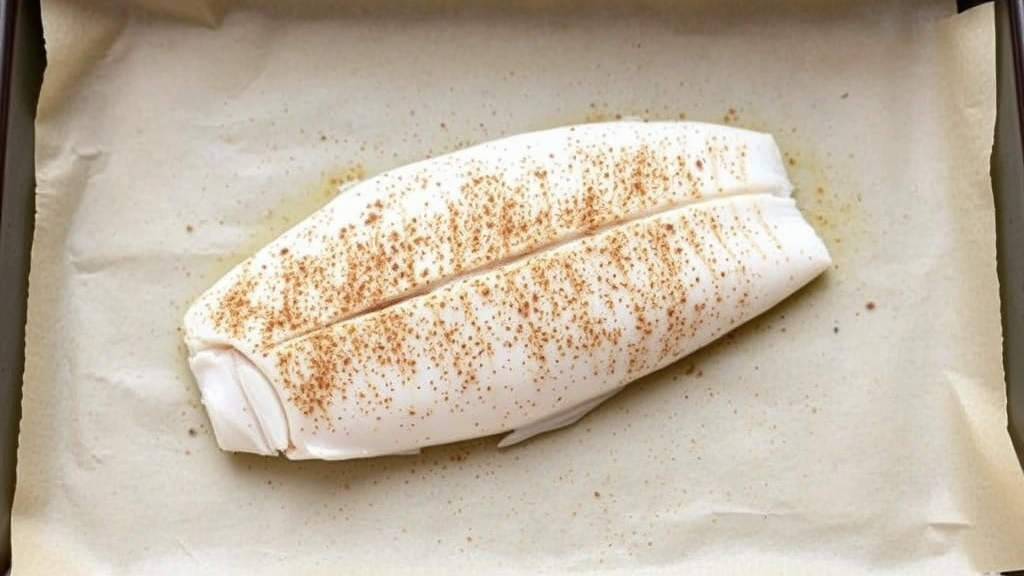
Let’s cut right to it: baking tilapia at 400°F takes 12 to 15 minutes, depending on fillet thickness. That’s it. Done. No guessing, no overcooked fish turning into rubber, no undercooked mess either.
But here’s the real talk—tilapia is one of the easiest proteins to mess up because it’s so lean. One minute too long and you’ve got a dry, flaky disaster. One minute too short and, well, you’re eating raw fish. The good news? Once you understand the basics, you’ll nail it every single time.
This guide walks you through everything: the exact timing, how to tell when it’s done, seasoning tricks, and common mistakes that wreck perfectly good fish. Whether you’re feeding yourself or a crowd, you’ll know exactly how long to bake tilapia and come away with restaurant-quality results in your home kitchen.
Baking Time at 400°F: The Baseline
At 400°F, standard tilapia fillets (about ½ inch to ¾ inch thick) bake in 12 to 15 minutes. Start checking at the 12-minute mark. If your fillets are thinner—closer to ⅜ inch—you’re looking at 10 to 12 minutes. If they’re thicker than ¾ inch, push toward 15 to 18 minutes.
The oven temperature matters because it’s the difference between gentle cooking and aggressive heat. At 400°F, you’re hitting a sweet spot: hot enough to cook through evenly without drying out the exterior, but not so brutal that the outside crisps before the inside cooks.
Here’s what’s happening inside the fish: the proteins are denaturing (unfolding and bonding), moisture is being driven out, and the flesh is turning opaque. This process is faster in tilapia than in denser fish like salmon or cod because tilapia is naturally lean and delicate.
Pro Tip: Preheat your oven for at least 10 minutes before baking. A fully preheated oven gives you consistent, predictable results. If you skip this step, your timing gets thrown off because the oven is still climbing to temperature while your fish is sitting there.
One more thing: if you’re baking multiple fillets at once, arrange them in a single layer with space between each piece. Don’t crowd the pan. Crowding traps steam and makes the fish cook unevenly—the edges will be done while the center is still mushy.
Why Thickness Matters More Than You Think
Thickness is the single biggest variable in how long to bake tilapia. Two fillets from the same fish can have wildly different cooking times if one is thicker than the other.
Here’s a quick reference:
- ⅜ inch thick: 10 to 12 minutes at 400°F
- ½ inch thick: 12 to 14 minutes at 400°F
- ¾ inch thick: 14 to 16 minutes at 400°F
- 1 inch thick (less common): 16 to 18 minutes at 400°F
The reason? Heat penetrates from the outside in. A thin fillet heats through quickly because the center is never far from the hot surface. A thick fillet takes longer because heat has to travel deeper into the flesh.
If you’re buying tilapia fillets from a grocery store, they’re usually inconsistent in thickness. The thin edge cooks faster than the thick part. This is why some home cooks butterfly or pound their fillets to an even thickness before baking—it guarantees even cooking.
To pound tilapia: place the fillet between two pieces of plastic wrap and use the flat side of a meat mallet to gently flatten it to about ½ inch. Don’t go crazy; you’re just evening it out, not pulverizing it. This single step eliminates the guesswork and takes your baking time down to a reliable 12 to 14 minutes.
How to Tell When Tilapia Is Actually Done
Forget the old “flakes with a fork” test. That’s how you end up with overcooked fish. By the time tilapia flakes easily, it’s already past the point of no return.
The real test is color and opacity. Raw tilapia is translucent and grayish. Cooked tilapia is opaque white. Look at the thickest part of the fillet—if it’s turned from see-through to solid white, you’re in the zone.
The second test is the gentle poke. Use a fork or the tip of a knife to press gently into the thickest part of the fillet. Undercooked tilapia resists and feels mushy or gelatinous. Properly cooked tilapia gives slightly but still has some resistance—it feels firm but not hard. Overcooked tilapia separates easily and feels dry.
If you want to be absolutely certain, use an instant-read meat thermometer. Insert it into the thickest part of the fillet, being careful not to touch the pan. Tilapia is done at 145°F (according to FDA guidelines for seafood safety). Once it hits 145°F, pull it out. Don’t wait for 150°F; that’s overcooked.
Here’s the honest truth: the first time you bake tilapia, you might overcook it. That’s normal. You’re learning the visual cues. By the third or fourth time, you’ll know exactly what cooked tilapia looks like in your oven, and you’ll nail it every time.
Prep and Seasoning for Maximum Flavor

Tilapia is a blank canvas. It’s mild, almost neutral in flavor. That’s a feature, not a bug—it means you can season it however you want. But it also means boring tilapia is just a few bad decisions away.
Pat the fillets dry first. Use paper towels and blot both sides. Moisture on the surface prevents browning and can make the fish steam instead of bake. You want some browning for flavor.
Season generously with salt and pepper on both sides. Don’t be shy—tilapia needs it. Add about 2 to 3 minutes before baking so the salt has time to penetrate, but not so long that it draws out moisture.
Classic flavor combos that work:
- Lemon and garlic: Squeeze fresh lemon juice, sprinkle minced garlic, drizzle olive oil. Simple and perfect.
- Cajun spice: Paprika, cayenne, garlic powder, onion powder. Gives it kick.
- Mediterranean: Olive oil, fresh herbs (dill, parsley, basil), capers, olives. Feels fancy but takes 2 minutes to prep.
- Asian-inspired: Soy sauce, ginger, sesame oil, scallions. Pairs well with steamed rice.
- Butter and herbs: Dill, thyme, or tarragon with a pat of butter on top. The butter melts and creates a light sauce.
If you’re using a marinade, keep it light and short—no more than 15 to 20 minutes. Tilapia is delicate, and prolonged marinating (especially with acidic ingredients like lemon or vinegar) can turn the texture mushy.
Pro Tip: Line your baking sheet with foil or parchment paper. It makes cleanup trivial and prevents sticking. If you’re using parchment, you can even create little packets (en papillote) that steam the fish and trap all the flavor inside. Fold parchment around the seasoned fillet with a splash of wine or broth, seal it, and bake for the same time. The packet keeps everything moist and makes plating look impressive.
Common Mistakes That Ruin Tilapia
Mistake 1: Skipping the preheat. If your oven isn’t fully preheated, the baking time becomes a guess. The oven is still climbing to temperature while your fish is cooking, which throws off everything. Preheat for 10 minutes minimum.
Mistake 2: Overcrowding the pan. Stack fillets or cram them too close together, and they steam instead of bake. Steam makes the texture soggy and pale. Space them out. If you need to bake 6 fillets and your pan only fits 4 comfortably, use two pans or bake in batches.
Mistake 3: Not patting the fish dry. Water on the surface prevents browning and makes the fish cook unevenly. Two seconds with a paper towel fixes this.
Mistake 4: Guessing on thickness. If you’re not sure how thick your fillets are, measure them with a ruler or by eye against your pinky finger. A ½-inch fillet is roughly the width of your pinky. This takes 5 seconds and saves you from overcooking.
Mistake 5: Using 425°F or higher. Higher heat sounds like it would cook faster, but with a lean fish like tilapia, it just dries out the outside before the inside cooks through. Stick with 400°F. It’s the Goldilocks temperature.
Mistake 6: Opening the oven door constantly. Every time you open the door, heat escapes and the cooking time extends. Resist the urge to peek. Set a timer, and check once at the 12-minute mark.
Mistake 7: Baking directly on a hot pan without oil or parchment. Tilapia sticks like crazy. Use oil, butter, parchment, or foil. Non-stick spray works too, but it’s not as reliable as a physical barrier.
Advanced Techniques for Restaurant Results
Once you’ve nailed the basics, here are some tricks that elevate tilapia from “weeknight dinner” to “I could’ve ordered this at a restaurant.”
Technique 1: Sear before baking. Heat a cast-iron or stainless steel skillet over medium-high heat. Add oil and get it shimmering. Sear the tilapia skin-side up for 2 to 3 minutes until the bottom gets golden. Then transfer the whole skillet to the oven and bake for 8 to 10 minutes. The sear creates flavor through browning (the Maillard reaction), and finishing in the oven ensures even cooking. This is how restaurants do it.
Technique 2: Poaching in a shallow liquid. Instead of dry-baking, pour a shallow layer of white wine, broth, or even lemon juice into the pan. The liquid keeps the fish moist and infuses it with flavor. Bake for 12 to 15 minutes as usual. The liquid becomes a light sauce you can drizzle over the finished fish.
Technique 3: En papillote (parchment packets). Tear off a piece of parchment paper about 12 inches long. Fold it in half, then arrange the tilapia fillet on one half with seasonings, a splash of wine, and some vegetables (thin slices of zucchini, bell pepper, or asparagus). Fold the parchment over and crimp the edges to seal. The packet steams the fish in its own juices. Bake for 12 to 15 minutes. When you open the packet at the table, the aroma is incredible. It’s also foolproof because the enclosed environment prevents drying.
Technique 4: Topping with breadcrumbs or nuts. Mix panko breadcrumbs with melted butter, grated Parmesan, and fresh herbs. Spread a thin layer on top of the tilapia before baking. The topping gets golden and crispy while the fish stays moist underneath. Bake for 12 to 15 minutes. This adds texture and looks professional.
Technique 5: Finishing with a compound butter. Make a simple compound butter by mixing softened butter with minced garlic, fresh herbs, lemon zest, and a pinch of salt. Place a pat on top of the tilapia right after it comes out of the oven. The residual heat melts it into a luxurious sauce. This is restaurant-level simple.
Storage and Reheating
Leftover baked tilapia lasts 3 to 4 days in an airtight container in the fridge. Store it on a plate lined with paper towels to absorb excess moisture.
To reheat: place it on a parchment-lined baking sheet, cover loosely with foil, and warm it in a 275°F oven for 8 to 10 minutes. Low and slow prevents drying. Microwaving works in a pinch—cover the fish and heat for 1 to 2 minutes—but the texture won’t be as good.
Honestly, leftover tilapia makes an amazing fish taco filling or salad topper. Flake it apart, toss it with a squeeze of lime and some cilantro, and you’ve got lunch sorted.
One more thing: if you’re planning to make a sauce from the pan drippings, bake the tilapia in a shallow pan with a little liquid (wine or broth) so there’s something to work with. Once the fish is done and plated, deglaze the pan with a splash of white wine or lemon juice, scraping up the browned bits. Whisk in a touch of cream or butter, and you’ve got a sauce ready in 2 minutes.
Frequently Asked Questions
Can I bake tilapia at a different temperature?
– Yes, but it changes the timing. At 375°F, add 3 to 5 minutes (15 to 20 minutes total). At 425°F, subtract 2 to 3 minutes (10 to 12 minutes total). Stick with 400°F for consistency and the best results. Higher temperatures dry out lean fish faster than they cook it through evenly.
How do I know if tilapia is frozen or fresh?
– If it’s labeled “previously frozen,” it was frozen at sea and thawed for sale. If it’s labeled “fresh,” it never froze. For baking, either works fine. If you’re baking from frozen, don’t thaw it—just add 5 to 7 minutes to the baking time and check for doneness using the color and thermometer tests.
Can I bake tilapia with the skin on?
– Absolutely. The skin protects the delicate flesh and keeps it moist. Bake skin-side down on a parchment-lined sheet. The timing stays the same (12 to 15 minutes). The skin crisps slightly if you sear the fillet first, which is great. Some people eat the skin; others remove it after cooking. It’s personal preference.
What’s the difference between tilapia and other white fish?
– Tilapia is leaner and more delicate than cod or halibut, which means it dries out faster. Cod and halibut can handle slightly longer baking times or higher temperatures without falling apart. If you’re substituting tilapia with another white fish, reduce the baking time by 1 to 2 minutes because tilapia is smaller and thinner on average.
Why is my tilapia always dry?
– You’re probably overbaking it. Check for doneness at 12 minutes, not 15. Use a meat thermometer if you’re unsure (145°F is the target). Also, make sure you’re patting the fish dry before baking and using some fat (oil, butter, or a sauce) to keep it moist. Dry tilapia is almost always a timing issue.
Can I bake tilapia covered with foil?
– Yes, and it helps retain moisture. Cover the pan loosely with foil for the first 10 minutes, then remove it for the last 2 to 4 minutes if you want some browning. Or leave it covered the whole time if you prefer a steamed texture. The timing stays the same (12 to 15 minutes).
What sides pair well with baked tilapia?
– Steamed vegetables (broccoli, asparagus, green beans), roasted potatoes, rice, couscous, or a simple salad. Tilapia is light, so pair it with sides that aren’t too heavy. A squeeze of lemon and fresh herbs on the side never go wrong.

Is tilapia healthy?
– Yes. It’s high in protein, low in fat, and a good source of omega-3 fatty acids (though less than fatty fish like salmon). It’s also affordable and widely available, which is why it’s a staple in many kitchens. According to American Heart Association guidelines, eating fish like tilapia 2 to 3 times per week is part of a healthy diet.
Can I bake tilapia in a toaster oven?
– Yes, with one caveat: toaster ovens heat unevenly. You might need to rotate the pan halfway through baking. Start checking at 10 minutes because toaster ovens can run hot. The timing is roughly the same (12 to 15 minutes), but monitor it closely the first time.


