
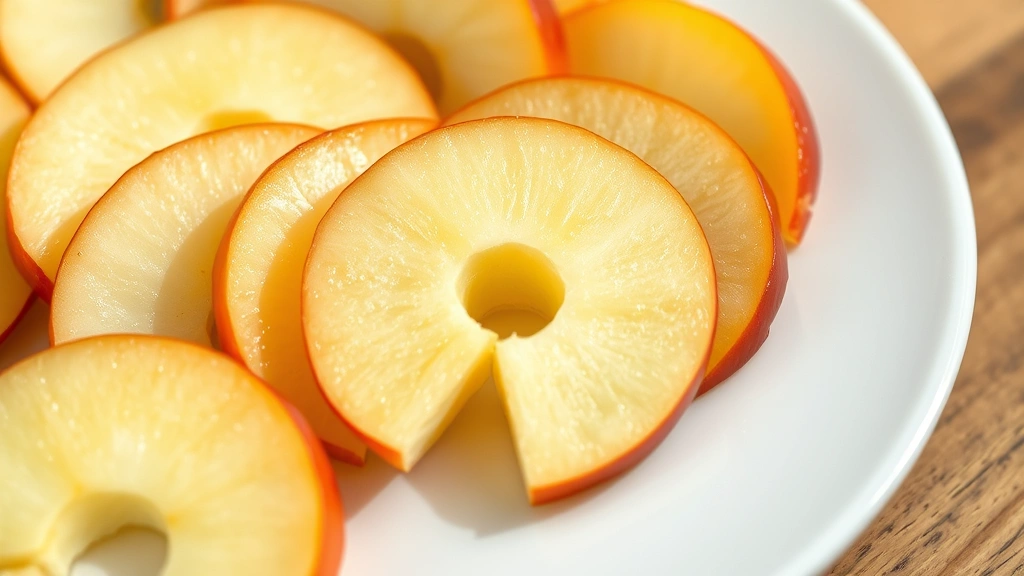
You slice up a beautiful apple for lunch, and 20 minutes later it looks like something from a sad lunch box. That brown oxidation isn’t just ugly—it’s frustrating, especially when you’re prepping fruit for kids, a charcuterie board, or meal prep. The good news? Keeping apple slices from turning brown is simple once you understand the science behind it. We’re going to walk you through every method that actually works, from the chemistry of oxidation to practical tricks you can use right now.
The browning happens because of an enzyme called polyphenol oxidase (PPO). When you cut an apple, you expose its flesh to oxygen, and PPO reacts with that oxygen to create brown compounds. It’s the same reason cut avocados and potatoes turn dark. But here’s the thing: you can stop this reaction cold with acid, sugar, salt, or even just smart storage. Let’s dig into the real solutions.
Lemon Juice & Citric Acid: The Gold Standard
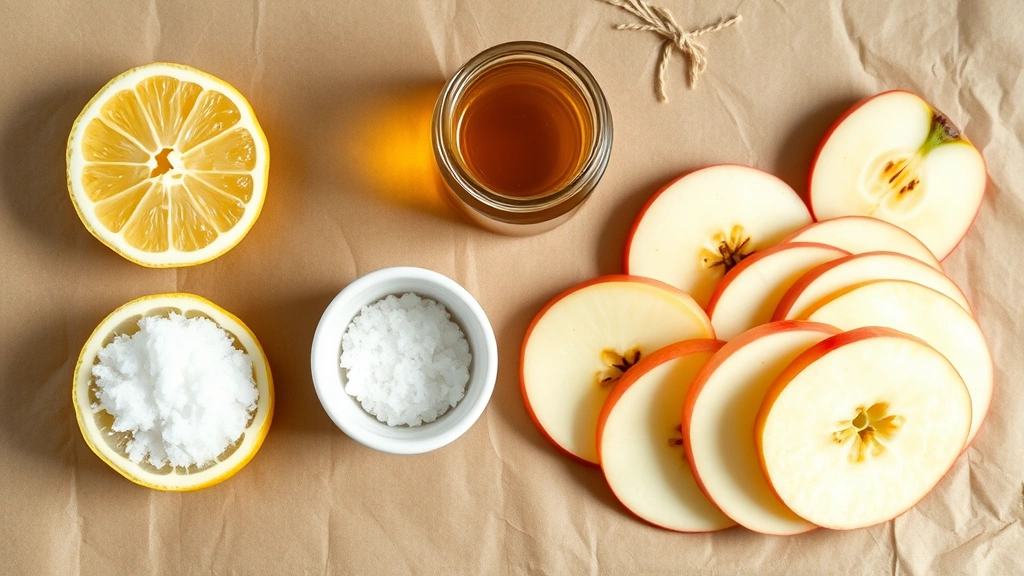
This is the fastest, most reliable method for how to keep apple slices from turning brown. Lemon juice works because the citric acid lowers the pH around the apple flesh, which essentially puts the PPO enzyme to sleep. You don’t need much—a light coating does the job.
How to do it:
- Slice your apples and place them in a bowl
- Squeeze fresh lemon juice over the slices (about 2 tablespoons per 4-5 apples)
- Toss gently to coat all surfaces
- Let sit for 30 seconds, then transfer to a container or plate
The apples will stay fresh-looking for 3-5 hours at room temperature, or up to 24 hours in the fridge. The lemon flavor is barely noticeable unless you’re eating them plain, and honestly, it pairs well with most snacks.
If you don’t have fresh lemon, bottled lemon juice works just as well. Lime juice does too, though it adds a slightly different flavor. You can also use white vinegar in a pinch—it’s less pleasant to taste, but chemically it does the same thing.
Pro Tip: Mix lemon juice with a tiny bit of water if you’re worried about the apples tasting too acidic. A 50/50 ratio still prevents browning but mellows the flavor.
Salt Water Soak: The Underrated Champion
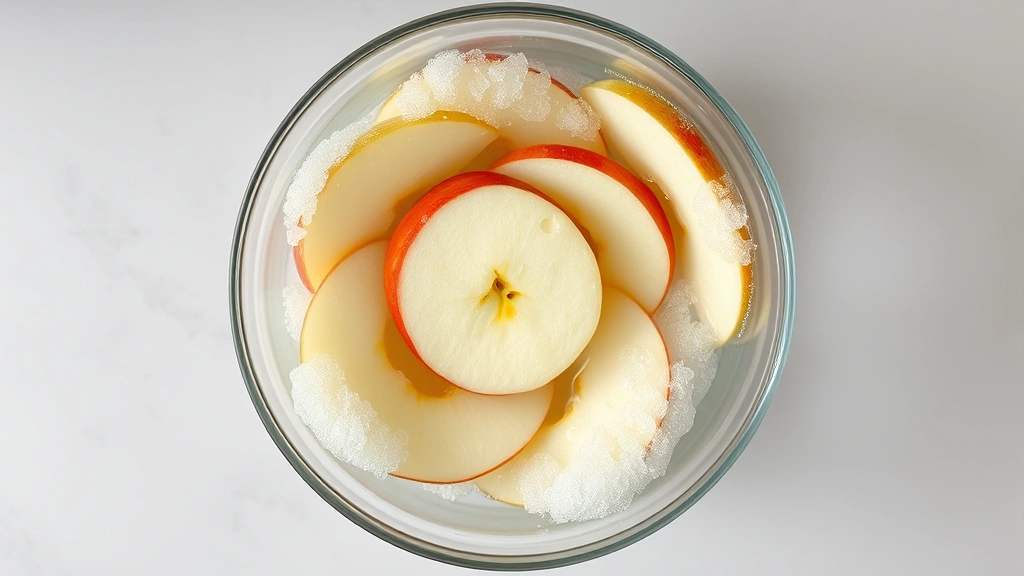
Salt water sounds weird, but it’s genuinely one of the best methods for keeping apple slices fresh. A light salt solution (about 1/4 teaspoon per cup of water) prevents browning just as effectively as lemon juice, and the flavor is completely neutral. You won’t taste it at all.
How to do it:
- Mix 1/4 teaspoon of salt into 1 cup of cold water
- Slice your apples and immediately submerge them in the salt water
- Let them soak for 5-10 minutes
- Drain and pat dry with a paper towel before serving or storing
The salt water method is particularly good if you’re prepping apples hours in advance. Apples soaked in salt water stay crisp and fresh-looking for up to 8 hours in the fridge. This makes it ideal for meal prep or if you’re cutting apples the night before a school lunch.
The science here is slightly different from acid. Salt reduces water activity on the apple’s surface, which slows oxidation. It’s not as flashy as the chemistry of lemon juice, but it’s reliable and doesn’t change the taste.
Honey Water Method: Sweet & Effective
If you want your apple slices to taste slightly sweet and stay protected, honey water is your answer. This method combines the protective power of honey with a touch of sweetness that kids especially love.
How to do it:
- Mix 1 tablespoon of honey with 1 cup of water (warm water helps dissolve the honey faster)
- Let the honey water cool to room temperature
- Slice your apples and submerge them for 1-2 minutes
- Remove and pat dry
Apples treated with honey water stay fresh for 4-6 hours at room temperature. The honey creates a protective barrier on the apple’s surface, and the sweetness is subtle enough that it doesn’t overpower the apple flavor. This is a great option if you’re packing apples for kids or adding them to a snack box.
One note: honey water can make the apple slices slightly sticky, so pat them dry before storing to prevent them from sticking together.
Sugar & Cinnamon Coating: The Dessert Approach
This method is less about preventing browning and more about making the browning irrelevant because the apples taste amazing. If you’re preparing apples for a dessert, snack board, or baking project, a light sugar and cinnamon coating is the way to go.
How to do it:
- Mix 2 tablespoons of sugar with 1 teaspoon of cinnamon in a shallow bowl
- Slice your apples and lightly brush with honey or a light sugar syrup
- Roll the apple slices in the cinnamon-sugar mixture
- Arrange on a plate or in a container
The sugar coating does slow oxidation slightly because it creates a barrier, but the real benefit is that even if the apples brown a little, they taste delicious. This method keeps apples fresh-looking for 2-3 hours and is perfect for serving at parties or as a quick dessert.
You can also add a pinch of nutmeg or vanilla powder to the sugar mixture for extra flavor. This approach is especially good with sweeter apple varieties like Gala or Fuji.
Airtight Storage & Vacuum Sealing: The Oxygen Approach
Here’s a different strategy: if you can’t remove oxygen from the apple’s surface, you can prevent oxygen from reaching it in the first place. This is where airtight storage comes in.
Methods:
- Plastic wrap: Wrap individual apple slices tightly in plastic wrap. This works but is wasteful and doesn’t seal out all oxygen.
- Airtight containers: Store sliced apples in a glass or plastic container with a tight-sealing lid. Fill the container as full as possible to minimize air space. Apples stay fresh for 4-6 hours at room temperature, up to 24 hours in the fridge.
- Vacuum sealing: If you have a vacuum sealer, this is the gold standard. Remove almost all air from the bag, and apples will stay fresh-looking for 24-48 hours in the fridge. This is worth doing if you meal prep regularly.
- Water submersion: Keep apple slices submerged in a container of water in the fridge. This works surprisingly well—apples stay fresh for up to 48 hours. Change the water every 12 hours if possible. The downside is that the apples absorb water and become slightly mushy, but they stay crisp enough for most uses.
The water submersion method is underrated. It’s cheap, requires no special equipment, and works. Just drain the water thoroughly before serving or using the apples in a recipe.
Commercial Anti-Browning Products: When You Need Convenience
If you’re looking for a one-and-done solution, commercial anti-browning products exist. The most common is FamilyHandyman’s recommended kitchen products, though for this specific use, you’re looking at products that contain calcium ascorbate or sodium bisulfite.
Products like Fruit Fresh (made by Ball) are designed specifically to prevent browning in canned and frozen fruits, but they work on fresh-cut apples too. You sprinkle the powder over cut apples, and it prevents browning for several hours.
How to use:
- Follow the package instructions (usually 1/8 teaspoon per apple)
- Sprinkle over sliced apples immediately after cutting
- Toss gently to coat
These products work well, but they’re not necessary if you have lemon juice, salt, or honey at home. They’re mainly useful if you’re canning or freezing apples in bulk. For everyday use, the methods above are simpler and cheaper.
One thing to note: some people are sensitive to sulfites, which are sometimes used in commercial anti-browning products. Always read the label if you’re buying a commercial product.
Best Apple Varieties to Prevent Browning
Here’s something most people don’t think about: some apple varieties brown faster than others. If you want to keep apple slices from turning brown naturally, start by choosing the right apples.
Slow-browning varieties:
- Granny Smith: High in acid naturally, so they brown slower than most varieties. They’re tart, but great for snacking and salads.
- Pink Lady (Cripps Pink): Naturally resistant to browning and sweet. These are expensive but worth it if you’re prepping apples in advance.
- Honeycrisp: Crisp, sweet, and relatively slow to brown. They’re pricey but hold up well when sliced.
- Gala: Sweet and crisp, with moderate browning resistance. A good middle-ground option.
Fast-browning varieties to avoid if you’re prepping ahead:
- Red Delicious (they brown quickly and get mealy when cut)
- McIntosh (soft and oxidize fast)
- Jonagold (delicious but brown quickly)
If you’re buying apples specifically to slice and serve later, reach for Granny Smith or Pink Lady. The extra dollar or two you spend upfront saves you from having to treat them with lemon juice or salt water.
That said, don’t let this stop you from using whatever apples you have. A quick dip in lemon juice or salt water takes 30 seconds and solves the problem entirely. The variety matters more if you’re trying to avoid any extra steps.
Frequently Asked Questions
How long do apple slices last before turning brown?
– Without any treatment, apple slices start browning within 5-10 minutes and become noticeably brown within 30 minutes at room temperature. In the fridge, untreated apples will brown within 1-2 hours. With any of the methods described above (lemon juice, salt water, honey water, or airtight storage), you can extend this to 4-24 hours depending on the method.
Does rinsing apples in water help prevent browning?
– Plain water does not prevent browning. In fact, rinsing apples in plain water and then leaving them exposed can actually speed up browning because you’re introducing moisture and oxygen. Water alone doesn’t lower pH or create a protective barrier. You need acid (lemon juice, vinegar), salt, or airtight storage to actually prevent oxidation.
Can I use apple juice or other juices to prevent browning?
– Apple juice contains some acid and sugar, so it does slow browning slightly, but not as effectively as lemon juice or salt water. Orange juice works better because it’s more acidic. If you’re using juice, treat it the same way as lemon juice—a light coating is enough. The downside is that fruit juice adds flavor, which not everyone wants on their apple slices.
Is it safe to eat apples that have turned brown?
– Yes, completely safe. Browning is purely a cosmetic change caused by oxidation. It doesn’t indicate spoilage or food safety issues. The brown compounds (melanin) are the same pigments found in your skin. That said, if an apple slice smells off, feels slimy, or shows mold, don’t eat it—those are signs of actual spoilage.
Does the type of water matter when making salt water or honey water?
– For salt water and honey water, tap water is fine. If your tap water is heavily chlorinated and you’re sensitive to that taste, use filtered water. The difference is minimal. Cold water works slightly better than room temperature water because it slows enzyme activity, but the difference is negligible. Warm water is fine for dissolving honey quickly.
Can I prevent browning by storing apples in the freezer?
– Yes, freezing stops browning entirely because it halts enzyme activity. However, freezing changes the texture of apples—they become mushy when thawed. Freezing is great if you’re planning to use the apples in smoothies, baking, or cooking, but not if you want to eat them fresh. For fresh eating, use the methods above instead. If you do freeze apples, treat them with lemon juice first to minimize browning before freezing.
How much lemon juice do I need to prevent browning?
– You need about 2 tablespoons of lemon juice per 4-5 medium apples. This is enough to coat all the surfaces without making the apples taste overly acidic. If you’re worried about the taste, you can dilute the lemon juice with a little water (50/50 ratio). The exact amount isn’t critical—even a light squeeze over the apples will slow browning significantly.
Do I need to peel apples before treating them with lemon juice or salt water?
– No, you don’t need to peel them. The browning happens on the cut flesh, not the skin. Treating the cut surfaces is enough. If you prefer peeled apples, peel them first, then immediately treat them with lemon juice or salt water to prevent browning on the peeled surface.
Can I use vinegar instead of lemon juice?
– Yes, vinegar works. White vinegar, apple cider vinegar, and rice vinegar all prevent browning because they’re acidic. The downside is that vinegar has a stronger taste than lemon juice, so the apples might taste vinegary. Use less vinegar than you would lemon juice—about 1 tablespoon per 4-5 apples. Lemon juice is the better choice if taste is a concern.


