
Eyelash extensions look incredible—until they don’t. Maybe they’re growing out, getting uncomfortable, or you’re just ready for a break. The problem? Ripping them out yourself is a fast track to damaged natural lashes, irritation, and regret. Learning how to remove eyelash extensions safely is non-negotiable if you want to keep your real lashes healthy long-term.
Here’s the real talk: professional removal at a salon is the gold standard, but it’s expensive and time-consuming. The good news? You can remove eyelash extensions at home without destroying your natural lashes—if you do it right. This guide walks you through every method, the tools you actually need, and the mistakes that’ll cost you.
Professional Removal vs. DIY: Know Your Options
Let’s start with the uncomfortable truth: professional removal is safer. A lash technician has the right tools, training, and removal solution (usually a specialized adhesive remover) that dissolves the bond without yanking. They won’t accidentally pull out your natural lashes or irritate your eye area.
That said, professional removal costs $15–$50 per session, and many salons charge this as a separate fee on top of new lash applications. If you’re just taking a break or can’t afford it, DIY removal is possible—you just need patience and the right technique.
The DIY route takes longer (think 30–45 minutes vs. 10 minutes at a salon), requires more precision, and has a higher risk of mishaps. But thousands of people do it successfully every month. The key difference? They follow a method, don’t rush, and respect the fact that your natural lashes are delicate.
Pro Tip: If you’ve never removed extensions before, consider getting professional removal done once. Watch what the tech does, ask questions, and then you’ll feel more confident doing it yourself next time.
The Steam Method (Safest DIY Option)
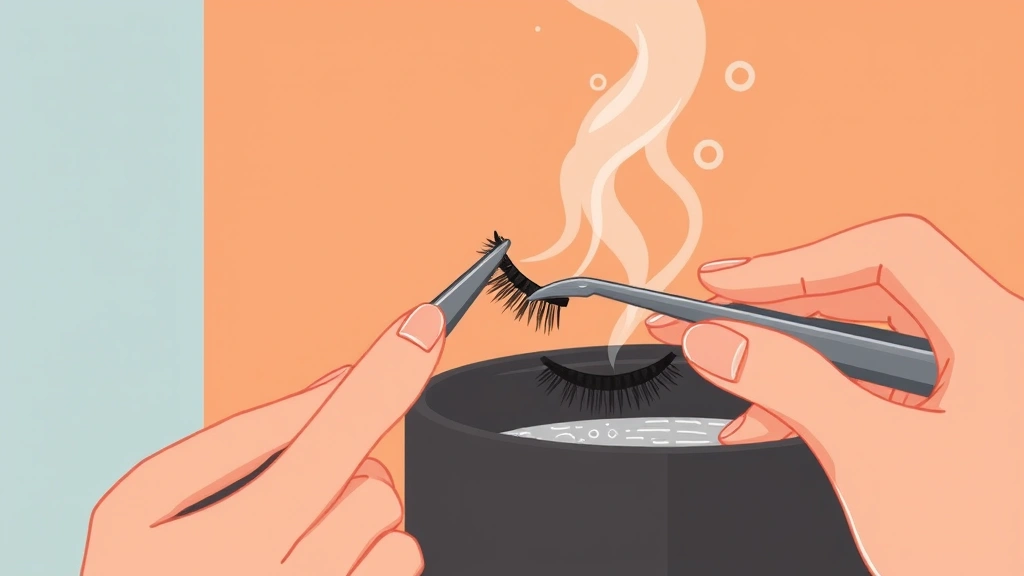
Steam is your best friend here. It softens the adhesive without harsh chemicals, and it’s gentle on your skin and eyes. Think of steam like a warm hug for the lash bond—it loosens everything up without forcing anything.
Here’s the step-by-step process:
- Wash your face with a gentle cleanser and pat dry.
- Boil water in a pot or use a facial steamer if you have one.
- Lean your face over the steam (not touching the pot) for 10–15 minutes. Keep your eyes open and let the steam reach the lash line.
- Use a clean spoolie brush (the wand from an old mascara bottle works) to gently brush through your lashes in an upward motion.
- After steaming, some extensions may start to loosen. Use tweezers to gently grasp an extension at the base (where it bonds to your natural lash) and pull slowly at a 45-degree angle away from your eye.
- Repeat steaming and gentle removal until all extensions are off. This may take 2–3 rounds.
- Once done, rinse with cool water and apply a soothing eye cream.
The beauty of this method? It’s nearly impossible to mess up badly. The worst-case scenario is that some extensions don’t come off on the first try, and you repeat the process. No chemical burns, no forced pulls, no drama.
Safety Warning: Don’t lean directly over boiling water. Keep your face 6–8 inches away to avoid steam burns. If the steam feels too hot, back up a bit.
Using Oil to Break Down Adhesive
Most lash adhesives are cyanoacrylate-based (the same stuff in Super Glue). Oil dissolves this type of bond—that’s why oil-based makeup removers work. The trick is using the right oil and not overdoing it.
Best oils for lash extension removal:
- Coconut oil (most popular, gentle on skin)
- Olive oil (affordable, effective)
- Jojoba oil (similar to skin’s natural oils)
- Baby oil (mineral oil, works well but less natural)
The oil removal method:
- Wash your face and let it dry completely.
- Apply a small amount of oil to a cotton pad or cotton swab.
- Gently press the oiled pad against your lash line, focusing on where the extensions bond to your natural lashes.
- Hold it there for 2–3 minutes. The oil needs time to penetrate the adhesive.
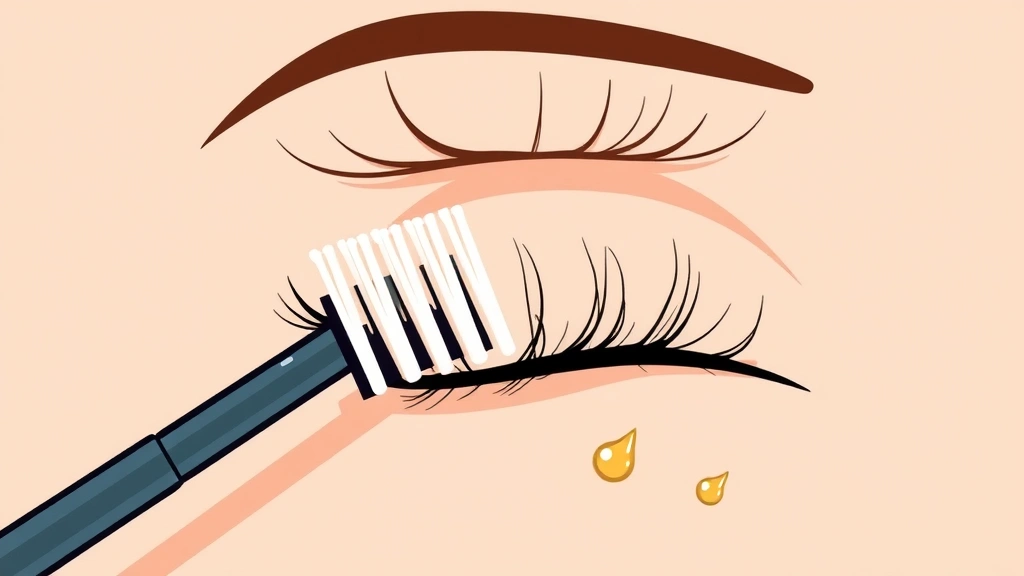
- Using a clean spoolie or soft brush, gently comb through your lashes. You may feel some extensions starting to release.
- With tweezers, gently grasp the extension base and pull at a 45-degree angle. If it resists, apply more oil and wait another minute.
- Repeat until all extensions are removed.
- Wash your face thoroughly to remove all oil residue (this prevents breakouts and keeps lashes clean).
The downside? Oil can feel greasy, and if you don’t wash it off completely, it can clog pores or make your lashes feel gunky. Also, some adhesives are more oil-resistant than others, so this method may take longer than steam.
According to Family Handyman, the principle of using solvents to break down adhesives is well-established in DIY projects, and the same logic applies to beauty care.
Warm Compress Technique
This is a hybrid approach that combines warmth with targeted pressure. It’s less intense than steam but more controlled than oil alone.
What you’ll need:
- A clean, soft washcloth
- Warm (not hot) water
- Optional: a small amount of oil
The process:
- Soak a washcloth in warm water (test it on your wrist first—it should feel comfortably warm, not scalding).
- Wring out excess water so the cloth is damp but not dripping.
- Place the warm cloth over your closed eyes for 5–10 minutes.
- Gently open your eyes and use a spoolie to brush through your lashes.
- If extensions are loosening, use tweezers to remove them. If not, repeat the warm compress.
- For stubborn extensions, apply a tiny bit of oil to the base and wait 2 minutes before pulling.
This method is slower than steam but works well if you don’t have access to a steamer and want something safer than direct boiling water exposure.
Tools You Actually Need (And What to Skip)
You don’t need fancy equipment, but having the right tools makes removal infinitely easier and safer.
Essential tools:
- Tweezers: Use slant-tip tweezers (not pointed ones). Slant tips give you better control and less risk of poking your eye.
- Spoolie brush: A clean mascara wand or lash brush. This helps separate lashes and gently comb through them.
- Cotton pads or swabs: For applying oil or holding warm compresses.
- Oil (coconut or olive): If going the oil route.
- Gentle cleanser: To prep your face and clean up afterward.
What NOT to use:
- Fingernails or your bare fingers (you’ll pull out natural lashes)
- Pointed tweezers (risk of eye injury)
- Rubbing alcohol (too harsh, can damage skin and lashes)
- Acetone or nail polish remover (overkill and irritating)
- Lash glue remover meant for application (different formulation, not safe for removal)
Think of your tools like a surgeon’s instruments—precision matters. Cheap tweezers with a loose grip will frustrate you and increase the risk of pulling too hard.
What NOT to Do When Removing Eyelash Extensions
This is where most people mess up. One wrong move, and you’re dealing with irritation, infection, or damaged natural lashes that take months to grow back.
The biggest mistakes:
1. Pulling without loosening the adhesive first. This is the #1 cause of natural lash loss. If you yank an extension before the bond is soft, the natural lash comes with it. Always use steam, oil, or warmth first. Always.
2. Pulling in the wrong direction. Pull toward your ear at a 45-degree angle, not straight out or downward. Pulling down mimics the direction of natural lash growth and is more likely to damage the follicle.
3. Rushing the process. I get it—you want them off. But taking 45 minutes is way better than taking 15 minutes and losing half your natural lashes. Patience is everything here.
4. Ignoring irritation or pain. If your eye feels irritated, scratchy, or painful during removal, stop immediately. Rinse with cool water and wait. Pain is your body’s way of saying something’s wrong.
5. Not cleaning up residual adhesive. After removal, tiny bits of adhesive may remain on your natural lashes. Use a gentle cleanser and a soft brush to remove it. Left-over glue can trap bacteria and lead to infections.
6. Skipping aftercare. Your lashes are stressed after extension removal. They need hydration and protection, not more stress. Skip makeup for at least 24 hours.
Real Talk: If an extension won’t budge after 10 minutes of steaming and gentle pulling, leave it. Seriously. It’ll come off naturally as your lash grows, or you can try again tomorrow. Forcing it is how people end up at the eye doctor.
Aftercare for Healthy Natural Lashes
Removal is just the beginning. Your natural lashes need recovery time, and how you treat them now determines how fast they bounce back.
Immediate aftercare (first 24 hours):
- Avoid water, steam, and heat on your eyes.
- Don’t wear eye makeup.
- Apply a gentle, hydrating eye cream or lash serum.
- Avoid rubbing or touching your eyes.
- If irritation occurs, use cool compresses and avoid anything harsh.
Week 1 aftercare:
- Use a lash-conditioning serum daily. Look for products with peptides, biotin, or nourishing oils.
- Avoid waterproof mascara (it’s harsh and requires aggressive removal).
- Gently brush your lashes with a spoolie each morning to remove debris.
- Keep your eye area clean but gentle.
Ongoing care (weeks 2+):
- Continue using a lash serum 3–5 times per week.
- Avoid excessive heat, rubbing, and harsh products.
- Consider a lash growth serum like RevitaLash or ordinary peptide serums (these actually work).
- Eat protein and biotin-rich foods to support lash growth from the inside.
- Give your lashes at least 2–4 weeks before getting new extensions.
According to This Old House, proper maintenance and recovery are key to longevity in any restoration project—and your lashes are no exception.
Most natural lashes take 6–8 weeks to fully regrow after extensions. During this time, you’ll notice some lashes are shorter or thinner than others. That’s normal. They’ll fill in as new lashes grow in. Patience is the only real solution here.
If you notice significant lash loss, persistent irritation, or signs of infection (redness, discharge, swelling), see an eye doctor. Lash follicles can get damaged, and infection is rare but possible if the removal process was too aggressive.
Frequently Asked Questions
How long does it take to remove eyelash extensions at home?
– Plan for 30–45 minutes if you’re doing it yourself. Professional removal takes 10–15 minutes because techs use specialized remover solutions. The longer timeline at home is normal—you’re prioritizing safety over speed.
Can I use rubbing alcohol to remove eyelash extensions?
– No. Rubbing alcohol is too harsh and can damage your skin, irritate your eyes, and weaken your natural lashes. Stick to gentler options like oil, steam, or warm compresses. If you need a chemical remover, purchase one specifically designed for lash extensions (though DIY methods are usually safer).
Will my natural lashes grow back after extension removal?
– Yes, in most cases. Natural lashes grow on a 6–8 week cycle. If you didn’t pull them out during removal, they’ll regrow. However, if you yanked extensions out aggressively, you may have damaged follicles, which can result in slower regrowth or gaps.
What’s the best oil for removing eyelash extensions?
– Coconut oil and olive oil are the most popular and effective. Both are gentle, affordable, and break down cyanoacrylate-based adhesives well. Avoid oils that are too heavy or comedogenic if you have sensitive skin. Test a small amount on your inner arm first if you’re concerned about reactions.
Can I remove eyelash extensions if I have sensitive eyes?
– Yes, but be extra cautious. The steam method is usually the safest for sensitive eyes because it avoids oils and chemicals. Avoid oil-based removers if you’re prone to irritation. If you have conditions like dry eye, blepharitis, or contact dermatitis, consult your eye doctor before attempting removal.
How often can I remove and reapply eyelash extensions?
– Give your natural lashes at least 2–4 weeks between removal and reapplication. This allows time for recovery and regrowth. Doing it more frequently increases the risk of cumulative damage. If you want lashes year-round, consider taking breaks every few months.
What if an extension won’t come off?
– Stop pulling. Apply more oil or steam, wait 5 minutes, and try again. If it still won’t budge, leave it. It’ll come off naturally as your natural lash grows (usually within 3–4 weeks). Forcing it risks damaging your natural lash permanently.
Is professional removal worth the cost?
– If you’re nervous, have sensitive eyes, or value your time, yes. Professional removal is faster, safer, and uses specialized solutions. If you’re comfortable with DIY and have the patience, home removal works fine. Think of it like professional vs. DIY haircuts—both work, but the outcome depends on your skill level.

Can I prevent damage when removing eyelash extensions?
– Absolutely. Use heat or oil to soften the adhesive first, never pull straight out or downward, use proper tweezers, and take your time. The slower you go, the safer it is. Most damage happens when people rush or skip the softening step.
What should I do if my eyes are irritated after removal?
– Rinse with cool water, apply a soothing eye cream, and avoid makeup or contacts for 24 hours. If irritation persists beyond a few hours or worsens, see an eye doctor. Redness, swelling, or discharge could indicate infection or injury.


