
How Long to Steam Green Beans: An Easy & Essential Guide
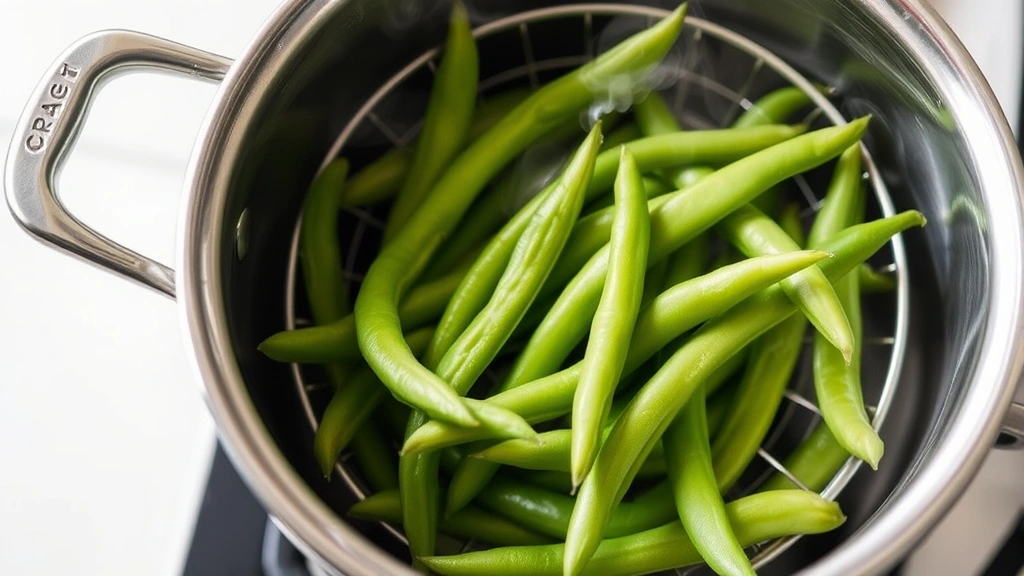
Steaming green beans is one of the simplest cooking methods to master, delivering perfectly tender vegetables in just minutes. Whether you’re preparing a weeknight side dish or impressing guests at dinner, knowing how long to steam green beans ensures consistent, delicious results every time. Most fresh green beans reach ideal tenderness in 4-7 minutes, though timing varies based on thickness and your preferred texture.
Quick Answer: Steam fresh green beans for 4-5 minutes for crisp-tender results, 6-7 minutes for softer beans, and 8-10 minutes for very tender beans. Frozen green beans typically need 5-8 minutes. Start checking at the 4-minute mark by piercing a bean with a fork—it should bend easily but still have slight resistance.
Tools & Materials You’ll Need
- Steamer basket or bamboo steamer
- Large pot with lid
- Colander or strainer
- Cutting board and sharp knife
- Fork for testing doneness
- Measuring cup for water
- Paper towels for drying beans
- Optional: garlic, butter, lemon, or olive oil for finishing
Understanding Green Bean Steaming Basics
Steaming is a gentle cooking method that preserves nutrients, color, and natural flavor better than boiling. When you steam green beans, hot steam circulates around them, cooking evenly without water contact. This technique maintains the vibrant green color and crisp texture that makes steamed vegetables so appealing.
The basic principle is simple: water boils in the pot below while green beans sit in a basket above, surrounded by steam. How long to steam green beans depends on several factors including bean thickness, starting temperature, and your altitude. Thinner beans cook faster than thicker ones, and frozen beans require slightly longer than fresh.
Understanding these fundamentals helps you achieve restaurant-quality results at home. Most home cooks find that 5-6 minutes is the sweet spot for fresh green beans, delivering that ideal tender-crisp texture that pairs well with any main course.
Preparing Your Green Beans for Steaming
Proper preparation ensures even cooking and better texture. Start by rinsing fresh green beans under cool running water, rubbing them gently to remove any dirt. Pat them completely dry with paper towels—excess moisture can extend cooking time and create a soggy texture.
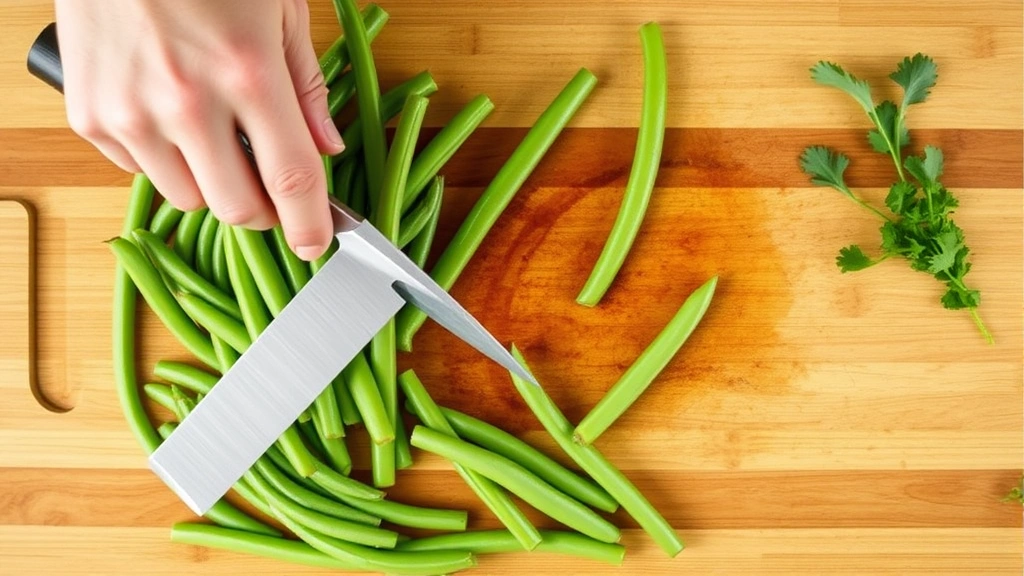
Next, trim the stem ends. Hold each bean and snap off the thin end where it connected to the plant. You can also line up several beans and use a sharp knife to trim them all at once. Some people leave the pointed tip end intact, while others trim both ends; either approach works fine. How long to steam green beans remains consistent regardless of whether you trim one or both ends.
For uniform cooking, try to select beans of similar thickness. If you have a mix of thin and thick beans, either separate them into two batches or add the thicker ones a minute earlier. Cutting very thick beans lengthwise into halves can also help them cook at the same rate as thinner ones.
Setting Up Your Steamer Equipment
You have several equipment options for steaming green beans. A metal steamer basket that fits inside a pot is most common and affordable. Bamboo steamers add an elegant touch and work beautifully. Alternatively, use a microwave steamer bag for quick weeknight cooking, or invest in an electric steamer for hands-off convenience.
Fill your pot with water until it just touches the bottom of the steamer basket—you want steam, not boiling water touching the beans. Bring water to a rolling boil before adding the green beans; this ensures consistent timing. Cover the pot with a tight-fitting lid to trap steam and maintain temperature.
Place the steamer basket on a stable surface before adding beans to prevent spills. If using a bamboo steamer, stack it over boiling water and cover with the bamboo lid. The setup takes just 2-3 minutes, and proper preparation prevents cooking inconsistencies.
Steaming Fresh vs. Frozen Green Beans
Fresh green beans typically steam in 4-7 minutes depending on thickness. This is the standard timeframe most recipes reference. Fresh beans have better texture and flavor, making them ideal for special meals. According to WikiHow, fresh produce generally requires shorter cooking times than frozen varieties.
Frozen green beans need slightly longer—usually 5-8 minutes—because they start at a lower temperature. Don’t thaw frozen beans before steaming; add them directly from the freezer to your steamer basket. The ice crystals actually help them cook more evenly. Frozen beans work wonderfully for weeknight dinners and are just as nutritious as fresh.
The key difference in how long to steam green beans comes down to starting temperature and moisture content. Frozen beans contain more water, which affects cooking time slightly. Both methods produce excellent results when you monitor doneness carefully. Many home cooks find frozen green beans more convenient for busy schedules without sacrificing quality.
Testing for Perfect Doneness
Determining exactly when green beans reach perfect doneness is crucial. The best method is the fork test: carefully remove a single bean from the steamer and pierce it with a fork. The bean should bend easily but still offer slight resistance. If it’s too firm, return it to the steamer for another minute.
Visual cues also matter. Perfectly steamed green beans maintain their bright green color and firm shape. Overcooked beans become dull olive-green and limp. Undercooked beans feel hard and taste slightly raw. As The Spruce notes, visual inspection combined with texture testing provides the most reliable doneness assessment.
Start checking green beans at the 4-minute mark for fresh beans and 5-minute mark for frozen. This prevents overcooking, which is the most common mistake. Remember that beans continue cooking slightly after removal from heat due to residual steam, so you can remove them when they’re just slightly firmer than your target texture.
Flavor Enhancements and Finishing Touches
Plain steamed green beans are delicious, but simple additions elevate them. Toss hot beans with butter, minced garlic, and a squeeze of fresh lemon juice for classic flavor. Alternatively, drizzle with quality olive oil and top with toasted almonds or pine nuts for crunch.
Other excellent finishing options include grated Parmesan cheese, crispy bacon bits, caramelized onions, or a splash of balsamic vinegar. Asian-inspired options feature sesame oil, soy sauce, and ginger. The beauty of steaming is that it creates a neutral canvas that pairs beautifully with virtually any flavor profile.
Add seasonings after steaming rather than before; salt can draw out moisture and affect cooking time. Fresh herbs like dill, parsley, or tarragon add brightness. A pinch of garlic powder or onion powder works when fresh versions aren’t available. Season to taste just before serving for maximum flavor impact.
Common Steaming Mistakes to Avoid
Overcrowding the steamer basket is the top mistake. Beans need space for steam to circulate properly. If you’re cooking for a crowd, work in batches rather than packing everything in at once. Crowded beans cook unevenly with some remaining firm while others become mushy.
Insufficient water causes the pot to dry out before beans finish cooking. Check water level before steaming begins and replenish as needed. Steaming uses water surprisingly quickly, especially if you’re cooking longer batches. Running out of water leaves you with burnt pans and undercooked vegetables.
Lifting the lid repeatedly releases steam and extends cooking time unpredictably. Resist the urge to peek frequently. Instead, set a timer and check only once at the minimum time. Each lid lift adds 30-60 seconds to total cooking time, disrupting your carefully planned schedule.
Forgetting that how long to steam green beans varies with altitude and humidity is another common oversight. At higher elevations, water boils at lower temperatures, requiring slightly longer cooking times. Humid climates may also affect timing marginally. Adjust based on your first attempt and note successful times for future reference.
Storage and Reheating Tips
Steamed green beans keep refrigerated for 3-5 days in an airtight container. Cool them completely before storing to prevent condensation. For longer storage, freeze steamed beans in freezer bags for up to 3 months. Flash-freeze on a baking sheet first to prevent clumping.
Reheat refrigerated beans by steaming for 2-3 minutes or microwaving in a covered dish with a tablespoon of water for 1-2 minutes. Avoid boiling reheated beans as this makes them mushy. Frozen steamed beans can go directly into soups, stir-fries, or casseroles without thawing.
For meal prep, steam a large batch at the beginning of the week. Portion into containers with your choice of seasonings for grab-and-go sides. This approach saves time on busy weeknights while ensuring you always have healthy vegetables available. Many people find that understanding how long to steam green beans enables efficient batch cooking strategies.
FAQ
Can I steam green beans without a steamer basket?
Yes. Use a metal colander placed over a pot of boiling water, a makeshift steamer with aluminum foil balls, or a microwave steamer bag. The steaming principle remains the same regardless of equipment.
Why are my steamed green beans mushy?
You’re likely steaming them too long. Start checking at 4 minutes for fresh beans. Remove them while they still have slight firmness; they’ll soften slightly as they cool.
Should I salt the water before steaming?
Salting the steaming water is optional and doesn’t significantly affect cooking time. Salt the beans after steaming for better control over final seasoning.
How do I know if green beans are fresh enough to steam?
Fresh green beans should be bright green, firm, and snap cleanly when bent. Avoid beans that are limp, yellowed, or have soft spots. According to Consumer Reports, fresh produce quality directly impacts cooking results.
Can I steam green beans with other vegetables?
Yes, but match vegetables by cooking time. Carrots need 8-10 minutes while green beans need 5-6 minutes. Add carrots first, then green beans after 2-3 minutes. Alternatively, steam them separately for precise timing.
What’s the difference between steaming and boiling green beans?
Steaming cooks beans with steam rather than water contact, preserving more nutrients, color, and texture. Boiling submerges beans in water, resulting in softer texture and potential nutrient loss. Steaming is generally preferred for superior results.
How long to steam green beans if I’m at high altitude?
Add 1-2 minutes to standard steaming times at elevations above 3,000 feet. Water boils at lower temperatures at higher altitudes, requiring extended cooking. Test doneness as usual and adjust future batches based on results.
Mastering how long to steam green beans opens doors to consistent, delicious vegetable side dishes. Whether you’re cooking fresh or frozen beans, the techniques outlined here ensure perfect results. Start with 5 minutes for fresh beans, test for doneness, and adjust based on your preferences. With practice, you’ll develop an intuition for ideal steaming times that works with your equipment and taste preferences. Visit Family Handyman for additional kitchen technique guides, or check out Instructables for creative vegetable preparation ideas. Remember that steaming is forgiving—even slight variations in timing produce excellent results when you monitor carefully and avoid common mistakes.



