How to Comment Anonymously: Easy & Essential Guide
Want to share your thoughts without revealing your identity? Learning how to comment anonymously on Facebook group posts and other social platforms gives you privacy and freedom of expression. Whether you’re concerned about workplace politics, family dynamics, or simply prefer keeping a low profile, anonymous commenting is easier than you think. This comprehensive guide walks you through every method available across major platforms.
Quick Answer: To comment anonymously on Facebook groups, you can create a fake account with a pseudonym, use a browser extension that masks your identity, or leverage Facebook’s anonymous posting features if available in your group. On other platforms, consider using VPNs, incognito browsing, or dedicated anonymous commenting tools. Each method has different privacy levels and requirements.
Tools & Materials You’ll Need
- A web browser (Chrome, Firefox, Safari, or Edge)
- Optional: VPN service (ExpressVPN, NordVPN, or ProtonVPN)
- Optional: Anonymous email provider (ProtonMail or Tutanota)
- Optional: Browser extensions for privacy (uBlock Origin, Privacy Badger)
- Access to the platform where you want to comment
- A secondary device or incognito window (for some methods)
Facebook Anonymous Commenting Methods
Facebook doesn’t officially support truly anonymous comments, but several workarounds exist. The platform requires real identity verification for accounts, though enforcement varies. Understanding your options helps you choose the safest approach for your situation. How to comment anonymously on Facebook group discussions depends on your privacy needs and comfort level with each method.
The most straightforward approach involves checking if your Facebook group has enabled anonymous posting features. Some group administrators activate this setting, allowing members to post without revealing their names. This is the safest, most legitimate method since it’s built into Facebook’s system. Look for an “Anonymous Post” button when creating a post in group settings—if it appears, you can use it for comments too in some cases.
Another option is using Facebook’s “Ask for Help” or “Confessions” style groups that inherently encourage anonymous sharing. These communities often have established norms around privacy and may use third-party tools integrated with Facebook to facilitate anonymous discussions. Always review group rules before participating.
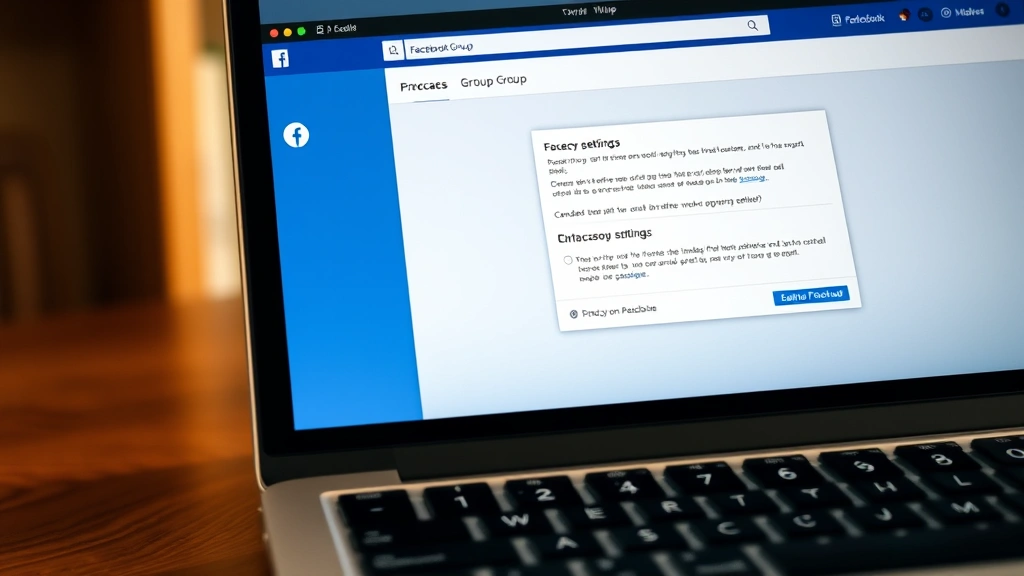
Image Prompt 1: Close-up of a laptop screen showing Facebook group interface with privacy settings menu open, warm lighting, wooden desk background, no text visible on screen
Creating a Fake Account for Anonymity
Creating a secondary Facebook account with a pseudonym is a common method, though it violates Facebook’s terms of service. Facebook explicitly prohibits fake accounts, and the platform uses AI to detect and remove them. However, many people maintain alternate accounts successfully by following specific guidelines. This method provides moderate anonymity but carries risks of account suspension.
To create a fake account safely, start by using a browser in incognito mode to avoid cookies linking to your main account. Use a completely different email address—preferably an anonymous email provider like ProtonMail or Tutanota. When filling out the profile, use a believable but fictional name that doesn’t match your real identity. Avoid using photos of yourself; instead, use generic stock images or no profile picture at all.
Set your fake account’s privacy settings to maximum before joining groups. Make your profile private, limit who can message you, and disable activity status. Avoid connecting with people who know your real identity, as this creates a digital trail. Don’t use the same password as your main account, and consider using a password manager to keep credentials separate. When commenting, vary your writing style and posting times to avoid patterns that might reveal your identity.
Important: This method violates Facebook’s Community Standards. The platform actively removes fake accounts, and repeated violations can result in permanent bans from all accounts. Use this approach only when you have legitimate privacy concerns, and understand the risks involved.
Using VPN and Incognito Browsing
Combining a VPN (Virtual Private Network) with incognito browsing adds significant privacy layers to your commenting. A VPN masks your IP address, making it appear as though you’re browsing from a different location. Incognito mode prevents your browser from storing cookies, cache, and browsing history. Together, these tools create a more private commenting environment.
To implement this method, first download and install a reputable VPN service. According to CNET’s technology reviews, top-rated VPN providers offer strong encryption and no-log policies. Connect to the VPN before opening your browser. Then, open an incognito window and navigate to Facebook. If you’re using an existing account, Facebook may flag this unusual login location, potentially asking for verification. Be prepared with your recovery email or phone number.
This approach doesn’t create anonymity on Facebook itself—your account is still identifiable—but it protects your location and browsing data from your internet service provider and other external observers. It’s useful when you want to comment without revealing your physical location or preventing others from tracking your online activity. The combination is particularly effective when using public WiFi networks.
Image Prompt 2: Flat lay of tech accessories including a laptop, smartphone, and security lock icon glowing, minimalist desk setup, cool blue lighting, no text or labels
How to Comment Anonymously on Other Platforms
Different platforms offer varying levels of anonymous commenting support. Reddit, for example, allows you to create accounts with any username without email verification, making it naturally more anonymous than Facebook. Platforms like Quora, Medium, and various forum sites also support pseudonymous commenting, though they may require email verification.
YouTube comments appear under your Google account name by default, but you can create a separate Google account with a pseudonym for anonymous commenting. According to WikiHow’s comprehensive guides, the process involves creating a new Google account, which takes just a few minutes. Use an anonymous email provider for the recovery email to maintain separation from your primary account.
Twitter allows account creation with any username and minimal verification, making it naturally pseudonymous. Instagram similarly supports multiple accounts, though linking them to the same email can create connections. For maximum anonymity across platforms, use different email addresses, VPNs, and avoid cross-linking accounts. Some specialized platforms like 4chan and 8kun offer completely anonymous posting without accounts, though these come with different community standards and moderation levels.
LinkedIn, being a professional network, doesn’t support anonymous commenting and actively discourages pseudonymous accounts. If you need privacy on LinkedIn, your best option is simply not participating in controversial discussions. TikTok allows pseudonymous accounts but tracks behavior through device identifiers, so true anonymity is limited.
Privacy & Legal Considerations
Before commenting anonymously, understand the legal and ethical implications. In most jurisdictions, anonymous speech is protected, but this protection has limits. Harassment, threats, defamation, and hate speech remain illegal regardless of anonymity. Platforms can be compelled by law enforcement to reveal user information when crimes are involved.
Many countries have specific laws about online harassment and cyberbullying. The United States, UK, Canada, and EU nations all have legislation protecting individuals from malicious anonymous speech. If you’re commenting anonymously to harass, threaten, or defame someone, you could face criminal charges even if you initially believed you were protected by anonymity.
Additionally, platforms’ terms of service often prohibit fake accounts and pseudonymous commenting in certain contexts. Violating these terms can result in account suspension or permanent bans. Consider whether your reason for anonymous commenting justifies these risks. Legitimate uses include protecting yourself from workplace retaliation, family conflict, or sharing sensitive health information. Illegitimate uses include harassment, spreading misinformation, or evading accountability for harmful behavior.
As reviewed by Consumer Reports’ digital privacy experts, anonymity online is increasingly difficult to maintain. Data brokers, tracking pixels, and metadata can reveal identity even when usernames are fake. Don’t assume anonymity is absolute; instead, treat it as one layer of privacy among many.
Best Practices for Anonymous Commenting
If you decide to comment anonymously, follow these best practices to maintain your privacy and stay within legal boundaries. First, never reveal identifying information in your comments—no names, locations, workplace details, or personal stories that could be traced back to you. Keep your writing style consistent but avoid distinctive phrases or perspectives that people who know you might recognize.
Second, separate your anonymous activity from your real identity completely. Use different devices if possible, or at minimum, use different browsers and incognito windows. Clear your browser cache regularly, and avoid logging into your real accounts on the same device where you comment anonymously. This prevents cookies from linking your accounts.
Third, be respectful and constructive even when anonymous. The lack of accountability doesn’t justify rudeness or hostility. Anonymous commenting works best in communities with strong moderation and clear community guidelines. Before joining a group or platform, review its rules and moderation policies. Groups with active moderators tend to maintain higher quality discussions and are less likely to tolerate abuse.
Fourth, use strong, unique passwords for any anonymous accounts. A weak password compromises your anonymity if the account is hacked. Consider using a password manager to generate and store complex passwords. Enable two-factor authentication if the platform offers it, even for anonymous accounts—this protects your account from being taken over and impersonated.
Fifth, avoid leaving a digital footprint through metadata. Disable location services, turn off activity status, and don’t allow the platform to access your contacts or calendar. These features can inadvertently reveal your identity or connect your anonymous account to your real identity.
Common Issues & Troubleshooting
Many users encounter problems when attempting to comment anonymously. One common issue is Facebook detecting suspicious login activity and requesting verification. If this happens, be prepared with your recovery email or phone number. However, providing these details could link your anonymous account to your real identity if the recovery email or phone is associated with your main account. To avoid this, use completely separate recovery contact information.
Another frequent problem is platform detection of fake accounts through behavioral patterns. If you create multiple accounts from the same device using the same WiFi, Facebook’s systems may flag them as connected. Solution: Use a VPN to change your apparent location, clear cookies between account creations, and space out account creation over several days rather than creating them simultaneously.
Some users report that anonymous accounts get limited reach or engagement. This happens because new accounts have low trust scores on platforms’ algorithms. Facebook and other social networks prioritize content from established, verified accounts. If engagement is important to your use case, this method may not be ideal. Instead, consider using the platform’s official anonymous features if available.
Technical issues like being unable to post or comment can occur if the platform detects VPN usage. Some services block VPN users to prevent abuse. Solution: Try using a different VPN server, or switch to a different VPN provider. Some premium VPNs specifically advertise the ability to bypass platform restrictions.
Privacy leaks can happen through third-party integrations. Many platforms allow apps to access your account data. Before granting permissions to any app or service, carefully review what data you’re sharing. For anonymous accounts, deny all non-essential permissions to maintain privacy.
Related to maintaining your privacy online, you might also benefit from learning about how to turn off active status on Instagram, which prevents others from seeing when you’re online. Additionally, understanding how to see who shared your Instagram post helps you monitor your content’s reach and identify who’s engaging with your account.
FAQ
Can Facebook really track anonymous accounts? Yes, Facebook uses sophisticated tools including IP addresses, device identifiers, and behavioral patterns to detect and link accounts. While not foolproof, their detection systems are advanced. Using a VPN and maintaining completely separate behavior helps, but nothing is 100% anonymous.
Is it illegal to comment anonymously? Anonymous commenting itself is legal in most jurisdictions. However, the content of your comments must be legal. Threats, harassment, defamation, and hate speech are illegal regardless of anonymity. The platform can be compelled to reveal your identity if law enforcement investigates illegal activity.
Will my internet provider know I’m commenting anonymously? Your internet provider can see that you’re accessing Facebook or other platforms, but a VPN encrypts this traffic. With a VPN, your ISP only sees that you’re connecting to the VPN server, not which websites you visit through it. However, your ISP still knows you’re using a VPN.
What’s the difference between anonymous and pseudonymous commenting? Anonymous means no one knows who you are. Pseudonymous means you use a fake name, but the platform or authorities could potentially trace it back to you. Most “anonymous” commenting online is actually pseudonymous—truly anonymous commenting is much harder to achieve.
Can I use the same anonymous account across multiple platforms? You can, but it reduces anonymity. If you use the same username everywhere, people can find your account across platforms and potentially identify you through pattern matching. For better anonymity, use different usernames and emails on different platforms.
What’s the safest way to comment anonymously? The safest method combines multiple privacy layers: use a VPN, incognito browsing, a separate anonymous email address, and a completely different username and profile information. Avoid revealing any identifying details in your comments, and don’t link your anonymous account to your real identity in any way.
Do I need to pay for a VPN to comment anonymously? Free VPNs exist, but they often have limitations. According to HowStuffWorks’ technology analysis, free VPNs frequently sell user data to third parties, limiting your actual privacy. Paid VPN services typically offer better security, faster speeds, and stronger no-log policies. Many cost $5-15 monthly.
Can my employer find out I’m commenting anonymously? If you’re using your work network or work device, your employer can likely see that you’re accessing Facebook or other platforms, even with a VPN. For true privacy from your employer, use your personal device and personal internet connection. However, even then, metadata and behavioral patterns could potentially reveal your identity if someone investigates thoroughly.
What should I do if someone discovers my anonymous identity? First, don’t panic. Review what information might have revealed your identity and take steps to prevent further exposure. Consider deleting the anonymous account if it’s compromised. Going forward, be more cautious about revealing personal details. If you’re experiencing harassment as a result, document everything and report it to the platform and potentially law enforcement if threats are involved.
For additional privacy protection across social media platforms, explore how to unrepost on Instagram to control your content distribution, and learn about how to unarchive a story on Instagram to manage your visible history. These skills complement anonymous commenting by giving you greater control over your digital footprint.
Are there platforms specifically designed for anonymous commenting? Yes, platforms like 4chan, 8kun, and some specialized forum sites allow completely anonymous posting without accounts. However, these platforms have different community standards and moderation levels. Reddit allows pseudonymous commenting, which is more private than Facebook but not truly anonymous. Whisper and similar confession apps focus on anonymous sharing but have their own privacy considerations.
To deepen your understanding of social media privacy, also check out how to change background color on Instagram story, which helps you customize your visible presence and control what information you share.
Conclusion: Learning how to comment anonymously on Facebook group discussions involves understanding multiple methods, each with different privacy levels and risks. From creating separate accounts to using VPNs and incognito browsing, you have options depending on your privacy needs. Always prioritize legitimate uses of anonymity—protecting yourself from retaliation, sharing sensitive information, or maintaining privacy in professional contexts. Remember that true anonymity online is difficult to achieve and maintain. Use these methods responsibly, follow platform guidelines where possible, and ensure your anonymous comments comply with laws and ethical standards. Whether you’re looking for privacy or simply exploring how to protect your digital identity, the methods outlined here provide practical solutions for most situations.