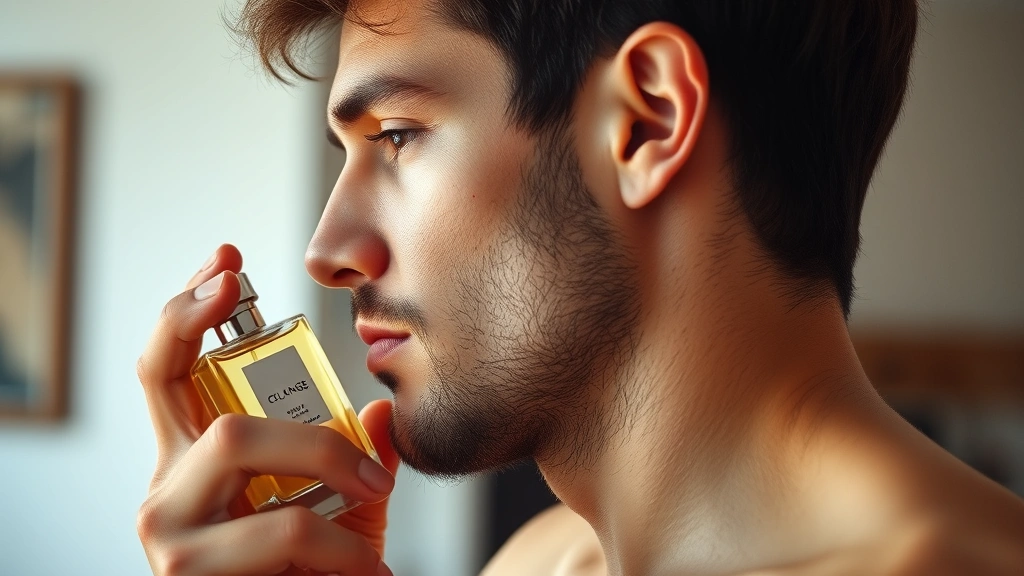
How to Apply Cologne: The Perfect Guide for Easy Results
Applying cologne correctly transforms your fragrance from a pleasant scent into a signature experience. Many people don’t realize that how to apply cologne matters just as much as which fragrance you choose. The difference between smelling fresh all day and having your scent fade within hours often comes down to application technique, placement, and timing. This comprehensive guide will teach you professional methods that ensure your cologne lasts longer, smells better, and makes the right impression every single time.
Quick Answer: The best way to apply cologne is to spray it on pulse points—wrists, neck, inner elbows, and behind ears—from 3-6 inches away on clean, moisturized skin. Apply 3-4 sprays total, never rub your wrists together, and reapply every 4-6 hours as needed. Avoid spraying directly on clothes, and always test your fragrance before committing to a full application.
Tools & Materials You’ll Need
- Your chosen cologne (eau de toilette or eau de parfum)
- Clean skin (freshly showered preferred)
- Unscented moisturizer or fragrance-free lotion
- Pulse point identification guide
- Mirror for application accuracy
- Blotting tissue (optional, for adjusting application)
- Fragrance-free deodorant or antiperspirant
- Clean, unscented clothing
Understanding Cologne Types and Concentrations
Before you learn how to apply cologne, you need to understand what you’re applying. Fragrances come in different concentrations, each with distinct characteristics. Eau de cologne contains 2-5% fragrance concentration and is the lightest option, perfect for everyday casual wear. Eau de toilette (3-8% concentration) is the most popular choice and offers a balanced scent profile with moderate longevity.
Eau de parfum (15-20% concentration) is significantly more potent and lasts considerably longer, making it ideal for evening wear or important occasions. According to WikiHow’s fragrance guides, understanding your fragrance type helps you adjust your application method accordingly. Higher concentrations require fewer sprays, while lighter formulations may need more generous application.
The type of cologne you choose directly impacts how to apply cologne effectively. A high-concentration eau de parfum might only need 2-3 sprays, while an eau de toilette could require 4-5 applications for the same lasting effect. Always check your bottle’s label to identify which type you’re using before application.
Preparing Your Skin for Application
Your skin’s condition significantly affects how well cologne adheres and performs throughout the day. Clean skin is essential—shower or wash with unscented soap before applying your fragrance. Cologne performs best on freshly cleaned skin because dirt, oil buildup, and residual scents from other products interfere with the fragrance’s development and longevity.
After showering, apply an unscented moisturizer to damp skin while your pores are still open. This step is crucial because hydrated skin holds fragrance molecules longer than dry skin. According to The Spruce’s beauty recommendations, moisturized skin can extend your cologne’s longevity by several hours. Apply your moisturizer 5-10 minutes before applying cologne to give it time to absorb fully.
Avoid using scented deodorants, body sprays, or aftershaves immediately before cologne application. These products can clash with your fragrance and create an unpleasant combined scent. If you need deodorant protection, choose an unscented or fragrance-free option. This preparation step is often overlooked but makes a dramatic difference in how long your cologne lasts and how pleasant it smells.

Identifying Your Pulse Points
Pulse points are areas where your body naturally generates heat, and understanding where they’re located is fundamental to learning how to apply cologne correctly. These warm areas help fragrance molecules diffuse and project throughout the day. The primary pulse points include your wrists, neck, inner elbows, behind your ears, and the inside of your knees.
Your wrists are the most popular application area because they’re easy to access and generate significant heat. When you apply cologne to your wrists, the constant movement and warmth help the fragrance develop and project naturally. Your neck is another excellent choice, particularly the area just below your jaw and along the sides of your neck. This location ensures people notice your fragrance during conversations.
The inside of your elbows and behind your ears are secondary pulse points that work particularly well for layering additional fragrance. The area behind your ears is especially effective because it’s close to your face and creates an intimate scent bubble. Some people also apply cologne to the inside of their knees and chest, though these are less common choices. The key principle is that pulse points generate heat, which activates and amplifies your fragrance’s performance throughout the day.
The Correct Spraying Technique
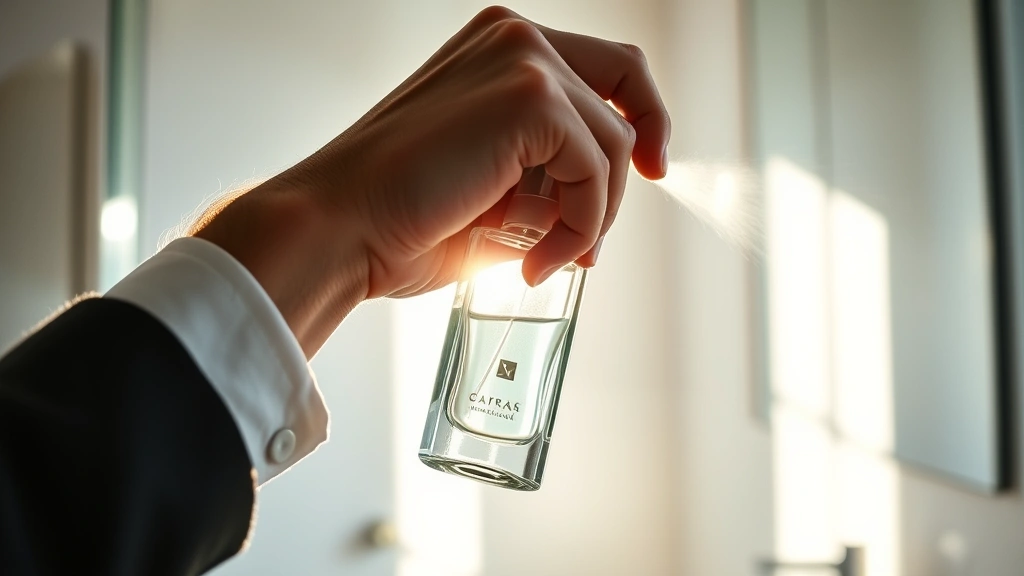
Proper spraying technique is absolutely critical when learning how to apply cologne. Hold your cologne bottle 3-6 inches away from your skin—this distance ensures even distribution without oversaturation. Too close, and you’ll apply too much fragrance; too far, and the spray disperses before reaching your skin. A distance of about the length of your hand is ideal.
Spray directly onto your skin, never onto your clothing. Many people make the mistake of spraying cologne on their clothes, but fabric absorbs fragrance differently than skin and can actually trap the scent rather than allowing it to project. When you apply cologne to bare skin, the fragrance interacts with your body chemistry and develops its full character throughout the day.
For most people, 3-4 sprays total is the appropriate amount. A typical application might be one spray on each wrist, one on your neck, and one behind an ear. If you’re using a higher-concentration fragrance like eau de parfum, start with 2-3 sprays. If you’re using a lighter eau de toilette, you might need 4-5 sprays. Never apply more than 5 sprays unless you’re attending an evening event where stronger projection is appropriate.
After spraying, do not rub your wrists together. This common mistake actually breaks down fragrance molecules and reduces longevity. Instead, let the cologne air dry naturally. If you applied cologne to your neck or behind your ears, simply leave those areas alone. The warmth from your body will activate the fragrance without any additional action needed.
Timing and Frequency Guidelines
Understanding when and how often to reapply is essential to maintaining your fragrance throughout the day. Most colognes last between 4-6 hours on average, though this varies based on concentration, your skin type, and environmental factors. As a general rule, reapply your cologne every 4-6 hours or when you notice the scent fading.
The best time to apply cologne is right after showering when your skin is clean and your pores are open. Your fragrance will develop more fully and last longer when applied to freshly cleaned skin. If you shower in the morning, apply your cologne immediately after drying off, before getting dressed. This ensures maximum longevity throughout your day.
For evening events or dates, apply fresh cologne about 15-30 minutes before you leave home. This gives the fragrance time to settle and develop properly before you interact with others. If you’re attending a long event, consider keeping a small travel-size bottle with you for midday reapplication. According to Family Handyman’s practical guides, having a backup application method ensures your fragrance remains fresh and noticeable.
Common Mistakes to Avoid
Many people unknowingly sabotage their fragrance experience by making preventable mistakes. Applying too much cologne is the most common error—excessive fragrance becomes overwhelming and can actually repel people rather than attract them. More is never better with cologne; restraint and precision always produce superior results. If you’re unsure about quantity, start with fewer sprays and add more if needed.
Rubbing your wrists together after application breaks down fragrance molecules and significantly reduces longevity. This habit, while common, actually decreases how long your cologne lasts. Simply let the fragrance air dry naturally for best results. Similarly, spraying cologne on your clothes instead of your skin prevents the fragrance from developing properly and can stain delicate fabrics.
Applying cologne to dry skin is another mistake that reduces longevity. Hydrated skin holds fragrance molecules much longer than dry skin, so always moisturize before application. Mixing conflicting scents is also problematic—avoid using scented deodorants, body sprays, or aftershaves with different fragrance profiles than your cologne. These combinations create unpleasant, muddled scents that distract rather than impress.
Finally, avoid applying cologne immediately before bed if you plan to sleep. Fragrance can transfer to your pillow and bedding, and you’ll lose the scent’s benefits while sleeping. Save your cologne application for times when you’ll be active and interacting with others during the day.
Layering and Extending Fragrance Longevity
Professional fragrance enthusiasts use layering techniques to extend longevity and enhance scent projection. Fragrance layering involves using complementary scented products in combination with your cologne for a more complex, longer-lasting effect. Start with an unscented moisturizer as your base, then apply matching scented body lotion if available, followed by your cologne.
Many cologne brands offer matching body washes and lotions specifically designed to layer with their fragrances. Using these coordinated products creates a more cohesive scent experience and significantly extends longevity. The body lotion provides a subtle base layer, while your cologne adds the primary fragrance on top. This layering approach can extend your fragrance’s lifespan from 4-6 hours to 8-10 hours or longer.
Another effective technique is strategic reapplication. Instead of applying cologne only once in the morning, apply a small amount to your pulse points midday. This refreshes the scent and extends its presence throughout your afternoon and evening. Many people keep a small travel-size bottle at work or in their car for convenient midday touch-ups.
You can also enhance fragrance longevity by applying cologne to your hair. A light mist on your hair (not soaking it) creates a subtle scent that lasts because hair holds fragrance longer than skin. Be cautious with this technique, as alcohol-based colognes can dry out hair if overused. Use this method sparingly as an enhancement rather than a primary application method.
Storage Tips for Maximum Shelf Life
Proper storage ensures your cologne maintains its quality and performance over time. Store cologne in a cool, dark place away from direct sunlight and heat. Exposure to light and temperature fluctuations breaks down fragrance molecules and diminishes scent quality. A bedroom closet, bathroom cabinet, or drawer is ideal—avoid windowsills or areas near heating vents.
Keep your cologne bottle tightly sealed when not in use to prevent evaporation and oxidation. The longer a bottle remains open, the more fragrance molecules escape, and the scent becomes weaker. If your cologne’s spray mechanism becomes damaged, transfer the fragrance to an airtight container to preserve its quality.
Temperature stability is crucial for fragrance preservation. Avoid storing cologne in bathrooms where steam and temperature fluctuations are common. Instead, choose a location with consistent, cool temperatures. Properly stored cologne maintains its quality for 3-5 years, though higher-concentration fragrances like eau de parfum last longer than lighter eau de toilette formulations.
According to Consumer Reports’ product care guidelines, keeping fragrance in original packaging provides additional protection from light exposure. If you’ve transferred your cologne to a different container, ensure it’s dark glass or opaque to minimize light exposure. These storage practices ensure your investment in quality cologne continues delivering excellent results throughout its lifespan.
FAQ
How many sprays of cologne should I use?
Most people should use 3-4 sprays total, distributed across pulse points. Start with 3 sprays and adjust based on the fragrance concentration and your personal preference. Higher-concentration fragrances like eau de parfum require fewer sprays, while lighter eau de toilette may need 4-5 applications.
Should I apply cologne to my skin or clothes?
Always apply cologne directly to your skin, never on clothes. Fragrance interacts with your body chemistry and develops properly on skin, while clothes absorb the scent differently and can become stained. Applying to skin ensures better scent projection and longevity throughout the day.
Why does my cologne fade so quickly?
Quick fading typically results from applying to dry skin, using too light a fragrance concentration, or not applying enough product. Ensure your skin is moisturized before application, consider upgrading to eau de parfum if you’re using eau de toilette, and apply to all major pulse points for better longevity.
Can I apply cologne every day?
Yes, applying cologne daily is perfectly safe and normal. Most people apply fragrance daily as part of their grooming routine. However, vary your application amount based on the occasion—use lighter application for work environments and more generous application for evening events or weekends.
What’s the difference between cologne, eau de toilette, and eau de parfum?
The main difference is fragrance concentration. Cologne contains 2-5% fragrance and is the lightest option. Eau de toilette contains 3-8% and is the most popular choice. Eau de parfum contains 15-20% and lasts significantly longer. Higher concentrations cost more but require fewer applications.
Should I refrigerate my cologne?
Refrigeration isn’t necessary and can actually be problematic because temperature fluctuations harm fragrance quality. Instead, store cologne in a cool, dark place with consistent temperature like a bedroom closet or cabinet. Avoid bathrooms where steam and temperature changes are common.
Can I layer different colognes?
Mixing different colognes typically creates an unpleasant, muddled scent. Stick with one primary fragrance and layer complementary scented products from the same brand if available. If you want to try different fragrances, apply them on different days rather than combining them.
How do I know if I’m applying too much cologne?
If people comment on your fragrance within the first few minutes of meeting you, or if you can smell it strongly from arm’s length away, you’re likely applying too much. The goal is a subtle scent that becomes noticeable during close conversation, not an overwhelming cloud that announces your presence.
Is it better to apply cologne wet or dry skin?
Always apply cologne to clean, lightly moisturized skin rather than completely dry skin. Hydrated skin holds fragrance molecules longer, extending longevity significantly. Apply unscented moisturizer 5-10 minutes before cologne and let it absorb fully for best results.
Can I apply cologne to the same spots every day?
Yes, applying cologne to the same pulse points daily is completely normal and recommended. Your wrists, neck, behind ears, and inner elbows are ideal locations because they generate heat that activates fragrance. Consistent application to these areas ensures reliable, predictable results every time you apply how to apply cologne correctly.
Learning how to apply cologne properly elevates your entire fragrance experience. By following these professional techniques—preparing your skin, identifying pulse points, using correct spraying methods, and timing applications strategically—you’ll ensure your cologne lasts longer, smells better, and makes the right impression. Like any skill, proper cologne application becomes second nature with practice, transforming a simple grooming step into a refined personal ritual that enhances your daily confidence and presence.