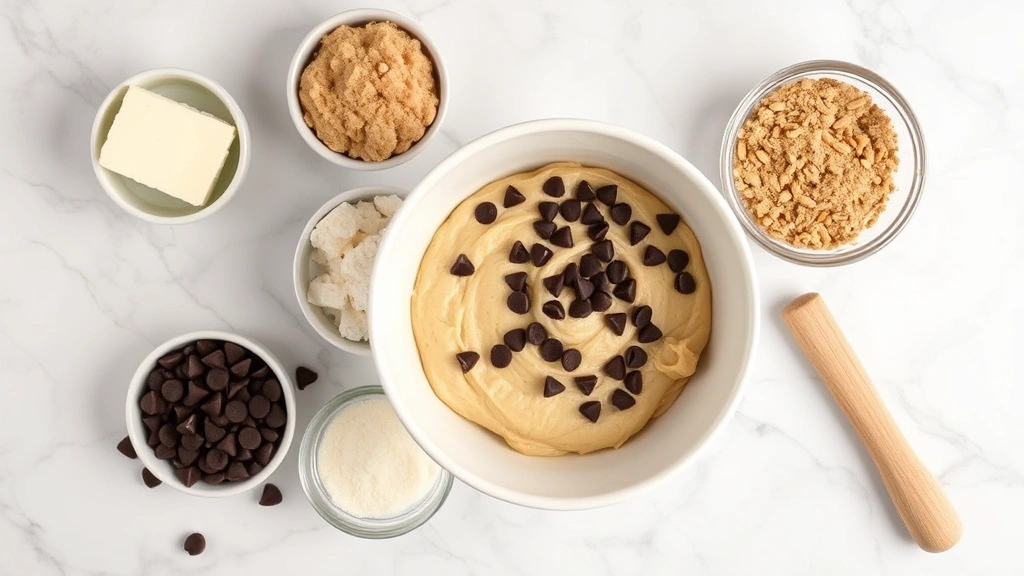
How to Make Edible Cookie Dough: Easy & Fun Recipe
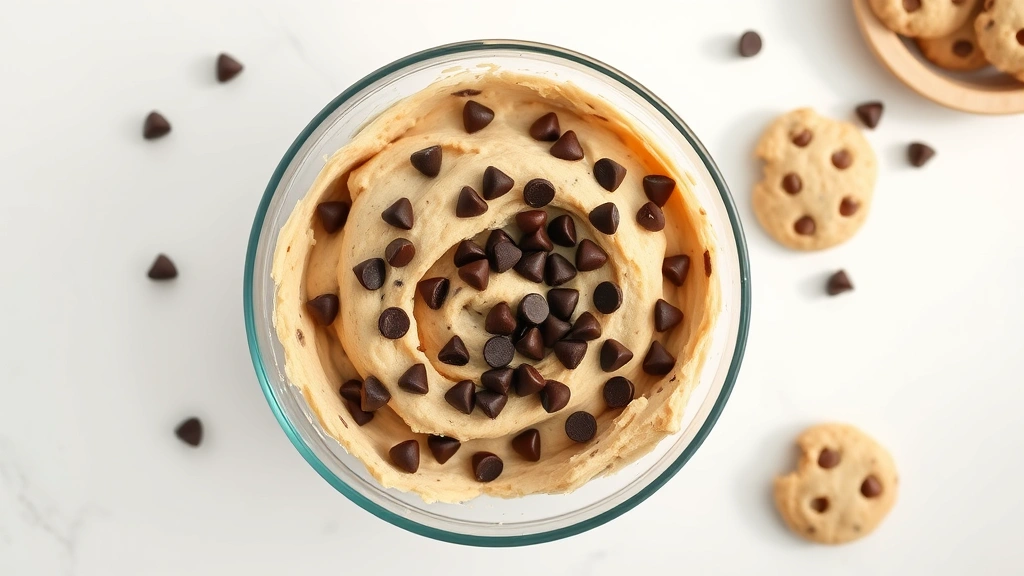
Craving raw cookie dough without the food safety risks? Learning how to make edible cookie dough is easier than you think, and it transforms a guilty pleasure into a safe treat everyone can enjoy. This simple recipe eliminates harmful bacteria while keeping that irresistible, indulgent taste intact. In just 10 minutes, you’ll have a delicious dough ready to eat straight from the bowl—no baking required.
Quick Answer: How to make edible cookie dough involves using heat-treated flour and pasteurized eggs (or egg-free alternatives) instead of raw ingredients. Mix softened butter, brown sugar, vanilla extract, heat-treated flour, and chocolate chips in a bowl. Stir until combined and enjoy immediately. This method eliminates salmonella and E. coli risks while delivering authentic cookie dough flavor.
Tools & Materials You’ll Need
- Mixing bowl (medium size)
- Electric mixer or whisk
- Measuring cups and spoons
- Rubber spatula
- Baking sheet (for flour heat-treatment)
- Oven thermometer (optional but helpful)
- Spoon or cookie scoop
- Airtight container (for storage)
Why Edible Cookie Dough Matters: Food Safety First
Raw cookie dough traditionally contains two major food safety concerns: raw eggs (which may harbor salmonella) and untreated flour (which can carry E. coli). The CDC estimates that approximately 1 in 20,000 eggs may be internally contaminated with salmonella, making raw dough consumption risky, especially for young children, pregnant women, and immunocompromised individuals. How to make edible cookie dough safely addresses these risks head-on by using pasteurized or egg-free alternatives and heat-treated flour.
According to WikiHow’s food safety guidelines, heating flour to 160°F (71°C) eliminates harmful pathogens while maintaining its baking properties. This simple step transforms ordinary flour into a safe ingredient perfect for edible dough. The beauty of how to make edible cookie dough is that it doesn’t sacrifice taste—it simply removes the risk.
Essential Ingredients for Safe Edible Cookie Dough
Creating the perfect batch of edible cookie dough starts with quality ingredients. Here’s what you’ll need for a single batch serving 4-6 people:
- Heat-treated flour: 1 cup (all-purpose flour, heated to 160°F)
- Butter: ½ cup (softened, unsalted or salted based on preference)
- Brown sugar: ⅓ cup (packed)
- Granulated sugar: 2 tablespoons
- Pasteurized egg: 1 large (or 2 tablespoons aquafaba for egg-free option)
- Vanilla extract: 1 teaspoon
- Salt: ¼ teaspoon
- Chocolate chips: ¾ cup (semi-sweet or dark, your choice)
The key to how to make edible cookie dough that tastes authentic lies in using real butter and quality chocolate. Avoid margarine or butter substitutes, which produce a waxy texture. Pasteurized eggs are available at most grocery stores and cost only slightly more than regular eggs—a worthwhile investment for food safety.
Step-by-Step Instructions to Make Edible Cookie Dough

Step 1: Prepare Your Ingredients
Gather all ingredients and allow butter to soften at room temperature for 20-30 minutes. Soft butter creams more easily and incorporates air, creating a fluffier texture. If you’re in a hurry, cut butter into small cubes—it softens faster. Ensure your eggs are pasteurized by checking the carton label.
Step 2: Heat-Treat Your Flour
This is the most critical step in learning how to make edible cookie dough. Spread flour in a thin layer on a baking sheet and bake at 160°F for 5 minutes. Use an oven thermometer to verify temperature accuracy. Let the flour cool completely before using—warm flour can partially cook the egg and affect texture.
Step 3: Cream Butter and Sugars
In a medium mixing bowl, combine softened butter, brown sugar, and granulated sugar. Using an electric mixer on medium speed, beat for 2-3 minutes until the mixture is light, fluffy, and pale in color. This process incorporates air and creates the ideal cookie dough texture. If mixing by hand, expect 4-5 minutes of vigorous whisking.
Step 4: Add Egg and Vanilla
Add your pasteurized egg and vanilla extract to the butter mixture. Beat on medium speed for 1-2 minutes until fully incorporated. The mixture should look smooth and creamy. Scrape down the bowl sides with a spatula to ensure even mixing.
Step 5: Combine Dry Ingredients
In a separate small bowl, whisk together heat-treated flour and salt. Gradually add this mixture to the wet ingredients, stirring on low speed until just combined. Overmixing develops gluten and creates a tough texture—stop as soon as you don’t see dry flour streaks.
Step 6: Fold in Chocolate Chips
Using a rubber spatula, gently fold chocolate chips into the dough until evenly distributed. Your edible cookie dough is now ready to eat! Serve immediately in bowls or small cups for the best experience.
Heat-Treating Flour: The Critical Safety Step
Understanding how to make edible cookie dough safely requires mastering flour heat-treatment. The FDA recommends heating flour to 160°F (71°C) for at least one minute to eliminate E. coli and other pathogens. This temperature is hot enough to kill bacteria but cool enough to preserve flour’s functionality in recipes.
Oven Method (Most Reliable): Preheat your oven to 160°F. Spread flour in a thin, even layer on a baking sheet. Bake for 5 minutes. Use an oven thermometer to verify the temperature—many home ovens are inaccurate. Cool completely before using. As reviewed by Consumer Reports, oven-heating is the most consistent method for home cooks.
Microwave Method (Quick Alternative): Place flour in a microwave-safe bowl and heat in 30-second intervals, stirring between each interval, until it reaches 160°F when tested with a food thermometer. This method requires careful monitoring to avoid hot spots.
What NOT to Do: Avoid skipping this step or using regular untreated flour. Don’t assume that toasting flour for baking purposes is sufficient—baking recipes typically use lower temperatures that don’t eliminate pathogens. Always verify temperature with a reliable food thermometer.
Flavor Variations and Customizations
Once you’ve mastered basic how to make edible cookie dough, experiment with these delicious variations to keep things exciting.
- Brown Butter Version: Brown your butter before creaming with sugars for a nutty, sophisticated flavor. Cool completely before mixing.
- Salted Caramel: Replace regular chocolate chips with caramel chips and sprinkle fleur de sel on top before serving.
- Mint Chocolate Chip: Add ½ teaspoon peppermint extract and use mint chocolate chips instead of regular chocolate.
- Cookie Dough Bites: Scoop dough with a cookie scoop, roll into balls, and freeze on a baking sheet. Eat frozen for a different texture.
- Peanut Butter Cup: Add ¼ cup peanut butter to the creamed mixture and use peanut butter cup pieces instead of chocolate chips.
- Eggless Version: Replace the pasteurized egg with 2 tablespoons aquafaba (liquid from canned chickpeas) for a vegan-friendly option.
These variations prove that how to make edible cookie dough extends far beyond a single recipe. The basic formula remains the same; only the mix-ins change. This flexibility makes edible dough perfect for parties, meal prep, or personal indulgence.
For additional inspiration on creative food preparation, check out Instructables’ food and cooking section, which features countless innovative recipes and techniques.
Storage Tips and Shelf Life
Proper storage extends the enjoyment of your edible cookie dough. How to make edible cookie dough that lasts requires understanding its shelf life and storage requirements.
Refrigerator Storage: Place edible cookie dough in an airtight container and refrigerate for up to 5 days. The dough will firm up slightly when cold but remains perfectly edible. Allow it to sit at room temperature for 10 minutes before serving if you prefer a softer texture.
Freezer Storage: Freeze edible dough in airtight containers for up to 3 months. Scoop into individual portions before freezing for convenient single servings. Thaw in the refrigerator overnight before eating, or enjoy frozen dough as a sorbet-like treat on hot days.
Shelf Life Factors: Since this recipe uses pasteurized eggs, it’s safer than traditional raw dough but still contains dairy and sugar. Keep it refrigerated and consume within the recommended timeframe. If you notice any off-smells or unusual appearance, discard immediately.
For comprehensive food storage guidance, Good Housekeeping offers detailed preservation techniques applicable to various homemade treats.
Common Mistakes to Avoid
Learning how to make edible cookie dough involves understanding what can go wrong. Here are the most common pitfalls and how to prevent them.
Mistake 1: Using Untreated Flour
This is the biggest food safety error. Always heat-treat your flour to 160°F. Don’t skip this step or assume store-bought “safe” flour exists. Verify with a food thermometer every time.
Mistake 2: Using Raw Eggs
Regular eggs carry salmonella risk. Purchase pasteurized eggs specifically—they’re labeled clearly and cost only slightly more. Alternatively, use aquafaba for an egg-free option.
Mistake 3: Overmixing the Dough
Excessive mixing develops gluten, resulting in tough, dense dough instead of the light, creamy texture you want. Mix just until ingredients combine—a few flour streaks are fine.
Mistake 4: Using Cold Butter
Cold butter doesn’t cream properly, leading to a grainy texture. Soften butter at room temperature for 20-30 minutes before mixing. This single step dramatically improves results.
Mistake 5: Forgetting to Cool Treated Flour
Hot flour can partially cook the egg when mixed in, creating an unpleasant texture. Always cool your heat-treated flour completely before adding it to the wet ingredients.
Mistake 6: Skipping the Vanilla Extract
This ingredient provides authentic cookie flavor. Don’t omit it—the difference is noticeable. Use real vanilla extract, not imitation, for superior taste.
FAQ
Q: Can I use regular eggs instead of pasteurized eggs for edible cookie dough?
A: No, regular eggs carry salmonella risk. Always use pasteurized eggs, which are heat-treated during processing to eliminate pathogens. They’re available at most grocery stores and taste identical to regular eggs.
Q: How do I know if my oven reaches 160°F accurately?
A: Use an oven thermometer—a $10-15 investment that ensures food safety. Place it on the middle rack and verify temperature before adding flour. Many home ovens run 25-50°F hotter or cooler than displayed.
Q: Is edible cookie dough safe for pregnant women?
A: Yes, when made with pasteurized eggs and heat-treated flour, edible cookie dough is safe for pregnant women. These two modifications eliminate the primary food safety concerns. Always verify ingredients are pasteurized before consuming during pregnancy.
Q: Can I make edible cookie dough without eggs?
A: Absolutely. Replace the pasteurized egg with 2 tablespoons aquafaba (the liquid from canned chickpeas). The texture will be slightly different but equally delicious. This makes the recipe vegan-friendly.
Q: How long does edible cookie dough last in the freezer?
A: Properly stored in an airtight container, edible dough lasts up to 3 months in the freezer. Thaw in the refrigerator overnight before eating. Frozen dough also makes an excellent sorbet-like treat on hot days.
Q: Why is my edible cookie dough grainy instead of smooth?
A: Graininess usually results from using cold butter. Ensure butter is softened at room temperature for 20-30 minutes before mixing. If you’ve already mixed, try warming the bowl slightly and re-mixing on low speed.
Q: Can I double the recipe?
A: Yes, simply double all ingredient quantities. The mixing process remains the same. However, don’t overmix—stop as soon as ingredients combine. Doubling the batch doesn’t require additional baking time since this recipe involves no baking.
Q: What’s the difference between edible cookie dough and regular cookie dough?
A: Edible cookie dough uses pasteurized eggs and heat-treated flour, eliminating food safety risks present in traditional raw dough. The taste and texture are nearly identical, but edible dough is safe for everyone to consume raw.
Learning how to make edible cookie dough opens up a world of safe, delicious indulgence. By following these guidelines and understanding the importance of pasteurized eggs and heat-treated flour, you can enjoy authentic cookie dough flavor without food safety concerns. Whether you’re preparing a dessert for a party, treating yourself to a quick snack, or exploring creative flavor variations, this simple recipe delivers consistent, delightful results every time. Start with the basic version, master the technique, and then experiment with variations that suit your taste preferences. Your family and friends will appreciate having a safe, homemade treat that tastes restaurant-quality.
For additional creative food ideas and techniques, explore Lifehacker’s food and cooking guides, which feature innovative approaches to everyday recipes and kitchen challenges.