
How Much to Tint Car Windows: Perfect Easy Guide
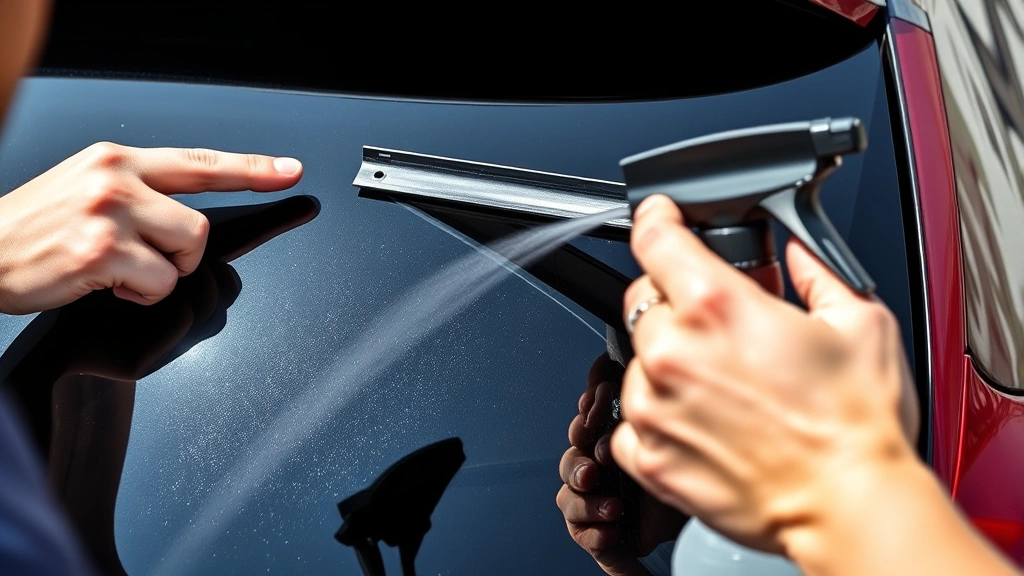
Car window tinting is one of the most popular automotive upgrades, offering privacy, UV protection, and a sleek appearance. But how much to tint car windows depends on several factors including your vehicle type, tint darkness level, and whether you choose professional installation or a DIY approach. Understanding the costs upfront helps you make an informed decision and avoid surprises at the shop.
Quick Answer: Professional car window tinting typically costs between $100–$600 for a full vehicle, with most sedans averaging $250–$400. The price varies based on the number of windows, tint quality (dyed, carbon, or ceramic), your location, and the installer’s expertise. DIY tinting kits cost $20–$50 but require patience and skill to avoid bubbles and peeling.
Tools & Materials You’ll Need
- Window tint film (professional-grade or DIY kit)
- Spray bottle with soapy water solution
- Squeegee or application tool
- Craft knife or razor blade
- Heat gun or hair dryer
- Microfiber cloth or lint-free towel
- Masking tape
- Protective gloves
- Automotive glass cleaner
- Measuring tape
Cost Breakdown by Tint Type
When determining how much to tint car windows, the type of film you choose significantly impacts the final price. Professional installers typically offer three main categories: dyed, carbon, and ceramic tints. Each has distinct advantages and price points that reflect their performance and longevity.
Dyed Window Tint is the most affordable option, costing $100–$200 for a full vehicle. This entry-level tint uses a dye layer to reduce light and heat, making it ideal for budget-conscious car owners. However, dyed tint tends to fade over time and offers minimal heat rejection compared to premium alternatives. It’s best suited for those prioritizing aesthetics over maximum heat protection.
Carbon Window Tint ranges from $200–$400 for professional installation on a standard sedan. Carbon tint uses carbon particles to block infrared rays, providing superior heat rejection and UV protection without the fading issues of dyed film. This mid-range option is popular among drivers seeking a balance between cost and performance, with excellent durability lasting 5–10 years.
Ceramic Window Tint is the premium choice, typically costing $300–$600 or more for a full vehicle. Ceramic tint contains ceramic particles that offer the best heat rejection, UV blocking, and clarity. It won’t interfere with GPS or cell signals and maintains its appearance for 10+ years. For those asking how much to tint car windows with maximum performance, ceramic is the investment-grade solution.
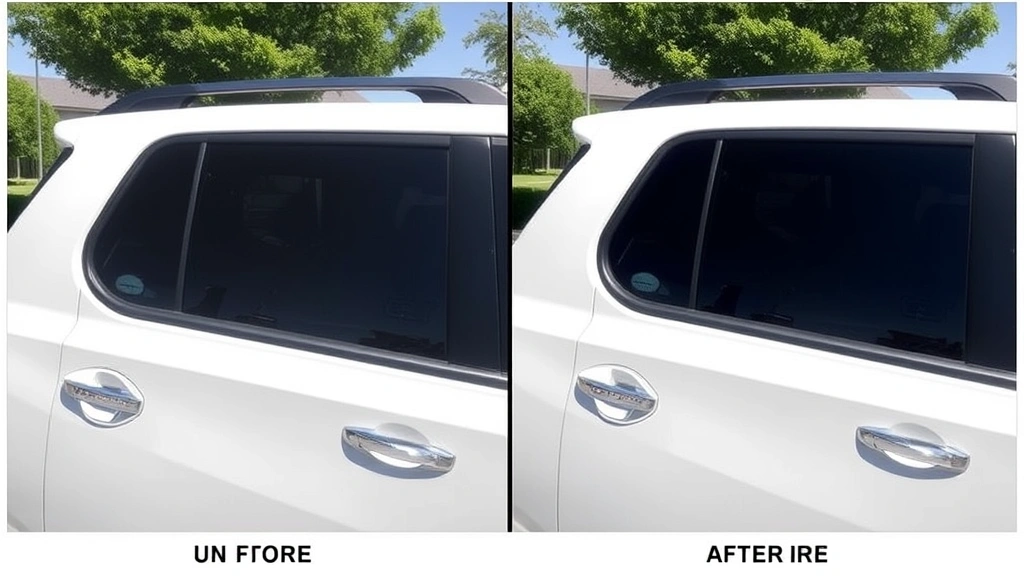
Professional Installation vs. DIY
Understanding the difference between professional and DIY approaches is crucial when calculating how much to tint car windows. Professional installers bring expertise, proper equipment, and warranty coverage, while DIY kits offer significant cost savings but require skill and patience.
Professional Installation Benefits: Certified installers have years of experience applying tint without bubbles, creases, or misalignment. They use commercial-grade equipment like heat guns and precision squeegees to ensure flawless results. Most shops guarantee their work for 3–5 years, covering peeling, fading, or defects. The labor cost typically comprises 40–60% of the total price, but the quality justifies the expense for most vehicle owners.
DIY Tinting Costs: A basic DIY window tint kit costs $20–$50 from retailers like Amazon or auto parts stores. You’ll save significantly on labor, but success depends on your attention to detail. Common mistakes include air bubbles, improper trimming, and uneven application. If your first attempt fails, you may need to purchase additional film or eventually hire a professional to remove and redo the job, negating initial savings.
For most people, how much to tint car windows professionally is worth the investment. The time savings alone—professional installation takes 2–4 hours versus 6–10 hours for DIY—often justifies the cost. Additionally, professionals have access to premium film brands and can handle complex window shapes on SUVs and trucks more effectively.
Factors Affecting How Much to Tint Car Windows
Several variables influence the final cost when you’re determining how much to tint car windows. Understanding these factors helps you budget accurately and compare quotes from different installers.
Vehicle Type and Window Count: Compact cars with fewer windows cost less to tint than SUVs or trucks with larger surface areas. A typical sedan has 6–8 windows, while a large SUV might have 10–12. Each additional window increases material costs and labor time. Rear windshields, especially curved ones, require more skill and premium film, adding $50–$150 to the total bill.
Tint Darkness Level: Most states allow tint percentages ranging from 20% to 70% (where 100% is clear). Darker tints (20–35%) cost slightly more because they require premium film to maintain clarity and heat rejection. Standard 50% tint is the most common and typically the least expensive option. Lighter tints (70%) use thinner film and cost less but provide minimal privacy and heat reduction.
Film Brand and Quality: Premium brands like 3M, Llumar, and XPEL command higher prices than generic alternatives. A 3M Crystalline ceramic tint might cost 30–50% more than a budget brand, but the superior performance and warranty justify the premium. When asking how much to tint car windows, don’t automatically choose the cheapest option—quality film lasts longer and performs better.
Installer Experience and Location: High-end shops in major metropolitan areas charge 20–40% more than rural installers. Certified technicians with stellar reviews may charge premium rates but deliver superior results. Chain shops like Tint World or local independent shops offer competitive pricing, so it’s wise to get multiple quotes.
Regional Pricing Variations
Geographic location significantly impacts how much to tint car windows across the United States. Coastal cities and affluent suburbs typically charge more than rural areas due to higher overhead costs and demand for premium services.
In major cities like Los Angeles, New York, and Miami, expect to pay $400–$600 for professional tinting on a sedan. These areas have competitive markets but also higher labor costs and rent for shop locations. Mid-sized cities typically charge $250–$400, while rural areas may offer tinting for $150–$300. Climate also influences pricing—regions with intense sun exposure (Arizona, Florida, California) have higher demand for tinting, sometimes driving prices up slightly.
To get accurate pricing for your area, contact 3–5 local shops and request written quotes. Many installers offer online quote systems where you input your vehicle details and receive estimates. According to Consumer Reports, comparing quotes from multiple providers typically saves $50–$150 on window tinting projects.
Quality Considerations and Warranty
When evaluating how much to tint car windows, warranty coverage should factor into your decision. Professional installations typically include warranties ranging from 3 months to lifetime, depending on the shop and film quality.
Standard Warranties: Most shops offer 3–5 year warranties covering peeling, fading, discoloration, and bubbling. Premium installers and high-end film brands (ceramic tints) often provide lifetime warranties against defects. These warranties protect your investment if the tint fails prematurely due to manufacturing defects or poor installation.
What’s Covered: Typical warranty coverage includes labor for removal and reapplication if the tint fails. Some shops charge a small fee ($25–$50) for warranty claims, while others provide free service. Read the warranty terms carefully—some exclude damage from accidents, extreme heat, or improper car care. As noted by WikiHow, quality installations with solid warranties prevent costly future repairs.
DIY tinting offers no warranty, so if bubbles or peeling occur, you’re responsible for fixing or replacing the film. This is one reason many professionals recommend paying for installation—the warranty peace of mind is often worth the extra cost.
Legal Requirements and Darkness Limits
Before finalizing how much to tint car windows and selecting your tint darkness, verify your state’s legal requirements. Tint darkness is measured in Visible Light Transmission (VLT) percentage, and regulations vary significantly by state.
Common Legal Limits: Most states allow 50% tint on front windows and 35% on rear windows, though some are more restrictive. California, for example, permits only non-reflective tint on front windows. Florida allows 28% on front windows, while Arizona permits 33%. Violating tint laws can result in fines ($100–$500) and mandatory removal. Some states also prohibit reflective or metallic tints, which are more expensive anyway.
Checking Local Laws: Professional installers know local regulations and will guide you toward legal options. Before requesting a quote, check your state’s DMV website or ask the installer about legal limits. This ensures your tinting investment won’t be wasted on illegal darkness levels. According to Lifehacker, understanding local laws prevents expensive legal complications and ensures your tint choice is both legal and appropriate for your needs.
Long-Term Maintenance Costs
Understanding the full cost of window tinting includes considering maintenance expenses over the tint’s lifespan. While how much to tint car windows is an upfront cost, proper care extends the life of your investment and prevents premature failure.
Routine Care: Tinted windows require gentle cleaning to prevent scratching and peeling. Use microfiber cloths and automotive glass cleaner—avoid abrasive materials or harsh chemicals. Most maintenance is free, requiring only careful washing habits. Avoid rolling down windows for 3–5 days after installation to allow adhesive to fully cure.
Removal and Replacement Costs: If tint fails or you want to change darkness levels, professional removal costs $100–$200. Removal involves careful scraping and heat application to avoid damaging the glass. Some shops offer discounts if you’re replacing old tint with new film from them. Budget for potential replacement if your tint fails after the warranty period expires—quality ceramic tint typically lasts 10+ years, so replacement is rare.
If you’re considering related car maintenance, understanding how to disconnect your car battery for certain repairs might be helpful. Additionally, keeping your vehicle in top condition means occasionally cleaning battery corrosion and maintaining electrical systems that power window motors.
FAQ
How much does it cost to tint car windows at a professional shop?
Professional car window tinting costs $100–$600 for a full vehicle, with most sedans averaging $250–$400. Price depends on tint type (dyed, carbon, ceramic), vehicle size, and installer location. Get multiple quotes to compare pricing in your area.
Is it cheaper to tint windows myself?
DIY tint kits cost $20–$50, saving significant money on labor. However, professional results require skill, patience, and proper tools. Many DIY attempts result in bubbles or peeling, potentially requiring professional removal and reinstallation—negating initial savings. For most people, professional installation is worth the cost.
What’s the most affordable window tint option?
Dyed window tint is the cheapest option at $100–$200 for a full vehicle. However, it fades faster and offers less heat rejection than carbon or ceramic alternatives. If budget is your primary concern, dyed tint provides basic privacy and UV protection at an entry-level price.
Does tint darkness affect the cost?
Slightly, yes. Darker tints (20–35%) require premium film to maintain clarity and may cost 10–20% more than standard 50% tint. Lighter tints (70%) use thinner film and cost slightly less. The difference is minimal compared to the impact of film type (dyed vs. ceramic).
How long does professional window tinting take?
Professional installation typically takes 2–4 hours for a sedan, depending on complexity and window count. SUVs and trucks may require 4–6 hours. Most shops complete the job in one appointment, though you should wait 3–5 days before rolling down windows to allow adhesive to cure properly.
Are there hidden costs when tinting car windows?
Most reputable shops provide transparent pricing with no hidden fees. However, some charge extra for complex window shapes, rear windshield tinting, or rush service. Always ask about total costs upfront, including any removal fees if replacing old tint. As reviewed by Family Handyman, getting written quotes prevents surprise charges.
Can I remove tinted windows myself?
Yes, but it’s time-consuming and tedious. DIY removal involves scraping film, applying heat, and using solvents—a process taking 6–10 hours. Professional removal costs $100–$200 and is faster and safer for your glass. If you plan to remove tint frequently, professional service is more practical.
What warranty do professional tinting shops offer?
Most shops offer 3–5 year warranties covering peeling, fading, and bubbling. Premium ceramic tint often includes lifetime warranties against defects. Warranties typically cover labor for removal and reapplication if tint fails. Read warranty terms carefully to understand what’s covered and any associated costs.
Is ceramic tint worth the extra cost?
For most drivers, yes. Ceramic tint costs $300–$600 but lasts 10+ years, offers superior heat rejection, and maintains clarity without signal interference. If you plan to keep your vehicle long-term and prioritize performance, ceramic tint’s durability justifies the premium price over dyed or carbon alternatives.
How do I find affordable window tinting near me?
Search online for “window tinting near me” and check reviews on Google, Yelp, and Facebook. Contact 3–5 shops for written quotes specifying your vehicle, desired tint darkness, and film type. Many shops offer online quote tools. According to The Spruce, comparing multiple quotes typically reveals competitive pricing and helps you identify the best value for professional window tinting services.



