
How Many Grams to the Ounce in Gold: Essential, Simple Guide

Gold investors and jewelry enthusiasts frequently ask: how many grams to the ounce in gold? The answer is straightforward—one troy ounce equals 31.1035 grams. Understanding this conversion is crucial for anyone buying, selling, or trading precious metals, as gold prices are quoted in troy ounces while many international markets use metric measurements. This guide breaks down everything you need to know about gold weight conversions and why these measurements matter.
Quick Answer
One troy ounce of gold = 31.1035 grams. This is the standard measurement used in the precious metals industry worldwide. It’s important to note that a troy ounce differs from a standard avoirdupois ounce (28.35 grams), which is used for everyday items. When discussing gold, always refer to troy ounces to ensure accurate pricing and weight calculations. Gold dealers, refineries, and investment platforms universally use this troy ounce standard.
Tools & Materials You’ll Need
- Digital scale (preferably one calibrated for precious metals)
- Gold sample or bullion to measure
- Conversion chart or calculator
- Reference materials from reputable precious metals sources
- Notebook for recording measurements
- Magnifying glass (optional, for inspecting purity markings)
Understanding Troy Ounces vs. Standard Ounces
The confusion between troy ounces and avoirdupois ounces trips up many people learning about how many grams to the ounce in gold. A troy ounce, used exclusively for precious metals, weighs 31.1035 grams. In contrast, a standard avoirdupois ounce—used for everything from food to postage—weighs only 28.35 grams. This 2.75-gram difference might seem minor, but it represents roughly a 10% variance in weight, which dramatically affects pricing and valuation.
The troy ounce system dates back to the Middle Ages and originated in Troyes, France. It became the international standard for precious metals trading because it provides consistency across global markets. When you see gold quoted at “$2,000 per ounce” on financial news, that’s always referring to troy ounces. Understanding this distinction prevents costly errors when buying or selling gold, whether you’re purchasing a gold coin, bar, or jewelry.
According to WikiHow’s precious metals guides, always verify which measurement system is being used before any transaction. Many beginners accidentally calculate values using standard ounces, resulting in significant financial miscalculations. Professional gold dealers always specify “troy ounce” to eliminate ambiguity.
Gold Conversion Basics: Grams to Ounces
Converting between grams and troy ounces requires simple mathematics. To convert grams to troy ounces, divide the number of grams by 31.1035. For example, if you have 62.207 grams of gold, dividing by 31.1035 gives you exactly 2 troy ounces. Conversely, to convert troy ounces to grams, multiply the troy ounce amount by 31.1035. This straightforward formula applies universally when working with how many grams to the ounce in gold calculations.
Let’s work through a practical example: A gold bar weighs 155.5175 grams. To find how many troy ounces this represents, divide 155.5175 by 31.1035, which equals 5 troy ounces. This calculation works identically whether you’re measuring bullion bars, coins, jewelry, or scrap gold. Keeping a conversion reference handy eliminates mental math errors.
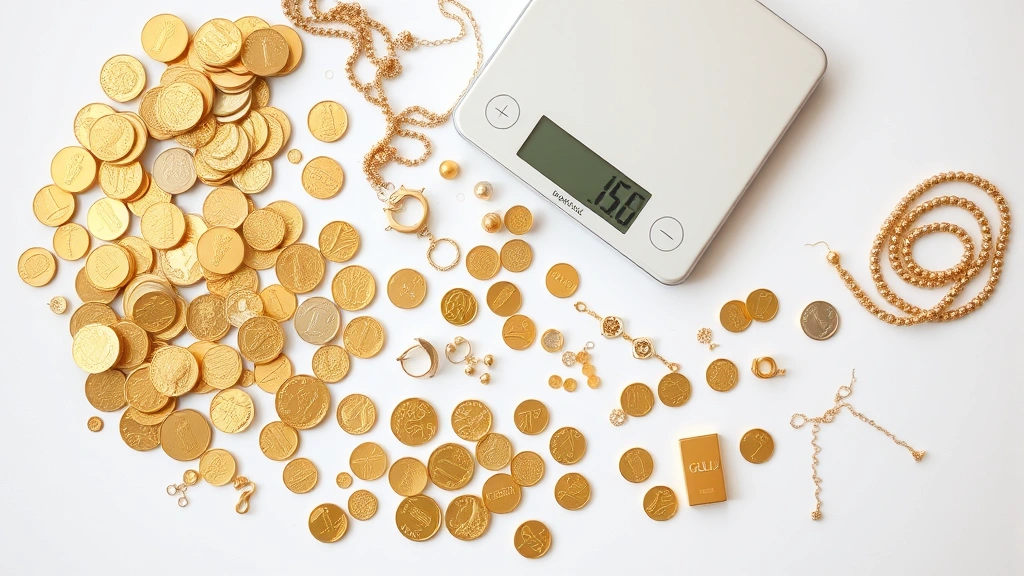
For quick reference, here are common gold weights in both measurements:
- 1 troy ounce = 31.1035 grams
- 5 troy ounces = 155.5175 grams
- 10 troy ounces = 311.035 grams
- 1 kilogram = 32.1507 troy ounces
- 100 grams = 3.21507 troy ounces
Practical Applications for Gold Buyers
Understanding how many grams to the ounce in gold becomes essential when making investment decisions. Gold investors frequently compare prices across different markets, some quoting prices per gram and others per troy ounce. Being able to quickly convert between these measurements ensures you’re making accurate price comparisons. A dealer offering gold at $50 per gram, for instance, is actually asking approximately $1,555 per troy ounce.
When purchasing gold jewelry, weight conversions help you assess value. A 10-gram gold ring equals roughly 0.32 troy ounces. Knowing this allows you to calculate the actual gold content value versus the retail markup. Many jewelry stores list weights in grams, while gold prices are quoted in troy ounces, making this conversion skill invaluable for savvy shoppers.
Collectors of gold coins benefit from understanding these conversions too. A standard American Gold Eagle contains one troy ounce (31.1035 grams) of gold, while smaller fractional coins contain proportional amounts. Someone collecting multiple coins can easily calculate total holdings by converting all weights to a common measurement.
Calculating Gold Value Using Weight Conversions
Determining the actual value of your gold requires accurate weight conversion combined with current market prices. If you own 100 grams of gold and the current price is $60 per gram, your gold is worth $6,000. However, if prices are quoted per troy ounce at $1,865, you’d calculate: 100 grams ÷ 31.1035 = 3.215 troy ounces × $1,865 = $5,996.48. Both calculations yield nearly identical results when conversion is done correctly.
Professional gold refiners and dealers use weight conversions constantly to ensure fair pricing. They weigh incoming gold in grams but may quote prices in troy ounces. Understanding how many grams to the ounce in gold prevents disputes and ensures transparent transactions. When selling gold, always verify that the buyer is using troy ounce measurements and that their scale has been recently calibrated for accuracy.
For those tracking gold investments over time, maintaining consistent measurement standards is crucial. Converting all historical purchases to a single unit—preferably troy ounces—makes portfolio analysis straightforward. This prevents confusion when reviewing past transactions and calculating overall investment performance.
Common Mistakes When Converting Gold Weight
The most frequent error occurs when people confuse troy ounces with standard avoirdupois ounces. Someone might calculate gold value using 28.35 grams per ounce instead of 31.1035, undervaluing their gold by roughly 10%. This mistake is surprisingly common among newcomers and can result in significant financial losses during transactions.
Another common mistake involves rounding conversion numbers prematurely. Using 31.1 instead of 31.1035 might seem negligible for small amounts, but when dealing with larger quantities or multiple transactions, these rounding errors compound. For accurate calculations, always use the complete figure: 31.1035 grams per troy ounce.
People sometimes mix metric and imperial systems inconsistently. A gold seller might quote a price per gram while a buyer thinks in troy ounces, creating confusion and potential disputes. Always clarify the measurement system before any negotiation or transaction begins. As noted in Instructables’ metalworking guides, professional standards require explicit unit specification.
Failing to account for purity also causes valuation errors. A “gram of gold” might contain 24-karat pure gold or be an alloy with lower purity. Always determine fineness (usually marked as .999, .916, or similar) before calculating value. The weight conversion applies to total weight, but the actual gold content value depends on purity percentage.
Measurement Tools and Accuracy
Accurate weight measurement is fundamental when working with gold. Digital scales designed for precious metals offer precision to 0.01 grams, essential for calculating how many grams to the ounce in gold accurately. Avoid using kitchen scales or postal scales, which lack the precision required for precious metals. Invest in a scale specifically calibrated for jewelry or bullion work.
Professional-grade scales often feature calibration weights and tare functions that reset to zero for accurate measurements. Some models display weight simultaneously in grams and troy ounces, eliminating conversion needs. For serious gold investors or dealers, scales accurate to 0.001 grams provide maximum precision.
Regular calibration ensures your scale remains accurate. Most precious metals dealers recalibrate their scales monthly or quarterly. If you’re making significant gold purchases or sales, ask dealers if their scales are currently certified. According to Consumer Reports’ equipment reviews, certified scales provide legal protection in commercial transactions.
When measuring gold, always use the same scale for consistency. Different scales may produce slightly different readings due to calibration variations. If comparing weights across multiple scales, note these potential discrepancies. For peace of mind, have your gold weighed on a certified dealer’s scale as a verification step before finalizing any major transaction.
International Standards and Regulations
The troy ounce remains the universal standard for precious metals trading across all international markets. Whether buying gold in London, Dubai, or New York, dealers use troy ounces for pricing. This global standardization ensures consistency and prevents confusion in worldwide commerce. The London Bullion Market Association (LBMA) and other international bodies maintain these standards.
Many countries have adopted metric measurements for everyday use, yet the precious metals industry universally maintains troy ounce standards. This creates an interesting situation where understanding both systems is necessary for international gold trading. Some dealers provide both measurements on certificates and receipts for customer convenience.
Regulatory bodies like the U.S. Mint and Royal Canadian Mint specify troy ounce weights for official coins. When you purchase a certified gold coin, its weight is always expressed in troy ounces. This standardization protects consumers and ensures authenticity verification is consistent worldwide.
For those importing or exporting gold, customs declarations require accurate weight specifications. Using incorrect measurements can result in regulatory issues and delays. Always verify measurement standards with relevant customs authorities before moving precious metals across borders. Family Handyman’s precision measurement guides emphasize the importance of standardized units in professional work.
FAQ
Is a troy ounce the same as a regular ounce?
No. A troy ounce weighs 31.1035 grams, while a regular avoirdupois ounce weighs 28.35 grams. The troy ounce is exclusively used for precious metals, while the avoirdupois ounce is used for everyday items. Always verify which measurement is being referenced in gold transactions.
How do I convert 50 grams of gold to troy ounces?
Divide 50 by 31.1035 to get 1.607 troy ounces. You can verify this by multiplying 1.607 × 31.1035, which returns approximately 50 grams. This simple division works for any gram-to-troy-ounce conversion.
Why do gold prices use troy ounces instead of grams?
Historical tradition established troy ounces as the precious metals standard centuries ago. This system persists because it provides global consistency and prevents confusion in international trading. Changing this standard now would create significant market disruption.
Can I use a regular kitchen scale to weigh gold?
Kitchen scales lack the precision required for accurate gold measurements. They typically measure in 1-gram increments, which is insufficient for valuable precious metals. Always use a scale specifically designed for jewelry or bullion work.
What’s the difference between fine gold and gold alloys when converting weight?
Weight conversion remains identical regardless of purity. However, the actual gold value depends on fineness percentage. A 10-gram gold alloy still equals 0.321 troy ounces, but its value is lower than 10 grams of pure 24-karat gold. Always determine purity before calculating actual value.
How many grams are in a troy pound of gold?
A troy pound contains 12 troy ounces, which equals 373.242 grams (12 × 31.1035). This differs from a standard avoirdupois pound, which weighs 453.592 grams. The troy pound is rarely used in modern precious metals trading.
Where can I find current gold prices to calculate my holdings’ value?
Reputable sources include the London Bullion Market Association, KITCO, and major financial news outlets. These sources provide real-time or near-real-time gold prices per troy ounce. Always cross-reference multiple sources for accuracy before making investment decisions.
Is understanding how many grams to the ounce in gold important for casual jewelry buyers?
Yes. Knowing this conversion helps you assess whether jewelry prices are fair. If a jeweler quotes a price and weight in grams, you can quickly calculate the per-troy-ounce equivalent and compare it to current market rates. This knowledge protects you from overpaying for gold jewelry.
Understanding how many grams to the ounce in gold is essential for anyone involved in buying, selling, or investing in precious metals. The simple fact that one troy ounce equals 31.1035 grams unlocks accurate pricing, fair transactions, and confident investment decisions. Whether you’re a casual jewelry buyer, serious collector, or active investor, mastering this conversion ensures you navigate the gold market with knowledge and confidence. Keep this reference handy, always verify measurement systems before transactions, and never hesitate to ask dealers for clarification. With these tools and knowledge, you’ll make informed gold purchases and sales that reflect true market value. For additional resources on precious metals investing, consult The Spruce’s home value guides and HowStuffWorks’ explanations of precious metals for comprehensive information.



