How to Keep Apples From Turning Brown: Easy & Amazing Tips
Sliced apples turn brown within minutes due to oxidation, but you can easily prevent this with simple tricks. Whether you’re prepping fruit for a lunch box, creating a beautiful charcuterie board, or storing cut apples for later, knowing how to keep apples from turning brown will save you time and frustration. The good news? You likely already have the solution in your kitchen pantry.
The quick answer: How to keep apples from turning brown involves using acidic liquids (lemon juice, vinegar, or apple juice), salt water solutions, or storing cut apples in airtight containers with minimal air exposure. These methods work by slowing down enzymatic browning, the natural chemical reaction that occurs when apple flesh is exposed to oxygen.
Tools & Materials You’ll Need
- Sharp knife or mandoline slicer
- Cutting board
- Lemon juice, lime juice, or white vinegar
- Salt
- Water
- Airtight containers or resealable plastic bags
- Paper towels
- Plastic wrap or aluminum foil
- Honey (optional)
- Parchment paper
Why Apples Turn Brown After Cutting
Understanding the science behind browning helps you appreciate why these prevention methods work so effectively. When you slice an apple, you expose the flesh to oxygen in the air, triggering a chemical reaction called enzymatic browning. This process involves an enzyme called polyphenol oxidase (PPO) that reacts with compounds in the apple, creating brown pigments called melanin.
This browning is completely harmless and doesn’t indicate spoilage—it’s purely a cosmetic issue. However, the texture and flavor can deteriorate slightly over time. By learning how to keep apples from turning brown, you maintain both the visual appeal and quality of your prepared fruit. The browning process accelerates at room temperature, which is why refrigeration helps, but it won’t stop browning entirely without additional intervention.
The Lemon Juice Method: Most Effective Solution
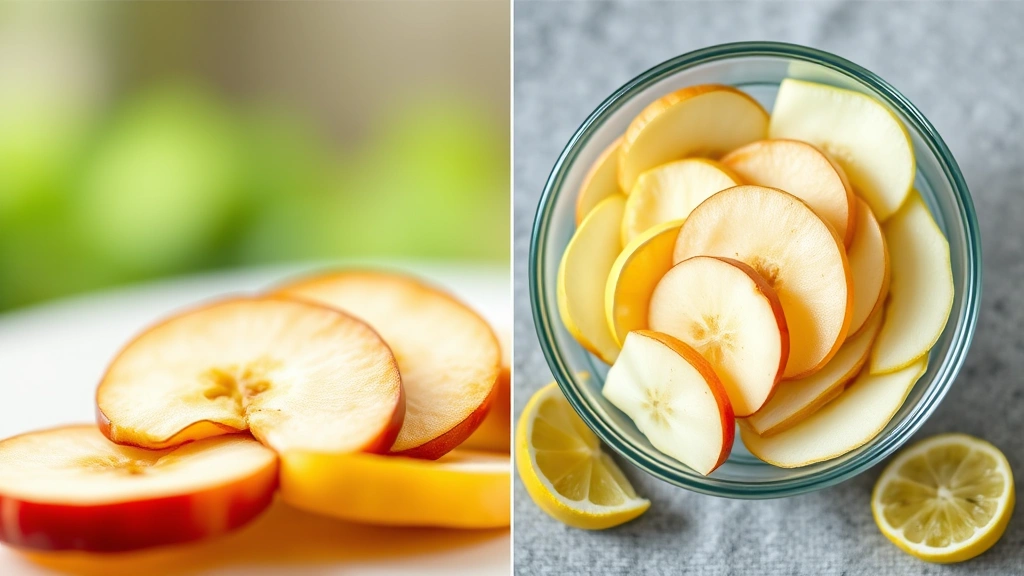
The lemon juice method is the gold standard for how to keep apples from turning brown, and it’s incredibly simple. The citric acid in lemon juice lowers the pH of the apple’s surface, creating an environment where the browning enzyme cannot function effectively. This method works within seconds and provides protection for several hours.
Step-by-step process:
- Slice your apples into desired thickness using a sharp knife
- Place slices in a bowl or on a plate
- Squeeze fresh lemon juice directly over the apples, or mix 2 tablespoons of lemon juice with 1 cup of water and dip the slices
- Toss gently to ensure all surfaces are coated
- Store in an airtight container or cover with plastic wrap
- Refrigerate until ready to use
Fresh lemon juice works better than bottled, but bottled will still provide effective protection. According to WikiHow’s food preservation guides, citric acid solutions are among the most reliable methods for preventing oxidative browning in fresh produce. If you’re concerned about the lemon flavor affecting your dish, use a very light coating or try lime juice as an alternative.
Salt Water Soak for Extended Storage
For longer-term storage, a salt water solution offers excellent protection while being virtually undetectable in flavor when used properly. This method is particularly useful if you’re preparing apples a day in advance. The salt water creates an osmotic barrier that slows both browning and bacterial growth.
Creating the salt water solution:
- Mix 1 teaspoon of salt with 1 cup of cold water
- Stir until salt completely dissolves
- Submerge sliced apples for 3-5 minutes
- Remove apples and pat dry with paper towels
- Store in airtight containers with parchment paper between layers
The key to success with this method is thorough drying after soaking. Excess moisture can actually accelerate browning and encourage mold growth. Pat each slice individually with paper towels before storing. This approach works exceptionally well when you need to know how to keep apples from turning brown overnight or for up to 24 hours in the refrigerator.
Vinegar and Water Solution
White vinegar or apple cider vinegar provides another acidic option for preventing browning. This method is especially popular because vinegar is a pantry staple in most homes. The acetic acid works similarly to lemon juice, inhibiting the browning enzyme while adding minimal flavor impact when properly diluted.
Vinegar solution recipe:
- Combine 1 tablespoon of white vinegar with 1 cup of water
- Mix thoroughly in a shallow bowl
- Dip apple slices for 30 seconds, ensuring complete coverage
- Transfer to paper towels and pat dry
- Arrange in airtight containers with minimal air space
Apple cider vinegar provides a subtly different flavor profile and works equally well for how to keep apples from turning brown. Some people prefer this method for baking applications where the slight tang complements the recipe. The vinegar smell dissipates quickly once the apples are refrigerated, so don’t be concerned about lingering odors affecting your fruit.
Airtight Container Storage Technique
While acidic solutions are most effective, proper storage in airtight containers significantly slows browning by limiting oxygen exposure. This method works best when combined with one of the acidic treatments mentioned above, but can provide modest protection on its own for short periods.
Optimal storage steps:
- Slice apples immediately before storage to minimize initial oxidation
- Place slices in airtight containers, pressing down gently to remove excess air
- Alternatively, use resealable plastic bags and remove as much air as possible before sealing
- Store in the coldest part of your refrigerator (typically the back of a shelf)
- Keep slices separated by parchment paper to prevent sticking
According to The Spruce’s food storage recommendations, reducing oxygen exposure is crucial for maintaining fresh produce quality. Vacuum-sealed containers offer the best protection, though standard airtight containers work well for most home applications. This method alone can keep apples from turning brown for 3-4 hours, but combining it with lemon juice extends protection to 8+ hours.
Honey Coating Method
The honey coating method creates a protective barrier that physically blocks oxygen from reaching the apple’s surface. While more labor-intensive than other options, this approach works beautifully for special presentations like charcuterie boards or dessert platters.
Application process:
- Lightly brush or drizzle honey over apple slices
- Use just enough to create a thin, glossy coating
- Arrange slices on parchment paper without overlapping
- Refrigerate until serving
- The honey hardens slightly when cold, creating an effective seal
This method provides excellent visual appeal and adds subtle sweetness. It’s particularly effective for how to keep apples from turning brown in desserts or on fruit platters where the honey flavor enhances the overall presentation. However, the honey coating can make apples sticky and may not be ideal for lunch boxes or casual storage.
Preventing Brown Apples in Lunch Boxes
Packing apples for lunch requires a combination of methods to ensure they stay fresh and appealing throughout the day. Since lunch boxes lack refrigeration for several hours, you need maximum protection from oxidation and bacterial growth.
Best practices for lunch boxes:
- Slice apples immediately before packing, or pre-slice and treat with lemon juice the night before
- Pack treated apple slices in airtight containers or small resealable bags
- Include a small container of lemon juice or vinegar solution if slices weren’t pre-treated
- Pack apples in the coldest part of the lunch box, near an ice pack
- Keep slices separate from other foods to prevent moisture transfer
- Include a paper towel in the container to absorb excess moisture
For younger children, consider whole apples instead of slices to eliminate browning concerns entirely. If slices are necessary, the lemon juice method combined with airtight storage provides the most reliable protection. Many parents find that treating apples with lemon juice the night before and storing them in sealed containers works perfectly for the next day’s lunch.
Best Apples for Slicing and Storage
Not all apple varieties are created equal when it comes to browning resistance and storage capability. Some apples naturally brown more slowly than others, making them ideal choices if you frequently need to know how to keep apples from turning brown.
Best varieties for slicing:
- Granny Smith: Firm texture, slower browning, excellent for storage
- Honeycrisp: Crisp and sweet, moderate browning speed
- Fuji: Dense flesh resists browning well, stores excellently
- Braeburn: Firm texture, slow browning process
- Pink Lady: Naturally resistant to browning, great flavor
Avoid softer varieties like McIntosh or Gala if you’re preparing apples in advance, as they brown faster and become mealy more quickly. Firmer apples maintain better texture throughout storage. According to Consumer Reports’ produce testing, Granny Smith and Fuji apples consistently outperform other varieties in terms of browning resistance and storage longevity.
The ripeness of your apple also matters significantly. Riper apples brown faster than slightly underripe ones, so select apples that are firm to the touch. Store whole apples in the refrigerator’s crisper drawer until you’re ready to slice them. If you’re interested in selecting other produce that stores well, check out our guide on how to tell if a pineapple is ripe for additional fruit storage insights.
FAQ
Q: How long do treated apples stay fresh?
A: Lemon juice-treated apples stay fresh for 6-8 hours at room temperature and 24+ hours refrigerated. Salt water solutions extend protection to 24-48 hours when properly stored in airtight containers.
Q: Can I use bottled lemon juice instead of fresh?
A: Yes, bottled lemon juice works effectively, though fresh juice provides slightly better results. The citric acid content is comparable, making bottled juice a convenient alternative.
Q: Will treated apples taste like lemon?
A: Not if you use the proper dilution ratios. Light lemon juice coating or properly diluted solutions (2 tablespoons juice to 1 cup water) won’t noticeably affect taste.
Q: Is browning harmful to eat?
A: No, browning is purely cosmetic and completely harmless. Browned apples are safe to eat and haven’t spoiled.
Q: Can I freeze sliced apples to prevent browning?
A: Freezing stops browning but changes texture significantly. Frozen apples work for smoothies or cooking but not for fresh eating.
Q: What’s the fastest way to prevent browning?
A: Lemon juice application is the fastest method—simply squeeze juice over slices immediately after cutting. Results are visible within seconds.
Q: Do I need to refrigerate treated apples?
A: Refrigeration isn’t strictly necessary for treated apples but significantly extends protection. Room temperature protection lasts 3-4 hours with lemon juice treatment.
Q: Can I use other citrus juices?
A: Yes, lime juice, orange juice, and grapefruit juice all work effectively due to their citric acid content. Lime juice is particularly effective and adds interesting flavor notes.
Learning how to keep apples from turning brown is an essential kitchen skill that saves time and reduces food waste. Whether you’re using the simple lemon juice method, salt water solutions, or airtight storage techniques, these proven approaches ensure your prepared apples stay fresh, crisp, and visually appealing. For complementary food preparation skills, explore our guide on how long to steam broccoli for additional produce handling tips. With these strategies in your arsenal, you’ll confidently prepare apple slices for any occasion, from school lunches to elegant entertaining. The key is choosing the method that best fits your timeline and storage situation, then executing it consistently for reliable results every time.