How to Find Hidden Apps on iPhone: Simple & Amazing Guide
Wondering how to find hidden apps on iPhone? Whether you’ve accidentally hidden an app or suspect someone else has, discovering concealed applications is easier than you think. In just a few taps, you can locate and manage all your hidden apps using built-in iPhone features. This guide walks you through every method to find hidden apps on iPhone, from Siri suggestions to App Library searches, ensuring you never lose track of your applications again.
Quick Answer: The fastest way to find hidden apps on iPhone is to open the App Library, swipe to the “Suggestions” category, or use Spotlight Search by swiping down from your home screen and typing the app name. You can also check your App Store purchase history or enable the app in Settings if it’s been hidden from your home screen.
Tools & Materials You’ll Need
- Your iPhone (iOS 14 or later recommended)
- Your Apple ID credentials
- Internet connection (optional, for App Store access)
- Screen time to explore settings
Understanding Hidden Apps on iPhone
Hidden apps on iPhone are applications that don’t appear on your home screen but still exist on your device. Apple introduced this feature to help users organize their phones better, allowing people to keep apps installed while removing them from the main display. When you learn how to find hidden apps on iPhone, you’re essentially accessing these organizational features that Apple built into iOS.
Apps can become hidden in several ways: you might have accidentally hidden them yourself, they could be tucked away in folders, placed in the App Library, or hidden through Screen Time settings. The key is understanding that hidden doesn’t mean deleted—your data and the app itself remain on your device, just out of immediate view.
According to WikiHow’s comprehensive guides, understanding your iPhone’s organizational features is essential for efficient device management. Knowing how to find hidden apps on iPhone ensures you maintain full control over your device’s functionality.
Method 1: Search Using Spotlight
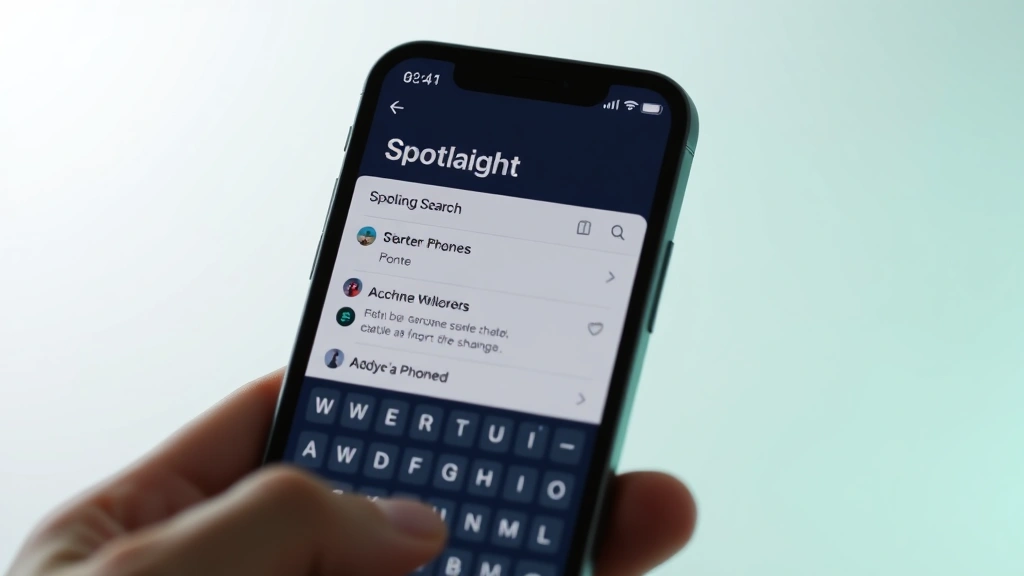
Spotlight Search is the quickest way to find hidden apps on iPhone. This built-in search function indexes all apps on your device, regardless of whether they’re visible on your home screen. Simply swipe down from the center of any home screen to activate Spotlight Search.
Once the search interface appears, start typing the app name you’re looking for. As you type, matching results will appear instantly. This method works for finding hidden apps on iPhone because Spotlight searches your entire device, not just visible apps. When you find your app in the results, tap it to launch the application immediately.
This method is particularly useful when you can’t remember if you have an app installed or when you suspect an app might be hidden. Spotlight Search bypasses all organizational barriers and shows you everything installed on your device.
Method 2: Check Your App Library
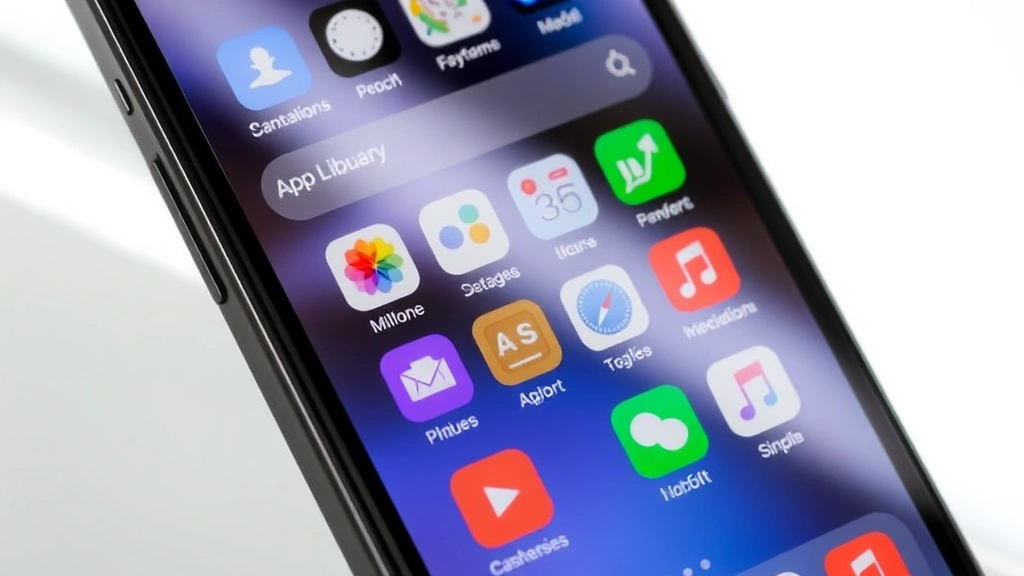
The App Library is Apple’s intelligent organizational system that automatically categorizes your apps. To access it, swipe all the way to the right on your home screens until you reach the App Library page. This is an excellent way to find hidden apps on iPhone because every installed application appears here, organized by category.
In the App Library, you’ll see categories like Suggestions, Recently Added, Productivity, Social, Entertainment, and more. Swipe through these categories to browse all your apps. You can also search within the App Library by tapping the search icon at the top and typing the app name.
The App Library displays apps that might not be on your home screen, making it a reliable method to find hidden apps on iPhone. Once you locate your app here, you can tap and hold it to add it back to your home screen if desired. This organizational feature is especially helpful for users with hundreds of apps who want to keep their home screens clean.
Method 3: Review App Store Purchase History
Your App Store purchase history contains a record of every app you’ve ever downloaded, including those that are currently hidden. To access this, open the App Store app and tap your profile icon in the top-right corner. Select “Purchases” to view your complete app history.
From here, you’ll see two tabs: “All Purchases” and “Not on This iPhone.” The “All Purchases” tab shows apps you’ve downloaded, including those currently installed but hidden. This method to find hidden apps on iPhone is particularly useful if you’re trying to remember what apps you own or if you suspect an app was hidden long ago.
If you want to reinstall or access an app from your purchase history, simply tap the cloud download icon next to it. This method also helps you identify apps you may have forgotten about, ensuring you have a complete picture of your digital toolkit.
Method 4: Use Siri to Locate Apps
Siri, Apple’s voice assistant, can help you find hidden apps on iPhone without manually searching. Simply activate Siri by pressing and holding the home button (or saying “Hey Siri”) and ask “Open [app name].” Siri will locate and launch the app if it’s installed on your device.
This method is particularly convenient when you’re multitasking or your hands are full. Siri’s ability to search across your entire device means it can find hidden apps on iPhone regardless of their organizational location. If the app exists on your device, Siri will find it.
You can also ask Siri questions like “Do I have the [app name] app?” to verify whether an app is installed. This voice-based approach to finding hidden apps on iPhone is intuitive and requires no navigation through menus.
Method 5: Check Hidden Apps in Settings
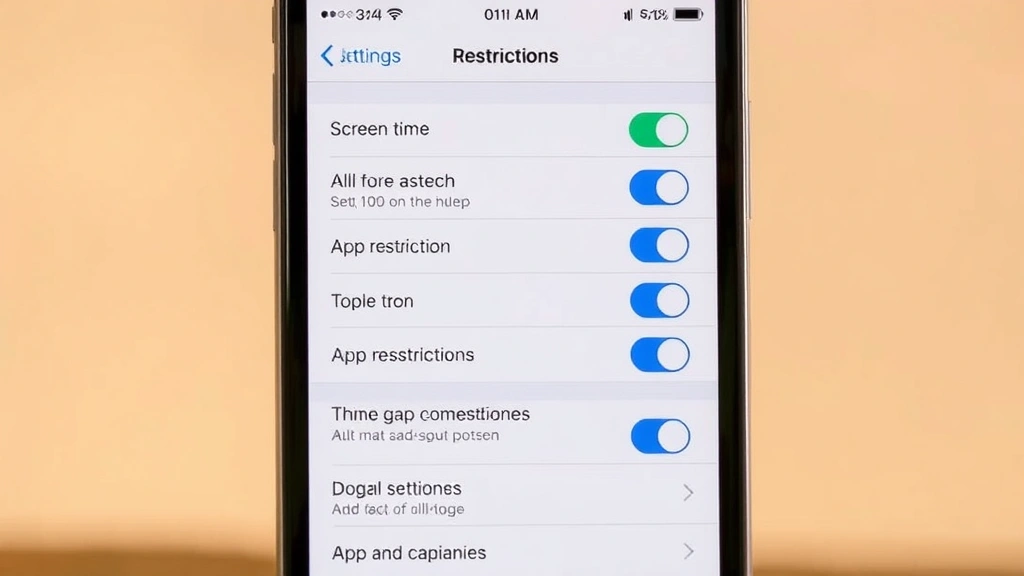
Sometimes apps are hidden through Screen Time restrictions or other settings. To check if apps are hidden this way, open Settings and tap “Screen Time.” Then select “Content & Privacy Restrictions” and enter your Screen Time passcode if prompted.
Navigate to “Allowed Apps” to see if any apps have been restricted or hidden from your home screen. If you see apps listed here with toggles turned off, those are apps that have been restricted. This method to find hidden apps on iPhone reveals apps that may not appear on your home screen due to parental controls or personal restrictions.
You can also check “App Limits” and “Downtime” settings to understand if certain apps are being restricted based on time-based rules. Understanding these settings is crucial for learning how to find hidden apps on iPhone when they’ve been deliberately restricted.
Preventing Apps from Hiding in the Future
Once you’ve mastered how to find hidden apps on iPhone, you’ll want to prevent accidental hiding. To avoid accidentally hiding apps, be mindful when long-pressing app icons. A menu will appear asking if you want to remove the app from the home screen—avoid tapping this option unless you intentionally want to hide the app.
Consider using folders on your home screen to organize apps instead of hiding them entirely. This keeps apps visible while still maintaining organization. You can also pin frequently-used apps to your dock at the bottom of your screen for quick access, reducing the need to hide apps in the first place.
For a more comprehensive understanding of app management, check out our guide on how to unhide apps on iPhone, which provides detailed steps for restoring hidden applications. Additionally, learning how to update apps on iPhone ensures your applications remain current and functional.
If you’re concerned about app management and device security, you might also want to explore how to turn off Find My iPhone and understand how to unblock a number on iPhone for complete device control. For general device maintenance, our guide on how to clean iPhone charging port helps keep your device in optimal condition.
According to The Spruce’s technology guides, proper device organization leads to better overall user experience. Taking time to understand how to find hidden apps on iPhone is part of comprehensive device management.
Advanced Tips for App Management
Beyond basic searching, there are advanced techniques to manage and locate hidden apps on iPhone. One powerful approach is using the “Offload Unused Apps” feature in Settings, which helps you identify apps you haven’t used recently. Navigate to Settings > General > iPhone Storage to see this list.
Another useful tip involves creating custom Smart Stacks on your home screen. These automatically rotate between relevant apps, making it easier to access apps you might otherwise hide. You can also use iCloud to sync your app preferences across devices, ensuring you maintain consistency in how to find hidden apps on iPhone across your Apple ecosystem.
For users managing multiple family members’ devices, understanding parental controls becomes essential. If you’re trying to find hidden apps on iPhone for a family member, check their Screen Time settings with appropriate permissions. This ensures you can help them locate apps while respecting privacy boundaries.
Troubleshooting Common Issues
If you’re having trouble finding a hidden app on iPhone despite trying these methods, consider a few troubleshooting steps. First, restart your iPhone completely by powering it off and back on. This refreshes your device’s indexing system and can resolve search issues.
If Spotlight Search isn’t finding an app, check your Spotlight settings. Go to Settings > Siri & Search and ensure the app you’re looking for has search enabled. You might need to scroll down to find the specific app and toggle its search permission on.
If an app still doesn’t appear after trying all these methods, it may have been deleted rather than hidden. In this case, you can reinstall it from the App Store. Use the App Store search function to locate the app and tap the cloud icon to reinstall it on your device.
According to HowStuffWorks’ technology resources, systematic troubleshooting typically resolves most app visibility issues. Don’t hesitate to restart your device or check your settings multiple times when learning how to find hidden apps on iPhone.
Understanding iOS Updates and App Visibility
iOS updates occasionally affect how apps appear on your device. When you update to a new iOS version, some apps might reorganize or change their visibility settings. Understanding this relationship helps you better grasp how to find hidden apps on iPhone across different iOS versions.
Each iOS update improves the App Library and search functionality, making it progressively easier to find hidden apps on iPhone. Keeping your device updated ensures you have access to the latest search and organizational features Apple has developed.
If you notice apps behaving differently after an update, give your device time to reindex. This process happens automatically over several hours. Your iPhone will re-catalog all apps and their metadata, which can temporarily affect search results.
Frequently Asked Questions
Can hidden apps on iPhone spy on me?
No, hidden apps function identically to visible apps. Hiding an app only removes it from your home screen display; it doesn’t change the app’s permissions or functionality. All apps on your iPhone require explicit permission to access sensitive data like location, contacts, or camera.
Will I lose data if I unhide an app?
Absolutely not. Hiding and unhiding apps never affects your data. All app data, settings, and preferences remain intact whether the app is hidden or visible on your home screen.
How do I know if someone else hid apps on my iPhone?
Use Spotlight Search to compare apps you expect to have with what appears on your home screen. Check your App Library and purchase history to identify any unexpected hidden apps. If you notice discrepancies, review your Screen Time settings to see if restrictions have been applied.
Is there a way to prevent others from hiding apps on my iPhone?
Yes, enable Screen Time and set a passcode. This prevents unauthorized changes to app visibility and organizational settings. Go to Settings > Screen Time > Content & Privacy Restrictions to set this up.
Can I hide multiple apps at once?
iOS doesn’t offer a batch-hiding feature. You’ll need to hide apps individually by long-pressing each app and selecting “Remove from Home Screen.” However, you can organize apps into folders as an alternative to hiding them.
Why would someone intentionally hide apps on their iPhone?
People hide apps for various reasons: maintaining a clean home screen, organizing by frequency of use, reducing distractions, or keeping certain apps private. Understanding how to find hidden apps on iPhone helps you manage your organizational preferences effectively.
Do hidden apps still receive notifications?
Yes, hidden apps function completely normally, including sending notifications. Hiding an app only affects its home screen visibility, not its operational capabilities or notification settings.
Can I hide system apps on iPhone?
Most system apps cannot be hidden or deleted. However, you can remove many default apps from your home screen and access them through the App Library or Spotlight Search. Some system apps like Settings, Phone, and Messages cannot be removed from your device.
As reviewed by Consumer Reports, understanding your device’s features leads to better user satisfaction and device management. Learning how to find hidden apps on iPhone is an essential skill for maximizing your device’s potential.
Conclusion
Mastering how to find hidden apps on iPhone gives you complete control over your device’s organization and functionality. Whether you use Spotlight Search, the App Library, Siri, or your purchase history, you now have multiple reliable methods to locate any hidden app. The key is understanding that hidden apps remain fully functional and accessible—they’re simply not displayed on your home screen.
Take time to explore these methods and find the approach that works best for your workflow. Whether you prefer voice commands, visual browsing, or quick searches, iPhone offers flexibility in how you manage and discover your apps. By implementing these techniques and following the prevention tips, you’ll never lose track of your applications again.