How to Disconnect Car Battery: Easy & Essential Tips
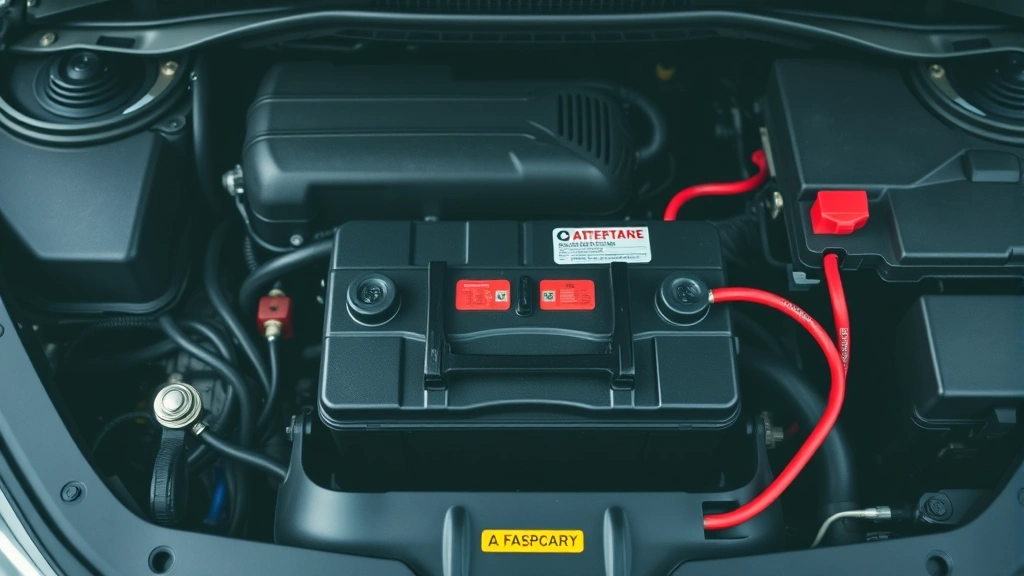
Knowing how to disconnect car battery safely is a fundamental skill every car owner should master. Whether you’re performing maintenance, replacing components, or storing your vehicle long-term, disconnecting your battery properly prevents electrical damage and personal injury. This guide walks you through the process step-by-step, ensuring you handle this task confidently and correctly.
Quick Answer: To disconnect your car battery, turn off the engine and all electrical components, locate the battery under the hood, loosen the negative terminal (black cable) first using a wrench, then disconnect the positive terminal (red cable). Always disconnect negative before positive to prevent short circuits. Store the cables away from the terminals to avoid accidental reconnection.
- Safety glasses and work gloves
- Adjustable wrench or socket set (typically 8-10mm)
- Battery terminal cleaner (optional but recommended)
- Flashlight or headlamp
- Baking soda and water (for corrosion cleaning)
- Plastic battery terminal covers
- Notebook to document cable positions
Why You Need to Know How to Disconnect Car Battery
Understanding how to disconnect car battery is essential for multiple reasons. Disconnecting your battery protects your vehicle’s electrical system during repairs, maintenance work, or component replacement. When you’re working on electrical systems, fuel injectors, or other sensitive components, an active battery can cause short circuits or damage expensive electronics.
Long-term vehicle storage also requires battery disconnection to prevent parasitic drain—a slow discharge that occurs even when the car sits unused. Additionally, disconnecting the battery is a safety requirement before working on airbag systems, brake systems, or any high-voltage components. According to WikiHow’s comprehensive automotive guides, battery disconnection is the first step professionals take before any major vehicle work.
Many car owners also disconnect their batteries when troubleshooting electrical gremlins, resetting computer systems, or performing warranty-required maintenance. This simple procedure can save thousands in potential electrical damage and ensures your safety during hands-on automotive work.
Safety Preparation Before Disconnecting
Safety comes first when working with car batteries. Before you even think about how to disconnect car battery, gather all necessary safety equipment. Wear safety glasses to protect against battery acid splashes and work gloves to shield your hands from corrosion and sharp terminal edges.
Turn off your engine completely and allow it to cool for several minutes. Ensure all electrical components—headlights, interior lights, radio, and climate control—are switched off. This prevents electrical surges when you disconnect the terminals. Remove any metal jewelry, watches, or rings that could accidentally contact both terminals simultaneously and create a dangerous short circuit.
Work in a well-ventilated area, preferably outdoors or in a garage with open doors. Never smoke or use open flames near a car battery, as batteries emit hydrogen gas that is highly flammable. If your battery shows visible cracks, leaks, or excessive corrosion, do not attempt disconnection yourself—contact a professional technician instead.
Locating Your Vehicle’s Battery
Most car batteries are located under the hood, typically on one side of the engine compartment. Locate your battery by opening the hood and looking for a large rectangular plastic case with two thick cables attached. The positive terminal features a red cable and cover marked with a plus (+) symbol, while the negative terminal has a black cable and minus (−) symbol.
In some vehicles, particularly luxury cars and hybrids, the battery might be located in the trunk, under the rear seat, or even beneath the car’s body. Consult your vehicle’s owner manual to confirm the exact location if you’re unsure. Taking a photo of your battery’s current state and terminal connections helps you remember the correct reconnection sequence later.
If you’re having trouble identifying the battery, Family Handyman’s automotive resource section provides vehicle-specific guides with detailed photos. Modern vehicles sometimes have multiple batteries, so verify whether your car has auxiliary batteries that also need disconnection for your specific maintenance task.
Step-by-Step Disconnection Process
Follow this precise sequence to safely disconnect your car battery:
- Verify the engine is completely off and allow the engine bay to cool for 5-10 minutes. This ensures no electrical current is flowing through the system.
- Put on your safety glasses and work gloves before proceeding. These protect you from corrosion, sparks, and accidental contact with live terminals.
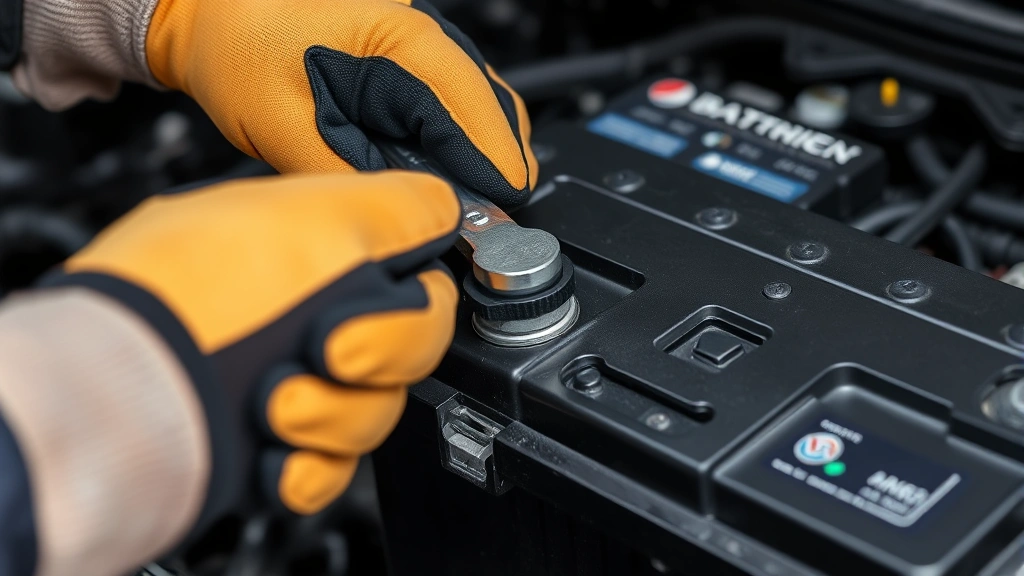
- Locate the negative terminal (black cable) on your battery. This is the crucial first step—always disconnect negative before positive to prevent short circuits.
- Use your wrench to loosen the negative terminal bolt by turning counterclockwise. Most terminals require an 8mm or 10mm wrench. Loosen until the cable moves freely but don’t completely remove the bolt yet.
- Gently wiggle and pull the negative cable away from the terminal. If it’s stuck due to corrosion, use a battery terminal puller tool or tap gently with a rubber mallet. Never force it violently.
- Move the disconnected negative cable away from the battery and secure it so it cannot accidentally touch the terminal again. Many people tape the cable to the side of the engine bay.
- Repeat the process with the positive terminal (red cable). Loosen the bolt counterclockwise, wiggle gently, and disconnect the cable.
- Move the positive cable away and secure it to prevent accidental contact. Now your battery is completely disconnected and safe for maintenance work.
This sequence is critical: always disconnect negative first, positive second. Reversing this order can cause dangerous sparks or short circuits. The negative terminal is your safety ground, so disconnecting it first eliminates the risk of current flowing through your body or tools if you accidentally touch both terminals.
How to Reconnect Your Battery Safely
Reconnection requires reversing your disconnection sequence precisely. When reconnecting your car battery, always connect positive first, then negative. This opposite order prevents the same short-circuit risks you avoided during disconnection.
Start by taking the positive (red) cable and positioning its terminal over the positive battery post. Insert the bolt and hand-tighten it first, then use your wrench to tighten firmly—but not excessively, as over-tightening can strip threads or crack the terminal. The connection should be snug enough that the cable doesn’t wiggle.
Next, connect the negative (black) cable using the same process. Hand-tighten first, then use your wrench to achieve a firm connection. Once both terminals are connected, double-check that neither cable can move or slip off. Consumer Reports emphasizes proper reconnection technique as equally important as disconnection for preventing electrical problems.
After reconnection, start your engine and verify all electrical systems function normally—lights, wipers, radio, and dashboard gauges. Some vehicles may require you to reset certain settings or clear error codes after battery disconnection. Check your owner’s manual for any post-reconnection procedures specific to your vehicle model.
Troubleshooting Common Issues
Stuck or Corroded Terminals: If your battery terminals won’t budge, don’t force them. Apply a battery terminal corrosion cleaner spray and wait 10-15 minutes for it to penetrate. Alternatively, mix baking soda with water to create a paste, apply it to the corroded area, and let it sit. The chemical reaction helps loosen corrosion. Use a battery terminal puller tool—a specialized device designed specifically for this task—rather than brute force.
Cable Won’t Disconnect: Corrosion buildup inside the cable connector is often the culprit. Tap the connector gently with a rubber mallet while wiggling it side-to-side. This helps break the corrosion bond without damaging the terminal. If it remains stuck, apply penetrating oil and wait 30 minutes before trying again.
Battery Terminals Spark During Disconnection: Sparking indicates you disconnected positive before negative, or an electrical component was still drawing power. Stop immediately and reconnect both terminals. Verify all electrical components are truly off, then try again, remembering: negative first, positive second.
Difficulty Tightening Reconnected Terminals: If the bolt spins freely without tightening, the terminal post or bolt threads may be damaged. Try a slightly larger wrench size or consider replacing the terminal. Loose connections cause poor electrical contact and can leave you stranded.
Warning Lights After Reconnection: Some vehicles display error codes or warning lights after battery disconnection. This is normal and typically clears after driving for 10-20 minutes as the computer resets. If warnings persist, consult your owner’s manual or a professional mechanic.
Battery Maintenance Tips
Regular maintenance extends your battery’s lifespan and prevents disconnection issues. Clean battery terminals every 3-6 months to prevent corrosion buildup that makes future disconnection difficult. Mix baking soda with water to create a cleaning paste, apply it to corroded terminals, scrub gently with an old toothbrush, and rinse thoroughly with distilled water.
Inspect your battery regularly for signs of damage, leaking, or excessive corrosion. A healthy battery should have clean, shiny terminals with minimal white or blue-green crusty buildup. If corrosion is severe or the battery case shows cracks, replacement is necessary.
During winter months, battery performance decreases significantly. If you live in a cold climate, consider disconnecting your battery when storing your vehicle long-term to prevent parasitic drain. The Spruce’s vehicle care guides recommend this practice for vehicles stored more than 30 days.
Keep your battery terminals tight by checking them monthly. Loose connections reduce electrical efficiency and can cause starting problems. A simple wrench check takes 30 seconds and prevents major headaches. If you notice your car is slow to start, difficult to start in cold weather, or dimming lights, these often indicate loose battery connections—verify your terminals are tight before assuming battery replacement is needed.
Consider investing in battery terminal covers after reconnection. These plastic covers prevent accidental contact with terminals and protect against corrosion. They’re inexpensive, easy to install, and provide peace of mind during engine bay work.
If you’re interested in other vehicle maintenance tasks, learning how to check CPU temp for your vehicle’s computer system or understanding how to replace AirTag battery for your car’s tracking devices can enhance your overall automotive knowledge. Similarly, understanding how to clean iPhone charging port and how to turn off Apple Watch helps you manage your vehicle’s connected devices and systems.
FAQ
Q: How long can a car sit with the battery disconnected?
A: A car can safely sit with the battery disconnected indefinitely without damaging the battery itself. However, the vehicle’s clock, radio presets, and other settings will reset. Modern vehicles with sophisticated computer systems may experience error codes if disconnected for extended periods. Most mechanics recommend reconnecting after 30-90 days of storage.
Q: Will disconnecting the battery erase my car’s computer memory?
A: Disconnecting the battery clears the vehicle’s RAM, which resets error codes and some settings. However, permanent programming and vehicle identification data stored in ROM (read-only memory) remain intact. Your radio presets, seat positions, and other personalized settings may reset depending on your vehicle model.
Q: Can I disconnect the battery while the engine is running?
A: Absolutely not. Disconnecting the battery while the engine runs can damage your alternator, computer system, and other electrical components. Always turn off the engine completely and wait several minutes before disconnecting the battery.
Q: What size wrench do I need to disconnect my car battery?
A: Most car batteries use 8mm, 9mm, or 10mm terminal bolts. A 10mm wrench works for the majority of vehicles. Check your owner’s manual or try different sizes until you find the correct fit. Using an incorrectly sized wrench can strip the bolt or terminal.
Q: Is it dangerous to touch the battery terminals?
A: Car batteries produce 12 volts, which is relatively low voltage and won’t cause serious injury from direct contact. However, battery acid is extremely corrosive and can cause severe chemical burns. Always wear gloves and avoid touching your face after handling battery terminals until you’ve washed your hands thoroughly.
Q: Why do I need to disconnect negative first?
A: Disconnecting negative first removes the ground connection, which prevents current flow through your body or tools if you accidentally touch both terminals. If you disconnect positive first, the negative terminal remains live and can cause dangerous sparks or shocks if contacted.
Q: Can I use a regular wrench or do I need a special battery wrench?
A: A regular adjustable wrench or socket wrench works perfectly fine. Some people prefer battery-specific wrenches with insulated handles for added safety, but they’re not necessary. Any wrench that fits your terminal bolts will work.