
How to Tell If a Pineapple is Ripe: The Simple, Perfect Guide
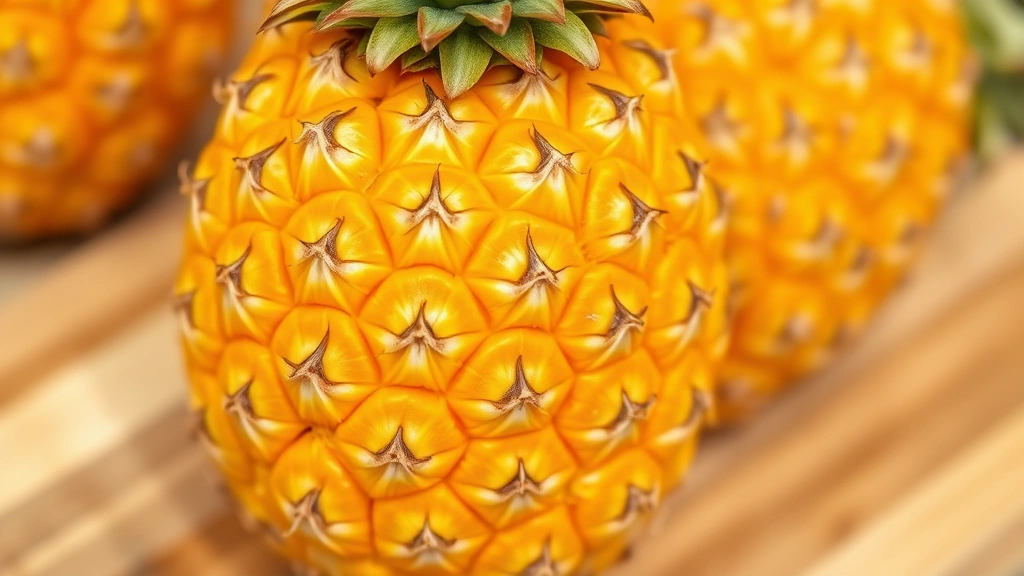
Picking a ripe pineapple doesn’t require special expertise—just a few simple checks. Whether you’re shopping at the farmer’s market or your local grocery store, learning how to tell if a pineapple is ripe will save you from disappointment and ensure you get the sweetest, juiciest fruit every time. In this guide, we’ll walk you through proven methods that take less than a minute to master.
Quick Answer: The best way to determine ripeness is to check the color (golden-yellow), gently squeeze the fruit for slight give, smell the base for a sweet aroma, and look for brown leaf tips. Avoid pineapples with soft spots, mold, or a fermented smell. A ripe pineapple should feel heavy for its size and have a fragrant base—these are your most reliable indicators of how to tell if a pineapple is ripe.
Tools & Materials You’ll Need
- Your nose (for the smell test)
- Your hands (for the squeeze test)
- Your eyes (for visual inspection)
- A scale (optional, for weight comparison)
- Good lighting (to assess color accurately)
Check the Color for Ripeness
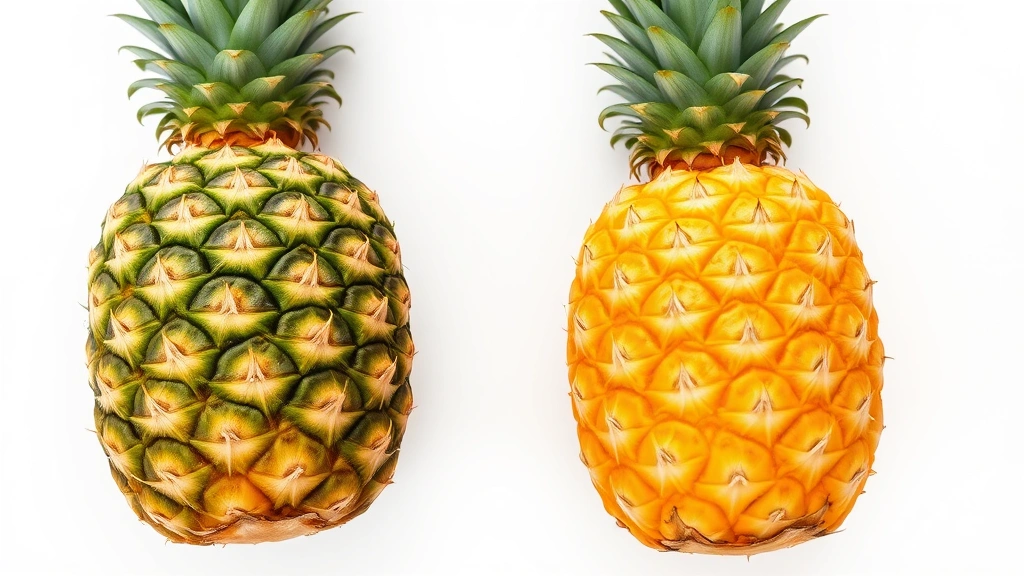
Color is one of the most obvious indicators when you’re learning how to tell if a pineapple is ripe. A mature pineapple transitions from green to golden-yellow, starting at the base and working upward. Look for a pineapple with a predominantly yellow or golden hue—this signals that the fruit has developed sufficient sugars and is ready to eat.
However, don’t wait for the entire fruit to turn yellow. Some varieties, particularly those grown in tropical regions, naturally retain green coloring even when fully ripe. The key is to look for a shift from bright green to a warmer, more muted tone. If the pineapple is still mostly green with just a hint of yellow at the base, it’s likely underripe and will benefit from a few more days.
Conversely, if the pineapple is completely brown or has dark patches, it may be overripe or damaged. According to WikiHow’s comprehensive produce guides, the ideal color for a ripe pineapple is a rich golden-yellow with minimal green remaining. When shopping, hold the fruit up to natural light to get an accurate color assessment.
The Squeeze Test Explained
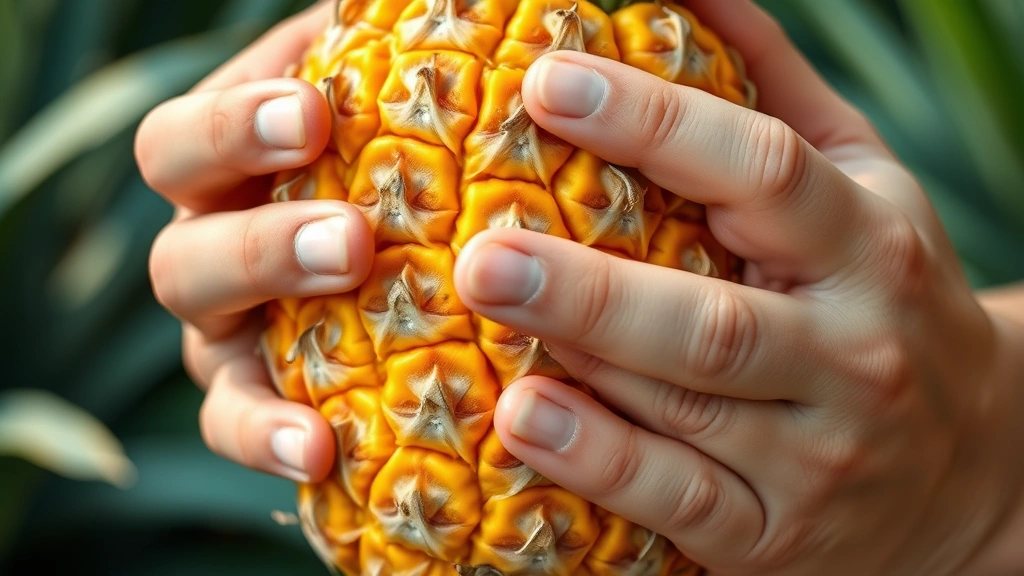
The squeeze test is a tactile method that helps you understand how to tell if a pineapple is ripe without cutting into it. Gently press the skin of the pineapple with your thumb or fingers—a ripe pineapple should yield slightly to pressure but not feel mushy or soft. You’re looking for a firmness that gives just a little, similar to the feel of a ripe avocado.
Apply gentle, even pressure across different parts of the fruit. If the pineapple feels rock-hard and doesn’t give at all, it’s underripe and needs more time. If it feels spongy, has soft indentations, or feels overly mushy, the fruit is past its prime and may have started to ferment inside. The sweet spot is that perfect middle ground—firm enough to maintain structure but soft enough to indicate sugar development.
One common mistake is squeezing too hard, which can bruise the fruit and create soft spots that aren’t indicative of actual ripeness. Use a gentle touch with consistent, light pressure. This method works best when combined with the other tests, as squeeze alone can be misleading if the pineapple has been stored in cold conditions.
Use Your Nose: The Smell Test
The aroma test is one of the most reliable ways to determine how to tell if a pineapple is ripe, and it’s often overlooked by casual shoppers. Bring the pineapple to your nose and smell the base—the bottom end where the fruit connects to the crown. A ripe pineapple should have a sweet, tropical, and fragrant aroma that’s unmistakable.
If the pineapple smells faintly sweet or has no discernible aroma, it’s likely underripe and will need additional time to develop flavor. If it smells strongly fermented, alcoholic, or unpleasant, the fruit has begun to spoil internally and should be avoided. As reviewed by Consumer Reports’ food quality standards, the smell test is particularly valuable because it indicates sugar concentration and fermentation status simultaneously.
The crown leaves—the spiky green tops—don’t have much aroma, so focus on the base of the fruit where the flesh is closest to the surface. A strong, sweet smell at the base is your green light to purchase. This method is especially useful when color and firmness are ambiguous.
Inspect the Crown Leaves
While the leaves themselves aren’t edible, they provide valuable clues about how to tell if a pineapple is ripe. Examine the crown—the cluster of spiky leaves at the top of the fruit. On a ripe pineapple, the inner leaves should pull out easily with gentle tugging, and the outer leaves should be green with brown or reddish tips.
Brown leaf tips are actually a positive sign of ripeness, indicating that the fruit has matured and developed sugars. However, if the entire crown is brown, dried out, or wilted, the pineapple may be overripe or has been stored too long. Green, vibrant leaves suggest the fruit is still developing. Try gently pulling one of the inner leaves—if it comes out with minimal resistance, the pineapple is ripe.
According to The Spruce’s gardening and produce expertise, the leaf test works because as pineapples ripen, the connection between leaves and the crown weakens. This is a natural part of the ripening process and indicates that the fruit is ready for harvest and consumption.
Assess Weight and Density
A ripe pineapple should feel surprisingly heavy for its size—heavier than you might expect based on its appearance. This weight indicates high water content and sugar density, both markers of a mature, flavorful fruit. When learning how to tell if a pineapple is ripe, always compare the weight of similar-sized pineapples to get a sense of the density difference.
Pick up two pineapples of approximately the same size and compare their weight. The heavier one is likely riper and will have better flavor and juiciness. A light pineapple may be underripe, dehydrated, or past its prime. This method works particularly well in grocery stores where you can compare multiple fruits side by side.
The density test complements the squeeze test perfectly. A heavy pineapple that also yields slightly to pressure and has a sweet aroma is almost certainly ripe and ready to enjoy. If you’re unsure about any single indicator, this combination of tests eliminates guesswork.
Signs of an Overripe or Bad Pineapple
Understanding what to avoid is just as important as knowing what to look for when determining how to tell if a pineapple is ripe. Inspect the fruit for soft spots, dark bruises, or areas of decay. These indicate internal breakdown and spoilage. A few small blemishes on the skin are normal, but large soft areas suggest the fruit has deteriorated.
Check for mold or fungal growth, particularly around the base or crown. Any visible mold means the pineapple should be rejected immediately. Similarly, if you notice a strong fermented or vinegar-like smell, the fruit has begun to ferment internally and will taste unpleasant. Overripe pineapples may also have a mushy texture throughout and will be difficult to cut cleanly.
Leaking or weeping from the base is another red flag. This indicates that the fruit’s cellular structure has broken down and the juices are escaping. Additionally, if the pineapple feels extremely light for its size, it may be dehydrated or have dry rot inside. Learning these warning signs ensures you select quality fruit every time.
Storage Tips for Maximum Freshness
Once you’ve mastered how to tell if a pineapple is ripe, proper storage will keep it fresh longer. Store your ripe pineapple in the refrigerator, where it will last 3-5 days. Place it in a plastic bag or container to prevent the strong aroma from affecting other foods. If you prefer to store it at room temperature, keep it in a cool location away from direct sunlight, though it will ripen faster and spoil sooner.
For longer storage, you can cut the pineapple into chunks, remove the core, and freeze the fruit in an airtight container for up to 3 months. Frozen pineapple works wonderfully in smoothies and is perfect for meal prep. You can also store cut pineapple in an airtight container in the refrigerator for 3-5 days, though it’s best consumed fresh.
Keep pineapples away from ethylene-producing fruits like bananas and apples, as these will accelerate ripening and spoilage. If you need to ripen a pineapple faster, place it near these fruits or in a paper bag, which traps ethylene gas and speeds up the process.
How to Ripen a Pineapple at Home
If you’ve purchased an underripe pineapple and want to know how to tell if a pineapple is ripe after ripening it at home, understand that pineapples don’t continue to ripen significantly after harvest. However, you can soften the fruit slightly and develop a bit more sweetness by storing it at room temperature for 1-3 days. Place the pineapple in a warm location, ideally between 68-72°F.
To accelerate ripening, place the pineapple in a paper bag with a banana or apple. These fruits release ethylene gas, which triggers ripening hormones in the pineapple. Check daily for signs of ripeness using the methods outlined above. As noted by Instructables’ detailed food preparation guides, this method works better for softening the fruit than actually increasing sugar content.
It’s important to note that once a pineapple is picked, it won’t develop more sugars. The ripening process at home mainly involves softening the flesh and developing aroma. For the sweetest pineapple, always select one that’s already ripe at the store rather than banking on home ripening. If you have questions about the ripening timeline, most pineapples will show noticeable changes within 24-48 hours at room temperature.
FAQ
Can you eat an underripe pineapple? Yes, but it will be tart, tough, and less sweet. Underripe pineapple is safe to eat but won’t provide the enjoyable flavor of a ripe fruit. Many people prefer to wait until the pineapple is fully ripe for the best taste experience.
How long does a ripe pineapple last? A ripe pineapple lasts 3-5 days in the refrigerator and 1-2 days at room temperature. Once cut, consume within 3-5 days for best quality. Freezing extends shelf life to 3 months.
Why does my pineapple smell fermented? A fermented smell indicates that the fruit has begun to break down internally due to overripeness or improper storage. This pineapple should be discarded as it may have an unpleasant taste and could harbor harmful bacteria.
Is a heavy pineapple always ripe? A heavy pineapple is usually ripe, but combine this test with color, smell, and squeeze tests for confirmation. Weight alone isn’t definitive, but it’s a strong indicator when paired with other methods.
Can you pick a pineapple before it’s ripe? Pineapples don’t continue ripening after harvest, so they must be picked when fully mature. This is why selecting a ripe pineapple at the store is crucial—you can’t significantly improve an underripe fruit at home.
What’s the best way to cut a ripe pineapple? Use a sharp knife to cut off the crown and base, then slice the pineapple into quarters lengthwise. Remove the core from each quarter, then cut into chunks or rings. A ripe pineapple will cut cleanly without excessive juice loss.
Should pineapple be stored upside down? Storing a pineapple upside down can help distribute sugars more evenly throughout the fruit, potentially improving flavor. However, this is optional and doesn’t significantly impact ripeness assessment.
How do you know if a pineapple is ripe by looking at the eyes? The eyes—the hexagonal patterns on the skin—don’t change much with ripeness. Focus instead on color, aroma, and firmness. The eyes remain relatively consistent throughout the fruit’s development.
For additional guidance on selecting quality produce, check out Family Handyman’s practical tips and Good Housekeeping’s food selection advice. Learning how to tell if a pineapple is ripe is a skill that pays dividends every time you shop for fresh fruit. With these proven methods, you’ll confidently select perfect pineapples that are bursting with flavor and ready to enjoy immediately or store for later use.
Whether you’re enjoying fresh pineapple as a snack, adding it to a smoothie like you would with steamed broccoli, or incorporating it into your meal prep routine, starting with a properly ripened fruit makes all the difference. The combination of visual inspection, tactile feedback, and aroma assessment ensures you’ll never bring home a disappointing pineapple again. Master these techniques, and you’ll become the go-to person in your household for selecting the ripest, most delicious pineapples every single time.


