

Learning how to clean washing machine is essential for maintaining appliance performance and extending its lifespan. Over time, detergent residue, fabric softener buildup, and moisture create an ideal environment for mold and mildew growth inside your washer. This comprehensive guide will walk you through the complete process of how to clean washing machine efficiently, ensuring your laundry smells fresh and your machine runs optimally. We recommend performing this maintenance task monthly to prevent odors and mechanical issues. Whether you have a front-load or top-load model, these proven techniques will restore your washing machine to like-new condition.
Quick Answer
How to clean washing machine involves running hot water cycles with vinegar or commercial cleaners, scrubbing the drum and gaskets, and cleaning the detergent dispenser. Most people complete this task in 30-45 minutes and notice immediate improvements in washing performance and odor elimination.
What You Will Need
Gather these materials before starting your washing machine cleaning project. Most items are household staples you likely already possess.
- White vinegar (2-3 cups) or commercial washing machine cleaner
- Baking soda (½ cup) for extra scrubbing power
- Rubber gloves to protect your hands from moisture and cleaners
- Soft-bristled brush or old toothbrush for detailed cleaning
- Microfiber cloth or sponge for wiping surfaces
- Spray bottle filled with vinegar solution
- Flashlight to inspect hard-to-see areas
- Pipe cleaner or small wire brush for drain holes
Time estimate: 30-45 minutes | Difficulty level: Easy | Cost: $2-15
Step 1: Prepare Your Washing Machine
Before beginning the cleaning process, ensure your washing machine is empty and ready for maintenance. This foundational step prevents any interference from clothes or detergent residue.
Open the door or lid and visually inspect the interior. Remove any loose items, lint, or debris you find. Check behind the rubber gasket (on front-load washers) for trapped objects like coins, buttons, or fabric scraps. Use your flashlight to look into the drum and around seals where mold frequently develops.
Wipe down the exterior of your machine with a damp cloth to remove dust. This prevents particles from entering the drum during the cleaning process. Ensure the area around your washing machine is clear so you can work comfortably.
Step 2: Run a Hot Water Cleaning Cycle
The hot water cycle is crucial for dissolving buildup and killing bacteria inside your machine. This step tackles the internal components that regular washing doesn’t reach.
Select the hottest water setting and the longest cycle available on your machine. Pour 2-3 cups of white vinegar directly into the drum (not the detergent dispenser). If you prefer, use a commercial washing machine cleaning product following manufacturer instructions instead of vinegar.
Start the cycle and let it run completely. The vinegar’s acidity breaks down mineral deposits, soap scum, and mold spores. Once the cycle finishes, leave the door open for 15 minutes to allow moisture to evaporate and prevent mildew growth.
Understanding the Science Behind Vinegar
White vinegar contains 5% acetic acid, which effectively dissolves alkaline mineral deposits common in hard water areas. Experts suggest vinegar works similarly to commercial descaling agents but costs significantly less.
Step 3: Clean the Drum and Interior
Now it’s time to scrub the internal surfaces where stubborn residue accumulates. This hands-on step ensures complete removal of buildup and mold.
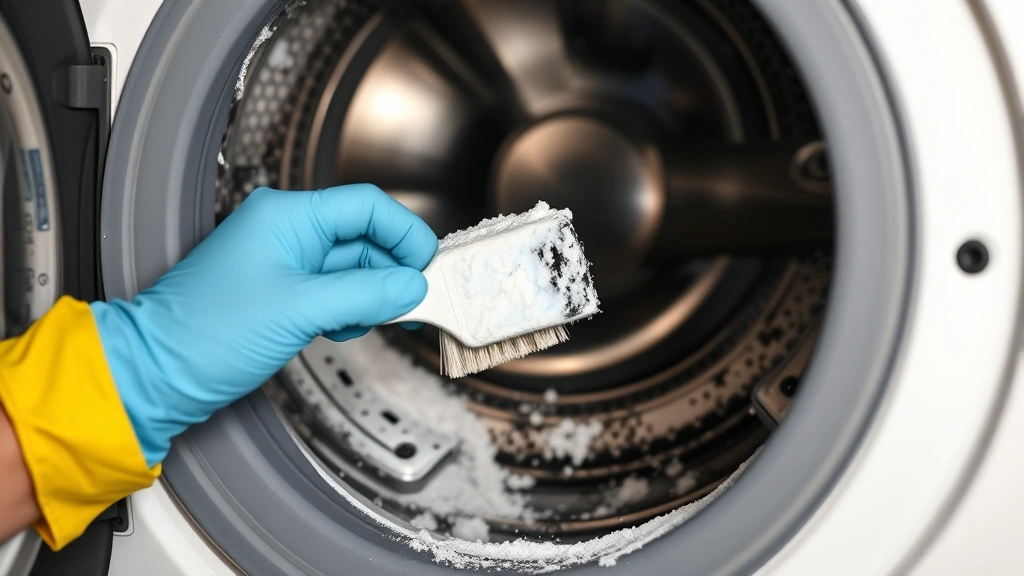
Create a paste by mixing ½ cup baking soda with 3 tablespoons of water. Wearing rubber gloves, apply this paste directly onto the drum walls and bottom. Use your soft-bristled brush to scrub in circular motions, paying special attention to crevices and the area where the drum meets the tub.
For front-load washing machines, tilt the drum slightly to access the bottom. Scrub the rubber seal around the door opening thoroughly—this is where mold loves to hide. Wipe away the paste with a damp cloth and rinse thoroughly.
Run another hot water cycle to flush away all baking soda residue. This ensures no abrasive particles remain that could damage future loads.
Step 4: Clean How to Clean Washing Machine Gaskets and Seals
Rubber gaskets trap moisture and detergent residue, creating perfect conditions for mold growth. Cleaning these seals is essential for preventing odors and maintaining appliance longevity.
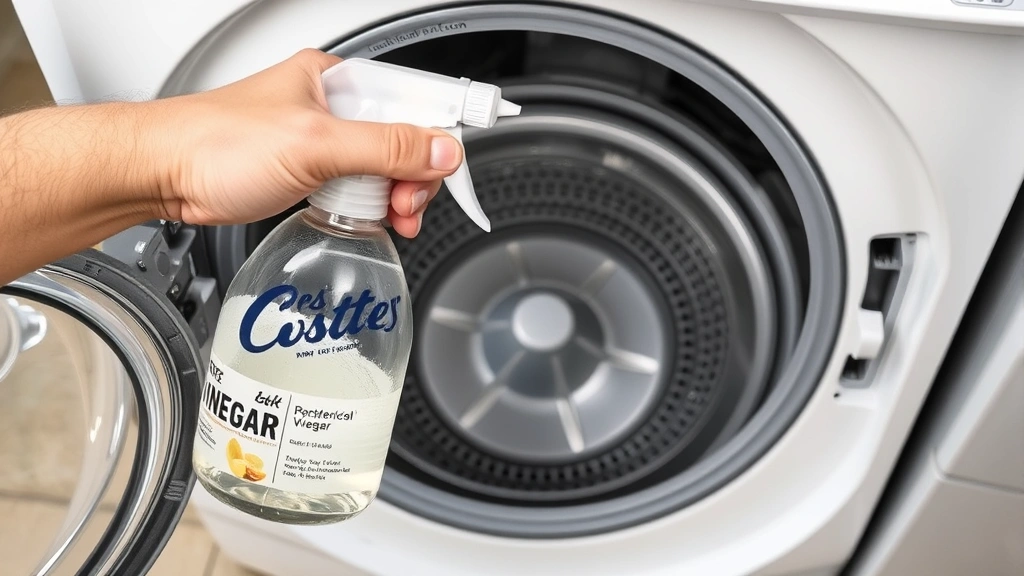
Pull back the rubber gasket gently and inspect the hidden surfaces. You’ll likely find black mold spots or pink bacteria colonies. Fill your spray bottle with a 50/50 vinegar-water solution and spray generously into all crevices.
Let the solution sit for 10 minutes to penetrate and loosen buildup. Use your soft brush or old toothbrush to scrub thoroughly. For stubborn mold, dip the brush in the baking soda paste and scrub more vigorously. Wipe clean with a microfiber cloth, ensuring all vinegar smell dissipates.
Pay special attention to the drain holes along the gasket—use a pipe cleaner to clear any blockages. These small openings are crucial for proper water drainage.
Step 5: Clean the Detergent Dispenser
The detergent dispenser accumulates concentrated soap residue that can harbor bacteria and affect washing performance. This component requires separate attention and cleaning.
Locate your machine’s detergent dispenser drawer. Most washers allow you to remove this drawer completely by pressing a release button or pulling firmly. If your model doesn’t allow removal, you can still clean it in place using a spray bottle and brush.
Soak the dispenser in hot water mixed with vinegar for 15 minutes. Scrub all surfaces, including the small channels and compartments, with your brush. Use a pipe cleaner to clear any clogged openings where detergent accumulates. Rinse thoroughly and dry before reinserting.
While the dispenser is out, wipe the cavity where it sits with a vinegar-soaked cloth. Many people overlook this area, but it collects significant residue over time.
Step 6: Final Rinse and Dry
Complete your washing machine cleaning process with a final rinse cycle to remove all cleaning solutions and residual odors. This ensures your machine is ready for regular use.
Run one more hot water cycle with nothing in the drum. This flushes away any remaining vinegar or baking soda. Some people add a second rinse cycle for extra assurance, especially if they prefer not to smell vinegar during their next laundry load.
Leave the door or lid open for at least 30 minutes to allow complete air drying. This prevents mold regrowth and keeps your machine fresh-smelling. Wipe down the exterior one final time with a dry cloth.
Pro Tips for Appliance Maintenance
- Monthly maintenance: Run a vinegar cycle monthly to prevent heavy buildup and keep your machine operating efficiently.
- Dry between uses: Leave the door open after each use to prevent moisture accumulation and mold growth.
- Use less detergent: Modern detergents are concentrated; using less reduces residue buildup inside your machine.
- Avoid fabric softener: Fabric softener coats machine components and reduces cleaning effectiveness. Experts suggest using vinegar in the rinse cycle instead.
- Clean the filter: Many washing machines have a drain filter that traps lint and debris. Check and clean this monthly.
- Run hot cycles occasionally: Regular use of hot water cycles helps dissolve mineral deposits and prevents odor-causing bacteria.
- Store cleaning supplies nearby: Keep vinegar and baking soda under your sink for quick access when needed.
Common Mistakes to Avoid
Using bleach excessively: While bleach kills mold, it can damage rubber seals and create toxic fumes when mixed with vinegar. Stick with vinegar and baking soda for safer cleaning.
Neglecting the gasket: Many people clean the drum but forget the rubber seal where most mold hides. This leads to persistent odors despite cleaning efforts.
Skipping the rinse cycle: Leaving vinegar residue in your machine can damage certain fabrics and create unpleasant smells. Always run a final rinse cycle.
Using hot water on all machine types: Some older washing machines or delicate components may require warm water instead. Check your manufacturer’s guidelines.
Cleaning too infrequently: Waiting six months between cleanings allows heavy mold and mildew growth. Monthly maintenance prevents these problems.
Frequently Asked Questions
How often should I clean my washing machine?
We recommend cleaning your washing machine monthly for optimal performance. If you notice odors or visible mold sooner, clean immediately. Machines in humid climates may need cleaning more frequently.
Can I use white vinegar safely in my washing machine?
Yes, white vinegar is safe for all washing machine types and won’t damage seals or components. It’s gentler than commercial cleaners and costs significantly less. Always dilute with water for spray applications.
What’s the difference between vinegar and commercial washing machine cleaners?
Both work effectively, but vinegar is more economical and environmentally friendly. Commercial cleaners often contain stronger chemicals and may include additional enzymes. Choose based on your preference and budget.
Why does my washing machine smell even after cleaning?
Persistent odors indicate mold in hard-to-reach areas, insufficient rinsing, or wet clothes left too long in the drum. Ensure you clean the gasket thoroughly and always run a final rinse cycle. Leave the door open between uses.
Is it safe to mix vinegar and baking soda?
Yes, mixing vinegar and baking soda creates a fizzing reaction that helps loosen stubborn buildup. This combination is safe and effective for washing machine cleaning.
Can I use this cleaning method on high-efficiency (HE) washers?
Absolutely. High-efficiency washers benefit from regular cleaning and respond well to vinegar and baking soda. Use the same methods but follow your manufacturer’s specific cycle recommendations.
Final thoughts: Learning how to clean washing machine properly ensures your appliance functions efficiently and your clothes smell fresh. By following these steps monthly, you’ll prevent costly repairs and extend your machine’s lifespan by years. The investment of 30-45 minutes monthly saves money and frustration long-term. Start today and enjoy the benefits of a spotlessly clean washing machine. For additional appliance maintenance guidance, explore our comprehensive home maintenance resources.
External Resources for Further Learning
For manufacturer-specific guidance, consult your washing machine manufacturer’s official documentation. The Consumer Reports appliance care guide provides evidence-based maintenance recommendations. For environmental cleaning alternatives, check EPA guidelines on household cleaning. Your machine’s user manual contains specific instructions for your model. Professional appliance repair services can address mechanical issues beyond cleaning.


