
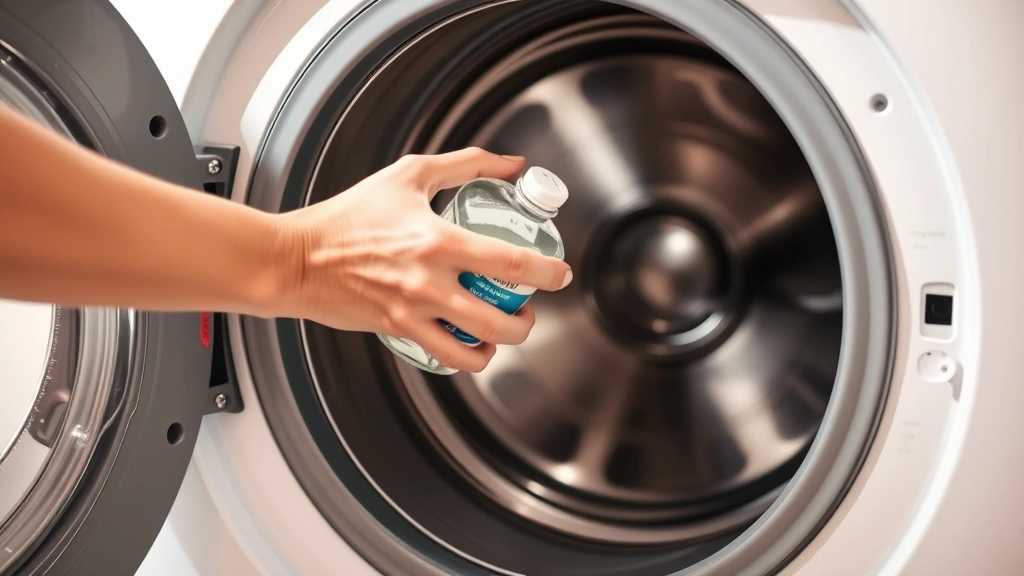
A clean washing machine is essential for fresh-smelling laundry and long appliance life. Learning how to clean a washing machine prevents mold, mildew, and detergent buildup that can affect your clothes and machine performance. Most people neglect this vital maintenance task, but how to clean a washing machine properly takes just 30-45 minutes and requires only common household items. This comprehensive guide walks you through every step to ensure your washing machine stays hygienic and efficient for years to come.
Quick Answer: To clean a washing machine, run a hot water cycle with white vinegar or commercial cleaner, scrub the drum and rubber gasket with a brush, clean the detergent dispenser, and run a final rinse cycle. This process eliminates odors, mold, and residue buildup in approximately 45 minutes, keeping your machine fresh and your clothes cleaner.
What You Will Need
Before starting your washing machine cleaning project, gather these materials and tools:
- White vinegar (2 cups) or commercial washing machine cleaner
- Baking soda (1/2 cup) for stubborn stains
- Soft-bristled brush or old toothbrush for scrubbing
- Microfiber cloth or sponge for wiping
- Rubber gloves to protect your hands
- Empty spray bottle for applying vinegar solution
- Small bowl for mixing solutions
Time estimate: 45-60 minutes total | Difficulty level: Easy | Cost: Under $10 using household items
Step 1: Empty and Inspect Your Washing Machine
Start by removing any clothing or items left inside the drum. This step prevents contamination and allows you to inspect for hidden debris or buildup.
Open the washing machine door fully and look inside the rubber gasket (the seal around the door) for visible mold, mildew, or trapped lint. Check behind the rubber seal by gently pulling it back—this area commonly traps moisture and debris. Note any strong odors, discoloration, or sticky residue on the drum walls. If you notice significant mold growth, plan to spend extra time on the gasket cleaning step. Leave the door open to air dry for 15 minutes before proceeding.
Step 2: Run a Vinegar Cleaning Cycle for Machine Maintenance
Running a vinegar cycle is the most effective way to clean a washing machine’s interior. This step dissolves detergent residue and kills odor-causing bacteria naturally.
Pour 2 cups of white vinegar directly into the drum of your empty washing machine. Select the hottest water setting available on your machine—typically the sanitize or steam cycle if your model offers it. Run a full wash cycle without any clothes inside. The hot water and vinegar combination will circulate through the entire system, cleaning internal components you cannot reach manually. For front-load machines, you can also pour vinegar into the detergent dispenser to clean that compartment simultaneously.
If your washing machine has a self-clean function, you may use that instead of the vinegar cycle. Check your manufacturer’s manual for specific self-clean instructions. Commercial washing machine cleaners (like Affresh or Tide Washing Machine Cleaner) work similarly to vinegar—follow package directions for dosage and cycle selection.
Step 3: Scrub the Drum and Interior Surfaces
After the vinegar cycle completes, your washing machine drum is ready for manual scrubbing to remove stubborn buildup and visible residue.
Put on rubber gloves and fill your spray bottle with a 1:1 solution of white vinegar and water. Spray this mixture directly onto the drum walls, paying special attention to corners and seams where debris accumulates. Using your soft-bristled brush, scrub the entire interior surface in circular motions. Focus on areas where you noticed discoloration or buildup during the inspection step.
For stubborn stains, make a paste using baking soda and water (3 parts baking soda to 1 part water). Apply this paste to problem areas and let it sit for 5-10 minutes before scrubbing. The combination of baking soda’s mild abrasive properties and vinegar’s acidic nature breaks down mineral deposits and soap scum effectively. Wipe away residue with a damp microfiber cloth, rinsing thoroughly until no vinegar smell remains.
Step 4: Clean the Rubber Gasket Thoroughly
The rubber gasket seal is where mold and mildew thrive most frequently. This step requires careful attention to eliminate hidden growth and prevent future problems.
Gently pull back the rubber gasket seal around the door opening. You’ll likely find trapped lint, hair, and moisture in the crevices. Use your soft-bristled brush dipped in the vinegar solution to scrub all surfaces of the gasket, including the underside and creases. Pay particular attention to the bottom section of the seal where water pools.
For heavy mold or mildew buildup, apply your baking soda paste and let it sit for 10-15 minutes. This extra soaking time allows the alkaline baking soda to break down mold more effectively. Scrub vigorously but carefully to avoid tearing the rubber. Wipe everything clean with a damp cloth, then dry the gasket thoroughly with a towel. Any remaining moisture can encourage future mold growth, so ensure the seal is completely dry before closing the door.
Step 5: Clean the Detergent Dispenser and Compartments
The detergent dispenser drawer accumulates dried detergent, fabric softener residue, and mold that affects cleaning performance and water flow.
Remove the detergent dispenser drawer by pressing the release button or tab (location varies by model—check your manual if unsure). Soak the drawer in a bathtub or large sink filled with hot water and 1 cup of white vinegar for 15-20 minutes. This soaking loosens hardened detergent and kills mold spores. After soaking, scrub the drawer with your brush, paying attention to corners and crevices where residue hides.
While the drawer soaks, clean the dispenser cavity inside the machine. Use your brush dipped in vinegar solution to scrub the opening where the drawer slides in. Many people miss this interior area, but it’s crucial for preventing water flow problems. Rinse both the drawer and cavity thoroughly under running water. Dry completely before reinserting the drawer to prevent moisture-related issues.
Step 6: Run a Final Rinse Cycle to Complete Cleaning
A final rinse cycle removes all vinegar, baking soda residue, and loosened debris from your clean washing machine.
Close the washing machine door and run one more hot water cycle with no clothes or cleaning agents inside. This flushes the system completely and ensures no vinegar smell lingers. Some experts recommend running two rinse cycles for front-load machines to thoroughly clear all detergent and vinegar from internal components.
After the final cycle completes, leave the door open for at least 30 minutes to allow air circulation. This drying step is crucial for preventing mold regrowth. For front-load machines, leave the door open permanently between washes when possible—this single habit prevents 80% of mold and odor problems.
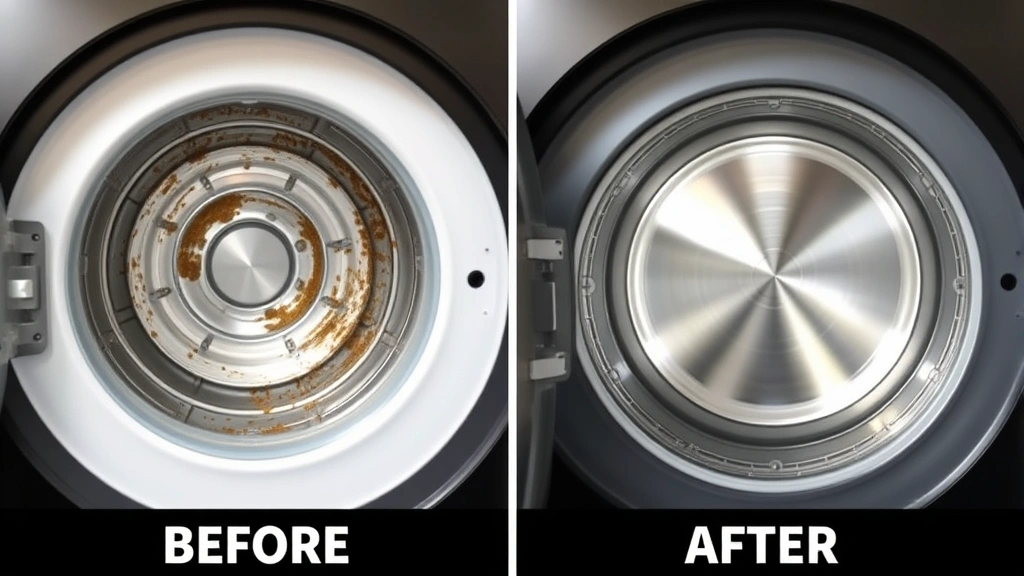
Pro Tips for Washing Machine Maintenance
- Monthly maintenance: Run a vinegar cycle monthly to prevent buildup. This proactive approach eliminates the need for deep cleaning as frequently.
- Use less detergent: Most people use 2-3 times more detergent than necessary. Excess detergent creates residue that harbors bacteria and causes odors.
- Leave the door open: After each wash, prop the door open for 15-30 minutes. This simple step reduces moisture and prevents mold formation significantly.
- Clean the filter: If your machine has a drain filter (common in front-loaders), clean it every 1-2 months. Consult your manual for location and removal instructions.
- Wipe the gasket weekly: Spend 2 minutes after each load wiping the rubber seal dry with a cloth. This prevents moisture accumulation and extends gasket life.
- Use the right cycle: For heavily soiled clothes, use the heavy-duty cycle rather than normal. Appropriate cycle selection reduces detergent buildup.
Common Mistakes to Avoid
Using bleach instead of vinegar: Bleach can damage rubber seals and internal components. Stick with white vinegar, baking soda, or commercial washing machine cleaners designed for this purpose.
Neglecting the gasket: The rubber seal requires regular attention. Skipping gasket cleaning leads to persistent mold problems that spread to your clothes.
Closing the door immediately after washing: Trapping moisture inside encourages mold growth. Always leave the door open for adequate drying time.
Forgetting the detergent dispenser: This hidden area accumulates the most residue. Skipping this step means your machine isn’t truly clean.
Using too much vinegar: While vinegar is effective, using more than 2 cups can leave a lingering smell. Stick to recommended amounts and run adequate rinse cycles.
Ignoring manufacturer guidelines: Some machines have specific cleaning requirements. Check your manual before using vinegar or commercial cleaners.
Frequently Asked Questions
How often should I clean my washing machine?
We recommend running a vinegar cleaning cycle monthly for regular maintenance. If you notice odors or visible buildup, clean immediately. Deep cleaning every 3-6 months keeps your machine in optimal condition, depending on water hardness and detergent usage.
Can I use bleach to clean my washing machine?
No, avoid bleach for washing machine cleaning. Bleach damages rubber seals, gaskets, and internal components. White vinegar, baking soda, and commercial washing machine cleaners are safer, more effective alternatives that won’t harm your machine.
What causes washing machine odors?
Odors result from mold, mildew, and bacteria growth in damp environments. Trapped moisture in the gasket, detergent residue, and closed doors between washes create ideal conditions for odor-causing microorganisms. Regular cleaning and air circulation eliminate these problems.
Is vinegar safe for all washing machine types?
Yes, white vinegar is safe for both top-load and front-load machines. However, check your manual if your machine has a stainless steel interior with special coatings. For high-efficiency (HE) machines, use the recommended amount (typically 2 cups) to avoid excess suds.
How do I prevent mold in my washing machine?
Prevention involves three key practices: leave the door open between washes, wipe the gasket dry after each load, and use the correct detergent amount. Monthly vinegar cycles and weekly gasket wiping provide additional protection against mold formation.
Can I use other cleaning solutions besides vinegar?
Yes, alternatives include commercial washing machine cleaners like Affresh, Tide Washing Machine Cleaner, or Clorox Washing Machine Cleaner. These products are specifically formulated for machine cleaning. Baking soda mixed with water also works effectively for scrubbing. Always follow product instructions for best results.
Additional Resources for Washing Machine Care
For comprehensive washing machine maintenance guidance, consult Consumer Reports’ washing machine cleaning guide, which provides expert recommendations. Apartment Therapy’s washing machine cleaning instructions offer practical tips for busy households. The Spruce’s washing machine maintenance tips cover long-term care strategies. Good Housekeeping’s best ways to clean a washing machine provide tested methods. For related appliance care, Better Homes & Gardens’ guide to removing mold and mildew from washing machines addresses stubborn growth issues specifically.
Now that you understand how to clean a washing machine properly, implement this routine monthly for optimal appliance performance. Your clothes will smell fresher, your machine will last longer, and you’ll prevent costly repairs. The 45-minute investment in learning how to clean a washing machine saves time, money, and frustration over your appliance’s lifetime.